
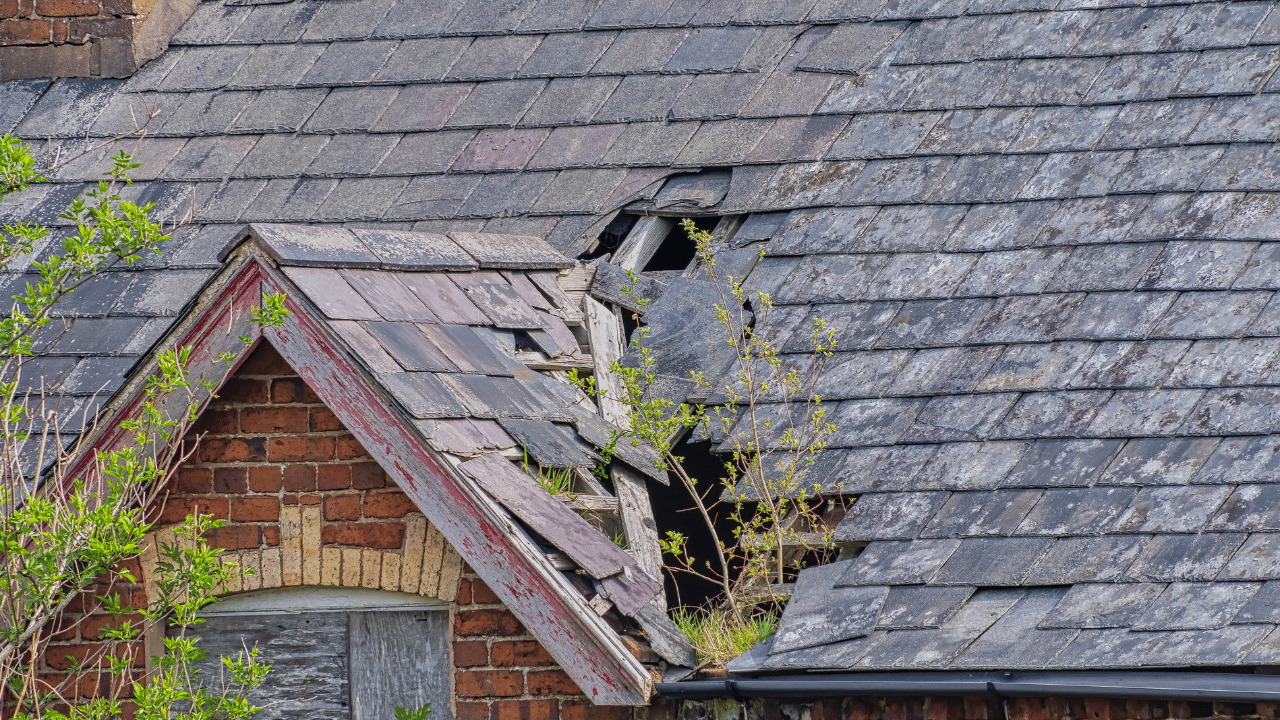
Why spotting storm damage early matters
A battered roof after a storm can be like a bruise beneath your skin: not always obvious at first, but risky if ignored. In the UK, our weather swings from blustery gales to sudden downpours, hail and snow — and roofs take the brunt. Spotting storm damage early saves you money, prevents damp and mould, and keeps your home warm and secure. Let’s walk the tiles together and learn the seven key signs that your roof needs attention.
How storms damage roofs: a quick explainer
Wind — the invisible battering ram
Strong winds can lift, loosen or dislodge roof tiles, ridge tiles and lead flashings. Over time, repeated gusts weaken fixings and allow rain to be driven beneath the roof covering.
Hail — small missiles, big problems
Hailstones can crack, chip or break roof tiles and dent leadwork or guttering, creating hidden entry points for water.
Rain, snow and ice — the slow eroders
Prolonged rainfall penetrates weak points, while freezing conditions force water under tiles as ice expands, leading to damp, rot and insulation damage.
Debris and falling objects — the unexpected culprits
Falling branches, chimney pots and loose debris can strike tiled roofs during storms, causing sudden but localised damage.
Sign 1: Missing, slipped or lifted roof tiles
What to look for
Visible gaps, exposed underfelt, or tiles that appear uneven or out of line are clear warning signs. Tiles may have slipped downwards or lifted at the edges.
Why it’s a problem
Missing or loose tiles expose the underfelt and battens, allowing water and wind to penetrate. Left untreated, this can rot timbers and weaken the roof structure.
Temporary fixes before calling a roofer
A slipped tile may be temporarily repositioned if safe, but proper fixing or replacement by a professional is essential to prevent repeat damage.
Sign 2: Cracked, chipped or broken roof tiles
How storm impact shows up
Look for cracked tiles, broken corners or fragments on the ground. Even small cracks can widen over time, especially after repeated freeze-thaw cycles.
Why damaged tiles shouldn’t be ignored
Cracked tiles allow moisture through to the layers beneath, leading to damp insulation and timber decay.
Sign 3: Roofing debris and underfelt exposure
What you might find
After a storm, broken tile pieces and general debris often collect in gutters and roof valleys.
Why this matters
Debris indicates impact damage above, while exposed underfelt means the roof is no longer fully weatherproof.
Sign 4: Damp patches, water stains or mould inside
Loft and roof space checks
Check for dark patches on timbers, damp insulation or water marks on the underside of the felt.
Internal warning signs
Brown ceiling stains, peeling paint or bubbling plaster indicate water ingress — often more severe than the external damage suggests.
Sign 5: Damaged lead flashings and seals
Where flashings are located
Lead flashings sit around chimneys, valleys, roof junctions, dormers and roof windows.
Why small gaps cause big problems
A split or lifted flashing allows water to track unnoticed along timbers, leading to rot, mould and costly repairs.
Sign 6: Blocked or damaged guttering
How gutters affect your roof
Blocked gutters cause water to overflow beneath roof edges, soaking fascia boards and roof timbers.
What else to inspect
Ensure downpipes are clear and soffits show no black staining or soft patches — signs of prolonged damp exposure.
Sign 7: Sagging roofline or uneven tile levels
What sagging looks like
A dipping roofline, uneven tile rows or a bowed ridge line may indicate underlying structural stress.
When to act immediately
Sagging suggests damage to roof timbers or supports and should be assessed by a professional roofer without delay.
When to call a professional — safety and insurance tips
If you notice active leaks, structural movement, or extensive tile damage, professional help is essential. Working at height is dangerous and can cause further damage if done incorrectly.
Documenting damage for insurance
Take dated photographs, keep repair receipts and note storm details. Prompt reporting helps speed up insurance claims.
Choosing a reputable UK roofer
Look for local roofers with public liability insurance, written guarantees and clear quotations. Always compare at least two quotes.
Temporary vs permanent repairs
Temporary fixes can prevent immediate leaks, but insist on a permanent repair plan and timeframe.
Preventive steps to reduce future storm damage
Regular inspections
Inspect your tiled roof twice a year and after major storms.
Tree and property maintenance
Trim overhanging branches and keep gutters clear to reduce impact damage and water build-up.
Improving storm resilience
Use properly fixed tiles, quality breathable membranes and well-installed leadwork to improve resistance to wind and heavy rain.
Cost considerations — typical UK repair ranges
- Minor repairs (replacing a few tiles, refixing lead): a few hundred pounds
- Moderate repairs (larger tile areas, new guttering): hundreds to a couple of thousand pounds
- Major repairs (structural timber work or reroofing): several thousand pounds
Always obtain written quotes and confirm what your insurance policy covers.
Conclusion
Storms are unavoidable in the UK, but serious roof damage doesn’t have to be. By recognising the seven warning signs — slipped tiles, cracked tiles, internal damp, damaged leadwork, blocked gutters and sagging rooflines — you can act early and avoid costly repairs. Regular inspections, sensible maintenance and timely professional help keep your tiled roof protecting your home for years to come.
Frequently Asked Questions (FAQs)
Q1: How soon after a storm should I inspect my roof?
Within 24–72 hours if safe. Otherwise inspect from ground level or call a professional roofer.
Q2: Can storm damage to roof tiles be claimed on insurance?
Often yes, if the damage is sudden and storm-related. Always check your policy terms.
Q3: Is it safe to walk on a tiled roof?
Generally no. Tiles can be slippery and fragile. Ground inspection or professional assessment is safer.
Q4: Will replacing a few tiles solve the problem?
It can, provided the underfelt and roof structure are intact. A professional inspection ensures no hidden damage remains.