Project
Conservatory Roof Leak Repair
A verified customer review records a long-standing conservatory roof leak, agreed scaffold access, neat completion and prompt scaffold removal.
Find the cause first
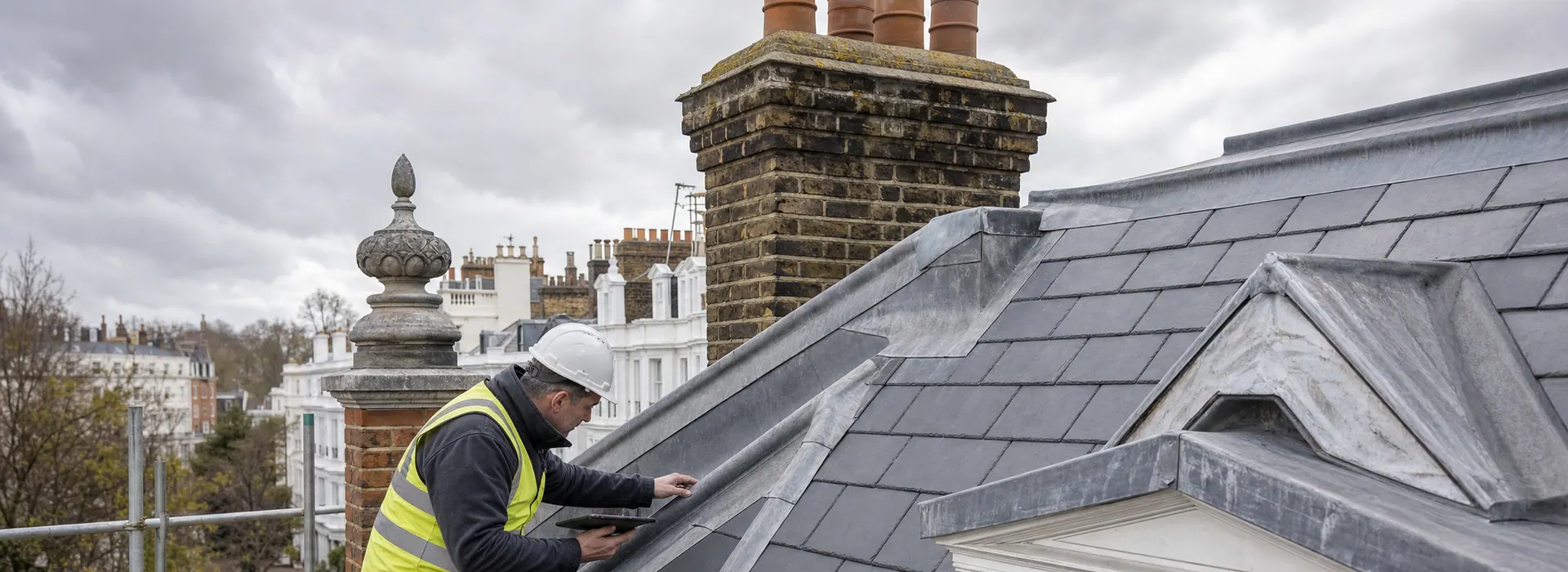
Water can travel along underlays, timbers, masonry and service routes before it appears inside. A ceiling stain near a chimney may begin at an abutment, a valley higher up the slope, a damaged covering or a drainage detail. The useful starting point is therefore the pattern of ingress and the connected roof construction.
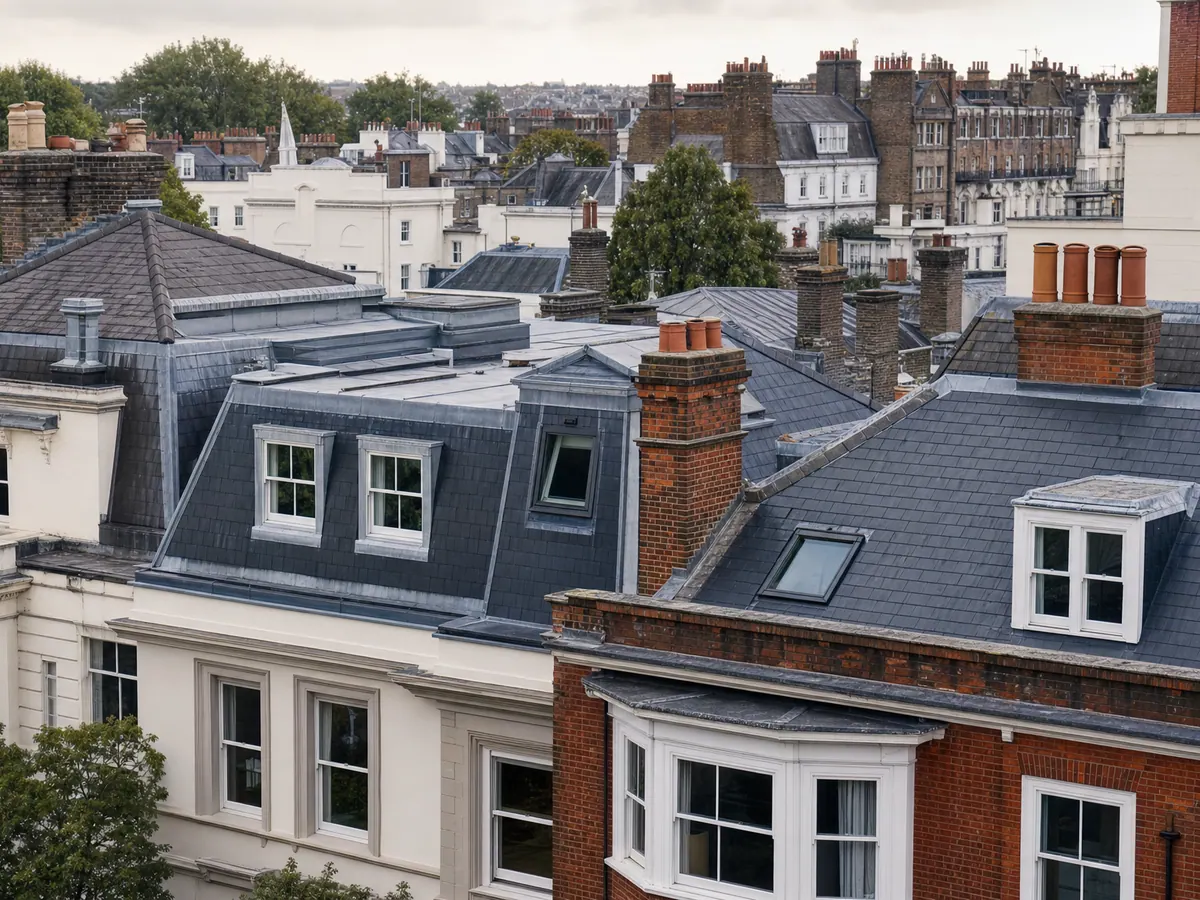
ER Group London undertakes residential roof repairs to slate and tile coverings, ridges, verges, valleys, flashings, parapets, rooflights, gutters and other weathering junctions. The surrounding condition is considered so that a focused repair is used where it remains proportionate.
Where defects are widespread, several connected details have deteriorated or repeated patch repairs are no longer holding, the more reliable recommendation may be planned refurbishment rather than another isolated repair.
That decision should follow condition and evidence, not an assumption that every leak needs a new roof.
Typical repair enquiries
These are common repair situations. The repair method depends on how the defect relates to the surrounding coverings, junctions, drainage and previous work.
Leaks that appear during prolonged or wind-driven rain can originate at coverings, junctions or drainage details some distance from the internal symptom.
Local covering defects can often be repaired where neighbouring materials, fixings and the wider roof area remain serviceable.
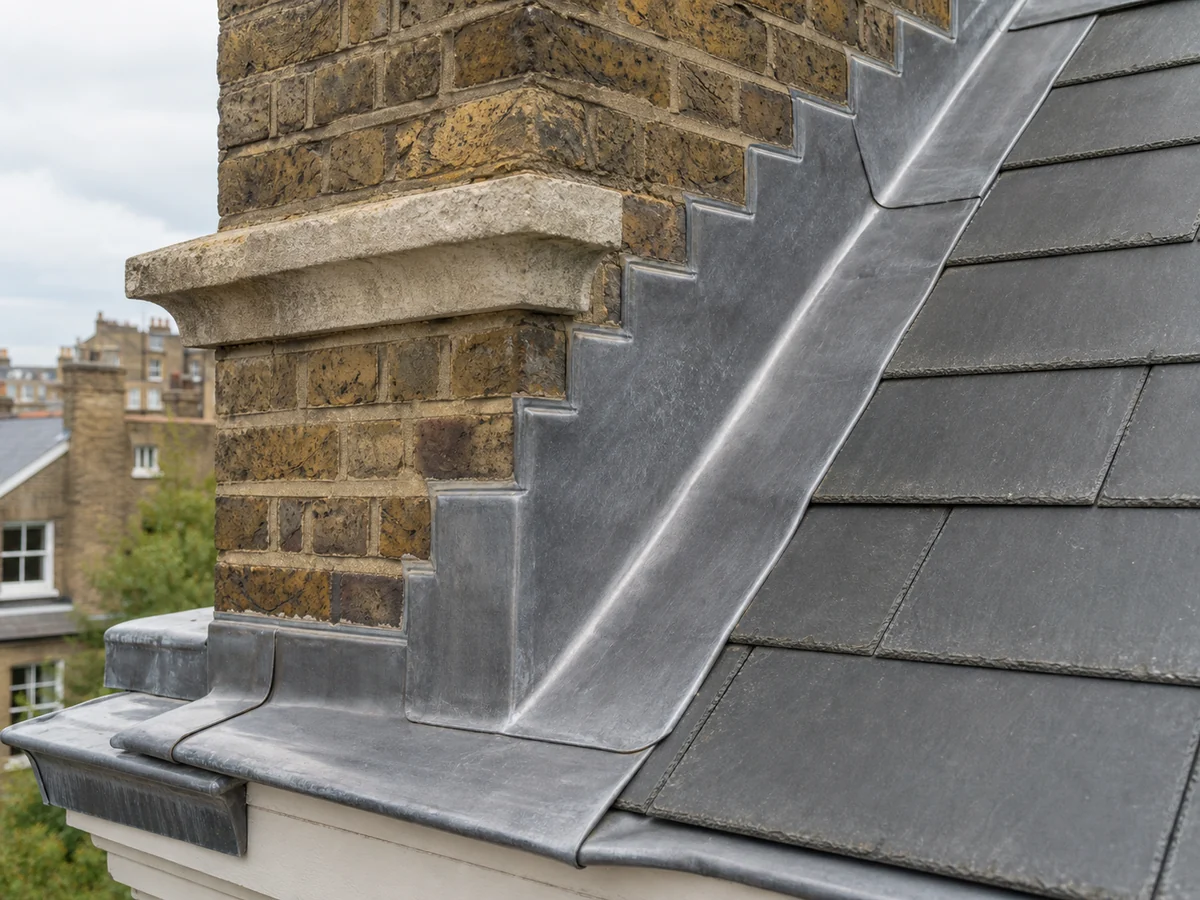
Flashings, valleys, gutters, parapets and abutments should be assessed as complete weathering details rather than sealed only at the most visible split.
Ingress can occur at upstands, corners, flashings or adjoining coverings rather than through the rooflight or penetration itself.
Debris, movement, damaged linings, weak falls or restricted outlets can allow water to back up or leave the intended drainage route.
Repeated patching can obscure the original defect and make it more important to reassess the surrounding construction before adding another repair.
Defect investigation
A useful repair scope should explain what was observed, what could not be confirmed and why the proposed work addresses the likely source of the problem.
Useful evidence includes when the leak appears, the direction and duration of rain, whether staining moves or grows and what repairs have already been attempted. Internal observations are considered with the roof covering, leadwork, drainage and nearby junctions.
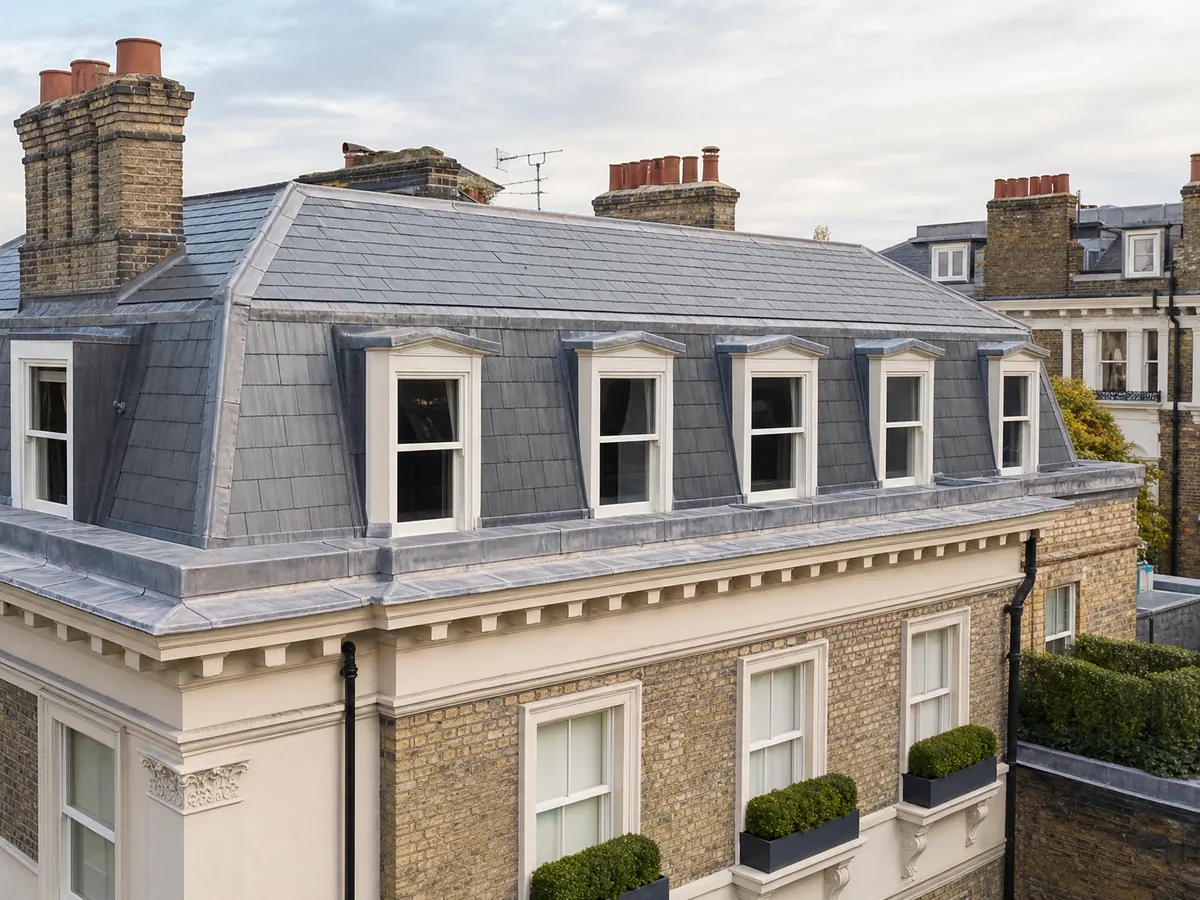
Individual slipped, cracked or missing coverings may be replaced or re-secured where the evidence supports a focused repair. The assessment should also consider why the local failure occurred and whether nearby fixings or materials show the same deterioration.


A durable repair can require more than sealing the visible split. Support, laps, movement, surrounding masonry and the relationship with the main roof covering should be considered before the weathering detail is repaired or renewed.
Restricted outlets, weak falls, vulnerable upstands or failed transitions can allow water to pond or track into adjoining construction. Repairing the visible covering alone may not resolve the defect if the drainage route or geometry remains unchanged.
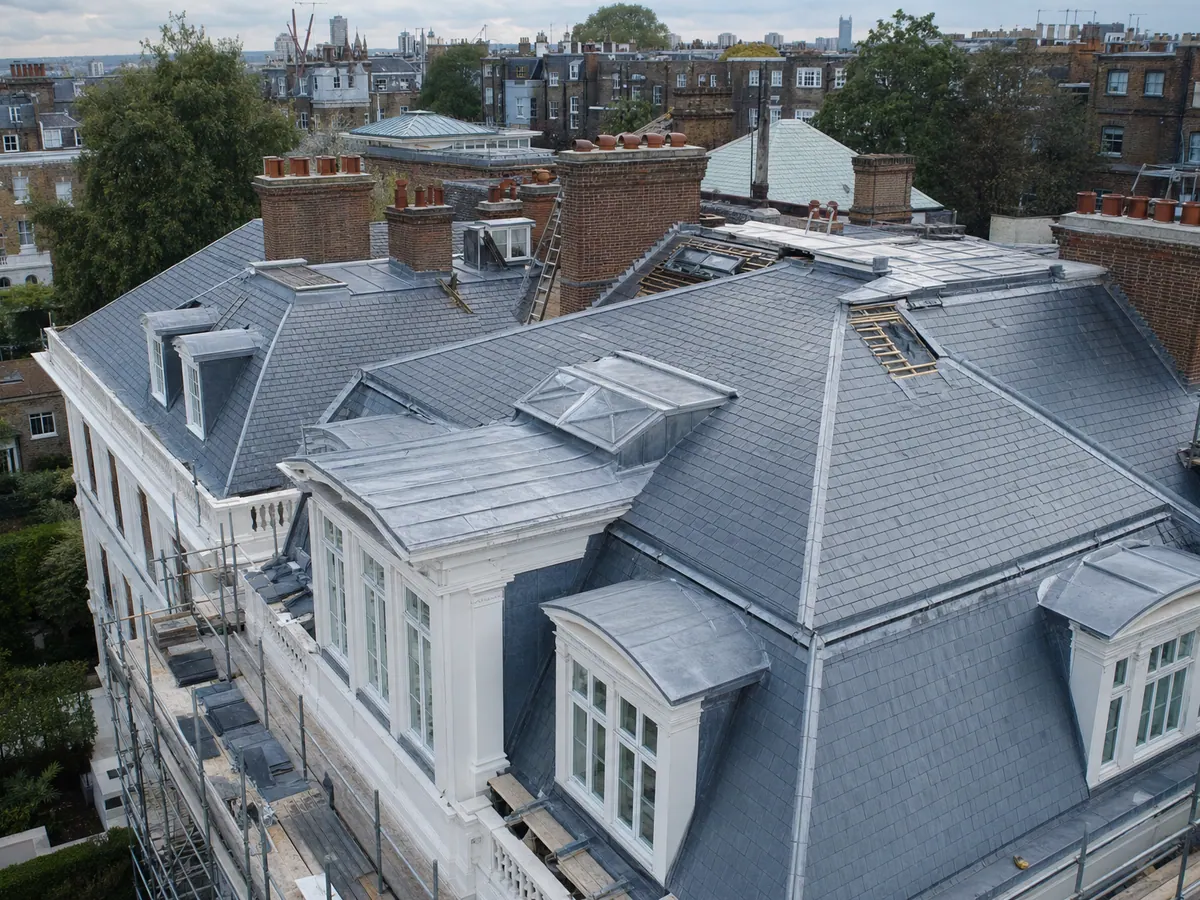
Repair or wider renewal
A focused repair is useful only while the condition around it still supports a local solution.
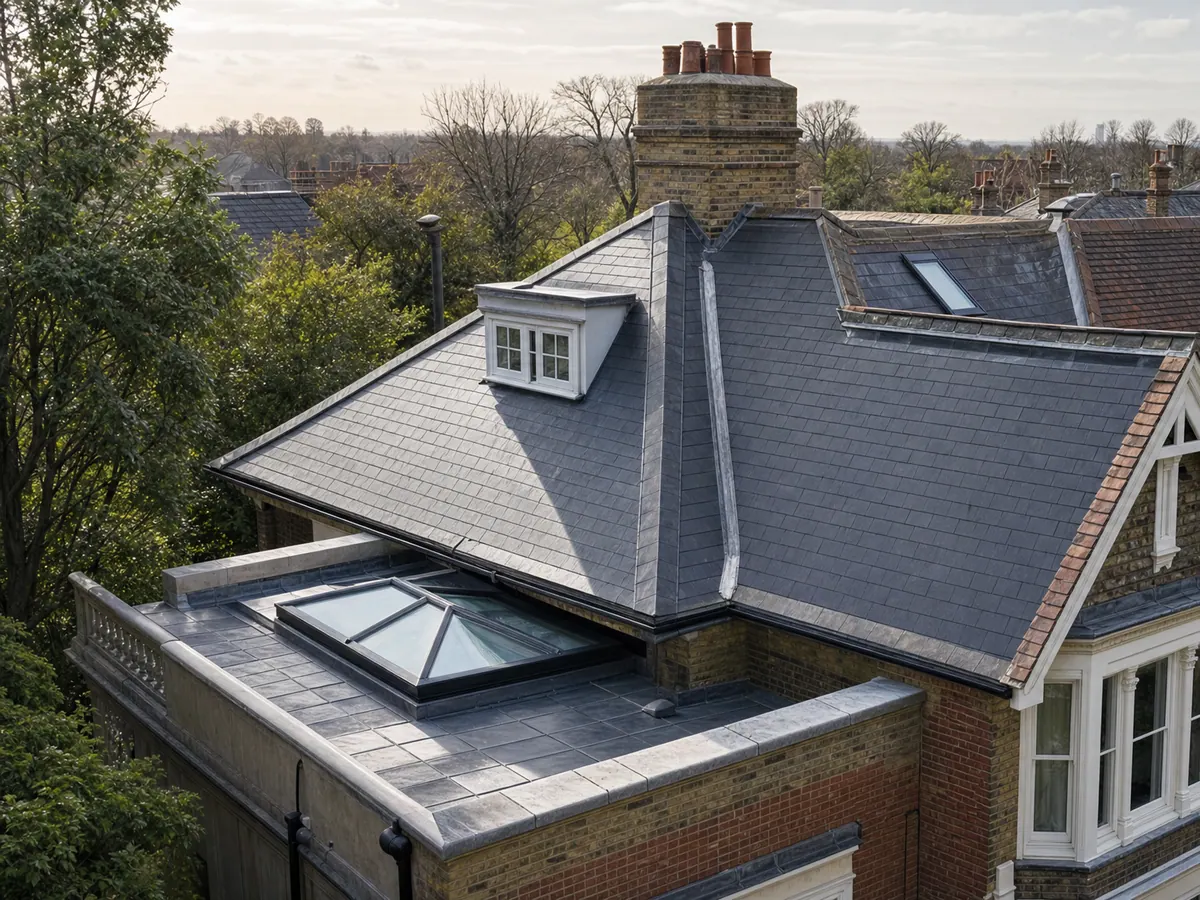
A targeted repair is appropriate when the defect can be identified and the surrounding roof remains serviceable. The repaired area and the limits of the inspection should remain clear so unrelated roof sections are not implied to have been renewed.
Where coverings are brittle or widely loose, fixings are failing across a slope, several junctions have reached a similar condition or previous patches repeatedly fail, planned refurbishment can be more coherent than continuing isolated repairs.
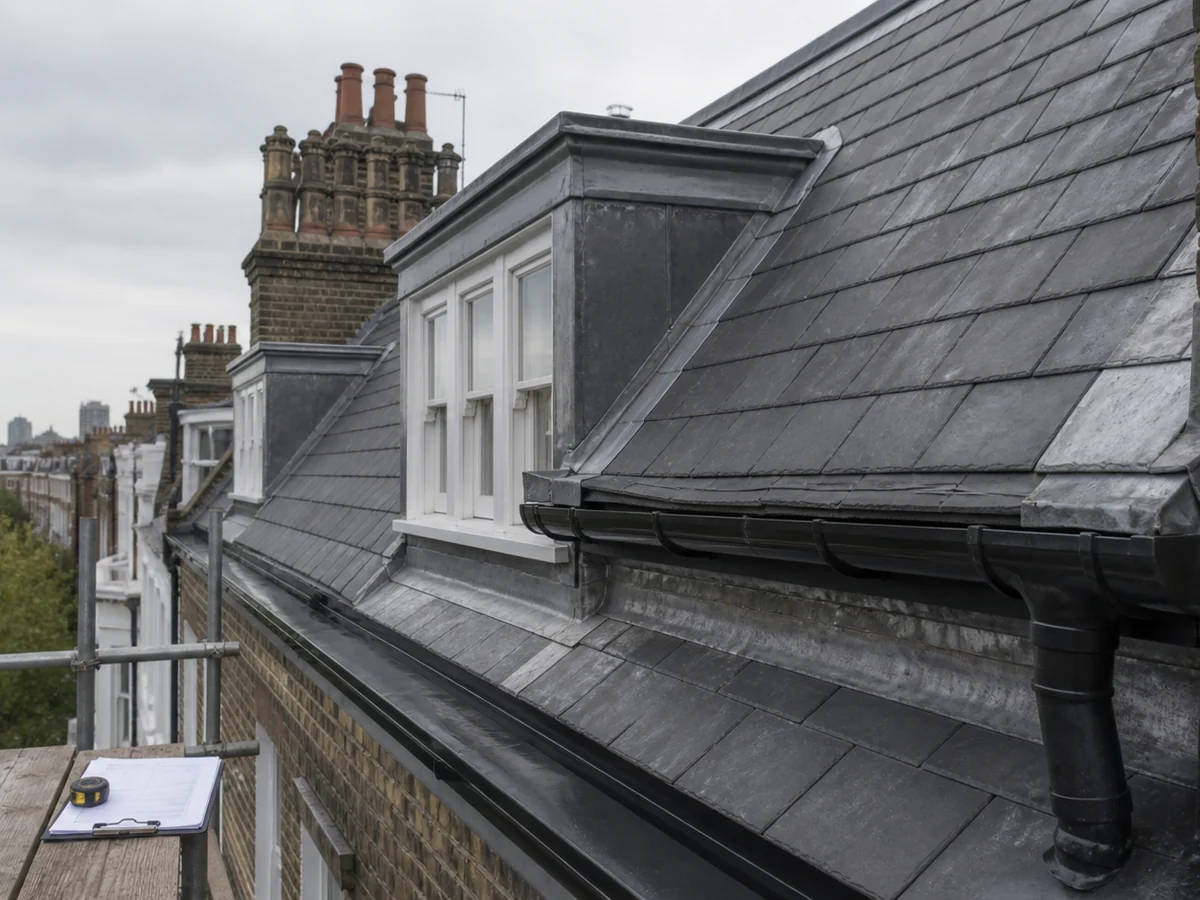
Property protection
Access, weather exposure and protection should be considered before a roof is opened or a repair detail is disturbed.
The access method should suit the height, roof form, fragility and position of the suspected defect.
Opening-up and incomplete repairs need a realistic plan for rain, wind and the existing vulnerability of the roof.
Roof spaces, ceilings, finished rooms, gardens and external surfaces are considered where the investigation or repair could affect them.
A local repair should not be presented as renewal or a condition guarantee for unrelated parts of the roof.
Concealed construction, earlier patches and water paths may only become clear once safe access or opening-up is possible.
Observed conditions, repair limits and any change in recommendation should be explained clearly before further work proceeds.
Project
A verified customer review records a long-standing conservatory roof leak, agreed scaffold access, neat completion and prompt scaffold removal.

Project
A documented emergency roof project where the failed asphalt roof was replaced with an insulated EPDM system.
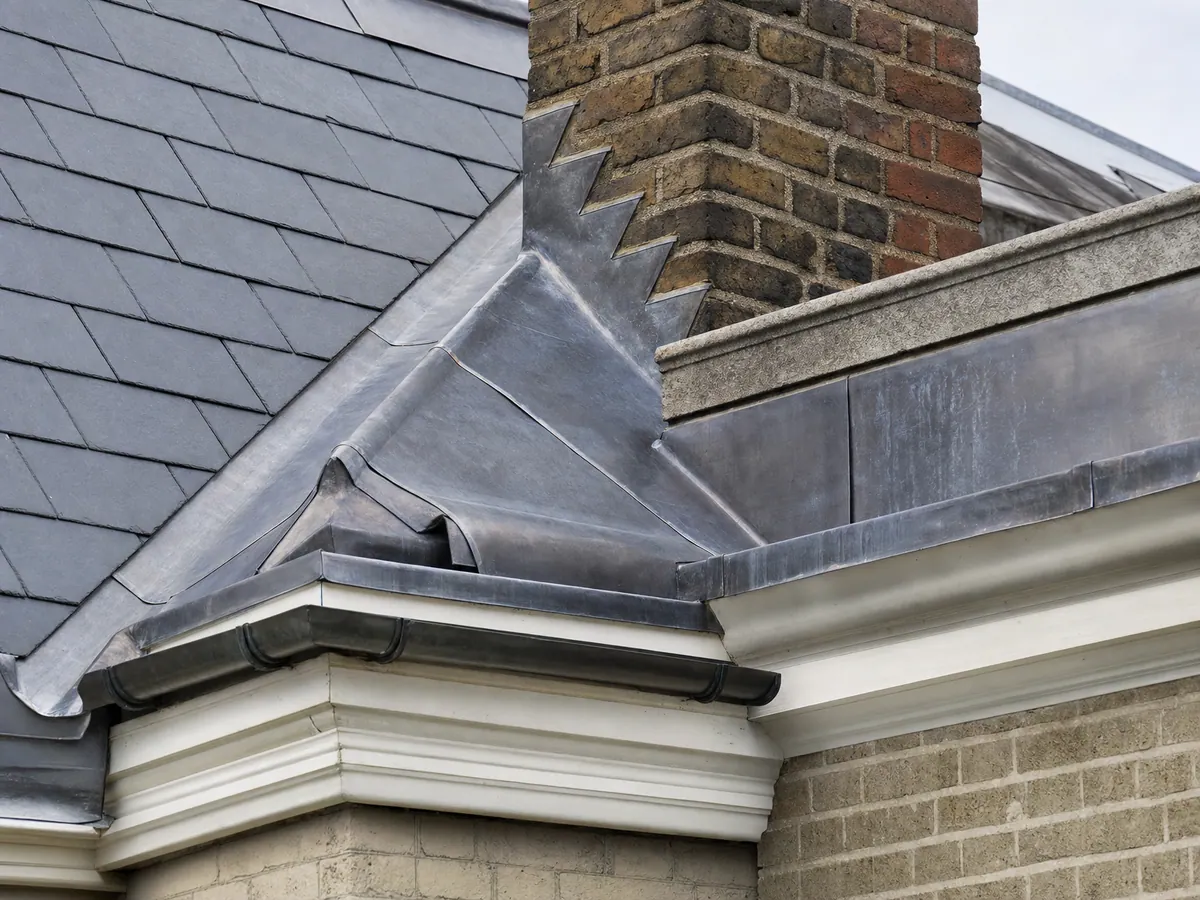
Completed work
See completed roofing and refurbishment projects showing the original problem, the agreed scope and the work carried out.
Roof Repair FAQs
Roof repair enquiry
Send the property address, photographs where safe, the location and timing of the leak or defect, and any previous repair or survey information already available.