Why Your Roof Matters More Than You Think
Let’s be honest — most of us don’t spend much time thinking about our roofs. It’s up there, doing its job quietly, and we only really notice it when something goes wrong. A persistent drip in the ceiling. A damp patch on the bedroom wall. Suddenly, the roof becomes the most important thing in the world.
But here’s the thing: your roof deserves far more attention than it typically gets. It’s not just a lid on your house. It’s one of the most structurally significant, aesthetically impactful, and financially important elements of your entire property. Get it right, and you’ll enjoy comfort, energy savings, and a home that looks brilliant for decades. Get it wrong, and you’re looking at costly repairs, heat loss, and a dented resale value.
So whether you’re building from scratch, replacing an ageing roof, or planning a loft conversion, this guide is for you.
It’s Not Just About Keeping the Rain Out
Think of your roof as the outermost layer of your home’s immune system. It defends against rain, wind, UV rays, frost, and even noise. A well-designed roof with quality materials doesn’t just repel water — it insulates your home, regulates temperature, and contributes massively to your energy efficiency.
In the UK, where the weather can swing from bright sunshine to horizontal sleet in the same afternoon, having a roof that performs across all conditions isn’t a luxury. It’s an absolute necessity.
The Link Between Roofing and Property Value
Here’s a statistic that should grab your attention: according to industry estimates, a new or well-maintained roof can add anywhere between 5% and 15% to the value of a UK property. That’s not small change. Buyers and valuers look at the roof as a signal of how well a property has been maintained overall. A saggy, mossy, or visibly damaged roof sets alarm bells ringing before anyone even steps through the front door.
Understanding the Most Common Roof Designs
Before you start picking materials or calling in quotes, you need to understand the structural shape of your roof. The design dictates everything from drainage to insulation to the kind of tiles you can use. Let’s walk through the main options.
Flat Roofs – The Modern Marvel
Flat roofs have had a bit of a rough reputation in the UK — mostly thanks to poorly installed versions from the 1960s and 70s that leaked like sieves. But modern flat roofing is an entirely different beast. With today’s materials and installation methods, flat roofs are durable, contemporary, and incredibly versatile.
They’re particularly popular on extensions, garage roofs, and commercial buildings. Better yet, they open up a world of possibilities: fancy a rooftop terrace? A green sedum roof? Solar panels? A flat roof is your blank canvas.
Gable Roofs – A Classic for a Reason
Walk down virtually any residential street in England and you’ll see gable roofs dominating the skyline. Two sloping sides meeting at a central ridge — simple, effective, and affordable. The classic design allows water to run off easily, and the triangular end walls (the gables) can be left exposed or used creatively.
They’re a solid choice for most standard homes. Straightforward to build, easy to maintain, and highly compatible with a wide range of materials from slate to clay tile.
Hip and Pyramid Hip Roofs – Built for Durability
Hip roofs slope on all four sides, giving them a distinctive, robust look. They’re particularly well-suited to properties in exposed locations, as the absence of vertical gable walls means there’s less surface for wind to catch. The pyramid hip roof takes this one step further with a neat, symmetrical peak — elegant and enduring.
One added bonus? The overhanging eaves provide shade and weather protection to the walls below, which can reduce maintenance costs over time.
Shed (Skillion) Roofs – Sleek and Solar-Friendly
Also called mono-pitch roofs, shed roofs consist of a single sloping plane. They’re a firm favourite in contemporary architecture — you’ll see them on new-build extensions and barn conversions across the UK. Their clean lines give any building a modern edge, and because one side of the roof faces the sky at an angle, they’re ideal for solar panel installation.
If you’re chasing a minimalist aesthetic or planning to go green with renewables, this design deserves serious consideration.
Curved Roofs – Where Aesthetics Meet Function
Curved roofs are the show-offs of the roofing world — and rightly so. Whether sweeping gently or dramatically arched, they create a striking visual statement. But it’s not all about looks. Curved designs are aerodynamically efficient, shedding wind more effectively than flat or angular alternatives. They also perform well in reducing indoor temperature, making them a surprisingly practical choice in warmer climates or sun-facing orientations.
Choosing the Right Roofing Material
Once you’ve settled on a design, the next big decision is material. This is where things get really interesting — and where the long-term investment really starts to take shape.
Slate – The British Favourite
If you want a material that practically oozes history and quality, slate is your answer. It’s been used on British rooftops for centuries — and there’s a very good reason it’s stuck around. Natural slate is extraordinarily durable, with a lifespan of 50 to 125 years when properly installed. It’s also recyclable, breathable, and beautifully timeless in appearance.
Welsh slate, in particular, is considered among the finest in the world. Yes, it costs more upfront — but divide that cost over a century of use and suddenly it starts looking like extraordinary value.
Clay and Concrete Tiles – Timeless Charm
Clay tiles are the quintessential roofing material for period and traditional homes across England. Their warm terracotta tones age gracefully, and they last between 40 and 100 years depending on quality and climate. Concrete tiles are the budget-friendlier alternative — heavier than clay but still durable, coming in a wide range of profiles and colours.
Both materials require solid roof structures to bear the weight, so always consult a structural engineer if you’re retrofitting these onto an older building.
Metal Roofing – Longevity in a Sheet
Metal roofing — whether zinc, aluminium, steel, or copper — is having a major moment in UK architecture. And it’s not hard to see why. Metal roofs can last 40 to 100 years, are lightweight relative to their strength, and are almost entirely recyclable at end of life.
Copper is the rockstar of the metal roofing world. It starts out a warm, shiny bronze and slowly develops a distinctive patina — that pale blue-green colour you see on old churches and civic buildings. It’s one of the longest-lasting roofing materials on earth, and it looks absolutely stunning as it ages.
EPDM Rubber – The Flat Roof’s Best Friend
If you’ve got a flat roof, EPDM (Ethylene Propylene Diene Monomer) is almost certainly going to come up in conversation. It’s a synthetic rubber membrane that’s applied seamlessly across a flat roof surface, creating a completely waterproof barrier. It’s flexible, UV-resistant, and performs brilliantly in both hot and freezing temperatures.
EPDM roofs typically last 22 to 35 years and require minimal maintenance. They’re also relatively affordable compared to other flat roof systems, making them an excellent value proposition.
Wood Shake – For the Eco-Conscious Homeowner
Wood shake roofing — made from split cedar or pine — brings a rustic, organic warmth that no manufactured material can replicate. It’s particularly popular on rural properties, lodges, and eco-builds. Cedar naturally repels insects, resists decay, and provides excellent natural insulation.
A good wood shake roof lasts 20 to 40 years. It does require more maintenance than other materials — periodic treatment and clearing of moss — but for the homeowner who values character and sustainability, it’s a worthy investment.
How to Match Your Roof Design to Your Property
This is where many homeowners trip up. It’s tempting to fall in love with a roof design you’ve seen on a self-build TV show and try to transpose it directly onto your 1930s semi-detached. But the results can look jarring — or worse, get rejected by your local planning authority.
Period Properties vs. Modern Builds
Period properties — Victorian terraces, Edwardian semis, Georgian townhouses — have very specific architectural languages. Introducing a flat roof or contemporary metal cladding onto these buildings can look completely out of place. For these homes, traditional materials like natural slate, clay plain tiles, or cast-iron guttering are almost always the right choice.
Modern builds, on the other hand, give you far more freedom. Flat roofs, standing seam zinc, green roofs, and bold geometric shapes all sit comfortably on contemporary architecture.
Conservation Area Rules You Must Know
If your property sits within a conservation area — and many UK homes do — you may need planning permission for any significant roof alterations. This includes changing materials, adding dormers, or installing solar panels in certain locations. Always check with your local planning authority before committing to anything. Getting this wrong can result in costly enforcement action and the need to reinstate the original roof.
The Green Roof Revolution
Sustainability isn’t just a buzzword anymore. It’s a genuine priority for millions of UK homeowners, and the roof is one of the most impactful places to make eco-friendly improvements.
Solar Panels and Your Roof
Solar panel adoption in the UK has accelerated dramatically in recent years. The benefits are compelling: reduced electricity bills, the possibility of selling excess energy back to the grid, and a meaningful reduction in your carbon footprint. The best roof orientations for solar in the UK are south-facing, with a pitch of around 30 to 40 degrees.
If you’re planning a new roof, it’s well worth having a conversation with your roofer about solar-readiness from the outset — installing the right structure and penetrations now is far cheaper than retrofitting later.
Living Roof Gardens – More Than Just Pretty
Green or sedum roofs — where a layer of growing medium and plants is installed over a waterproof membrane — are one of the most exciting developments in modern roofing. They insulate the building, manage rainwater runoff, support urban biodiversity, and look extraordinary. They’re particularly well-suited to flat or very low-pitch roofs on extensions and outbuildings.
How a New Roof Adds Value to Your Home
A roof renovation isn’t just an expense — it’s an investment. Done well, it can significantly increase both the market value and the perceived desirability of your property.
Loft Conversions and Skylights
A loft conversion is consistently one of the highest-return home improvements you can make in the UK. By altering the roof structure — adding a dormer, for instance — you can create an entirely new habitable room without extending your property’s footprint. Pair this with VELUX or roof windows and you get a bright, airy space flooded with natural light.
Skylights alone can transform a dark, uninspiring room. They’re relatively low-cost to install and make an enormous difference to how a space feels — something that buyers respond to powerfully.
What Buyers Actually Look For
When potential buyers view a property, the roof is one of the first things they notice externally and one of the first things a surveyor checks. A clean, well-maintained roof signals that the whole house has been cared for. Features like solar panels, a sedum roof, or a beautifully converted loft add tangible, quantifiable value to your asking price.
How Much Does a New Roof Cost in the UK?
Right, let’s talk money — because no guide would be complete without it. The honest answer is: it depends. Enormously. The cost of a new roof in the UK varies based on the size of your property, the materials you choose, the complexity of the design, and the region you live in.
As a very rough guide:
- Re-roofing a standard 3-bedroom semi (concrete tiles): £5,000–£12,000
- Natural slate re-roof: £8,000–£20,000+
- Flat roof replacement (EPDM): £1,500–£20,000 depending on size
- Loft conversion with dormer: £80,000+
Always get at least three quotes from reputable, accredited roofers. Be wary of unusually low quotes — they often signal corners being cut on materials or workmanship.
Hiring the Right Roofer – What to Look For
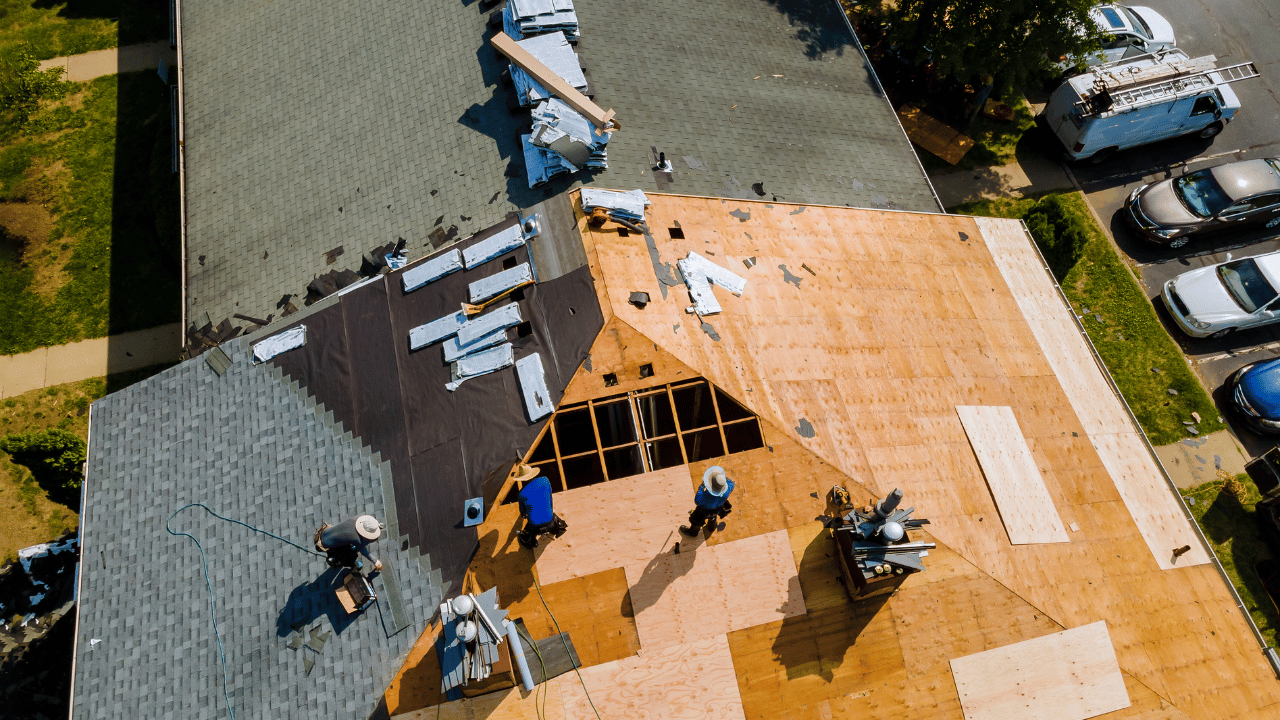
Finding a trustworthy, skilled roofer is arguably as important as choosing the right materials. A perfect roof poorly installed is still a problem waiting to happen. Look for roofers who are members of the National Federation of Roofing Contractors (NFRC) or the Confederation of Roofing Contractors (CORC). These bodies require members to meet strict standards of workmanship and professionalism.
Always ask to see examples of previous work. Ask for references. Make sure they carry public liability insurance. And get everything — materials, timeline, warranty, payment schedule — in writing before any work begins.
Conclusion
Picking the perfect roof is never quite as simple as flicking through a catalogue and pointing at something you fancy. It’s a decision that involves balancing aesthetics, practicality, budget, planning constraints, and long-term value. But approached thoughtfully, it’s also one of the most rewarding home improvement decisions you can make.
Take your time. Do your research. Find a roofer you trust. And remember — a great roof doesn’t just protect your home. It defines it.
FAQs
- How do I know when my roof needs replacing rather than repairing? If your roof is over 20–25 years old, has widespread cracked or missing tiles, persistent leaks, sagging sections, or significant moss and algae growth, it’s likely time for a full replacement rather than piecemeal repairs. A professional survey will give you a definitive answer.
- Do I need planning permission to replace my roof in the UK? In most cases, like-for-like roof replacements do not require planning permission. However, if you’re changing the shape, adding dormers, or your property is in a conservation area or is listed, you will almost certainly need to seek approval. Always check with your local planning authority first.
- What is the most durable roofing material available in the UK? Natural slate and copper metal roofing are among the most durable, with lifespans of up to 100–125 years when properly maintained. They are more expensive upfront but offer exceptional long-term value.
- Are solar panels suitable for all roof types? Solar panels work best on south-facing roofs with a pitch of 30–40 degrees. They can be installed on flat roofs using angled mounting systems. Some heritage and conservation properties may face restrictions — always consult your local authority and a qualified solar installer.
- How can I make my roof more energy-efficient without replacing it entirely? Improving loft insulation is the single most cost-effective measure — it can reduce heat loss through the roof by up to 25%. You can also add solar panels, install breathable roofing membranes during any repair work, and ensure roof ventilation is adequate to prevent condensation and damp.