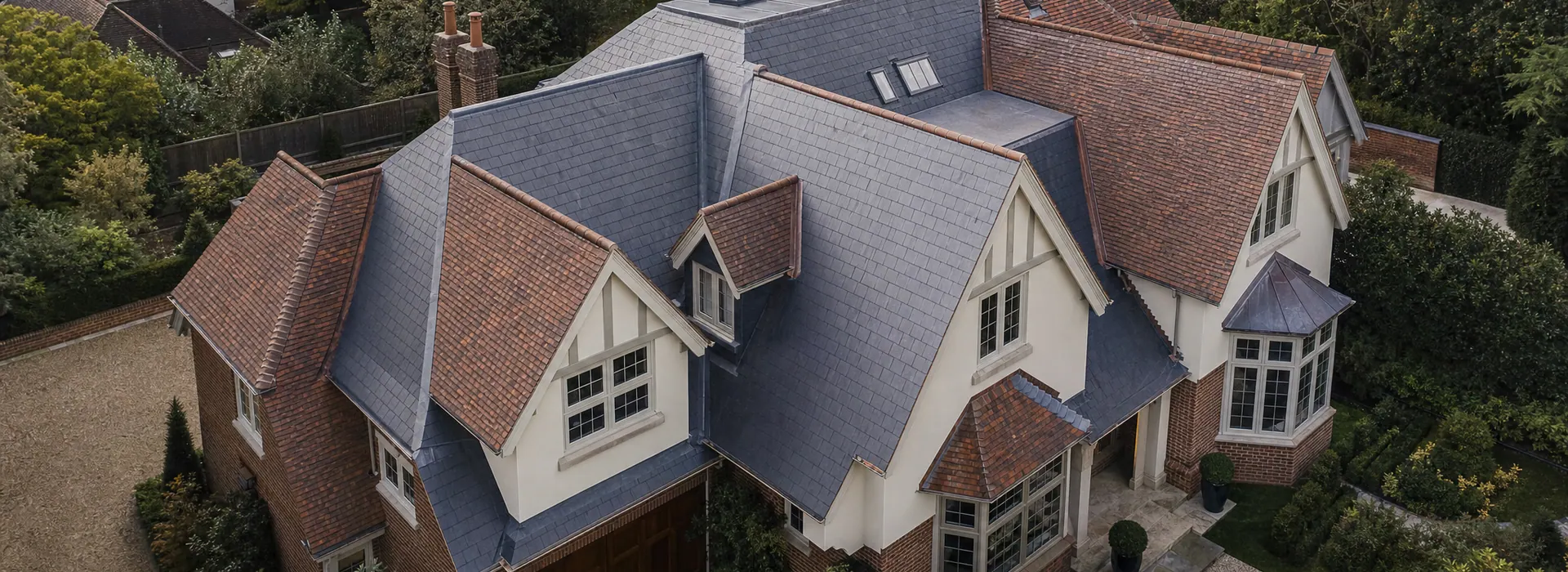
Large Residential Roofing Projects
Coordinated Roofing for Substantial Private Homes
Large residential context
Scale Changes the Delivery Plan, Not the Need for Roof-Specific Detail
A large residential roofing project can involve several roof areas, multiple junctions, difficult access, occupied rooms, neighbouring properties and interfaces with a wider refurbishment.
That scale increases the importance of clear scope, sequencing and communication, but each covering and detail still needs to be considered against its actual condition and construction.
The specialist roofing service pages define the work itself; this page focuses on the additional delivery decisions created by scale, access, occupation and several connected workstreams.
Project suitability
When the Roofing Scope Needs a Larger-Project Approach
The strongest fit is where scale, property sensitivity or professional-team involvement creates a clear need for coordinated delivery.
Multiple Roof Areas
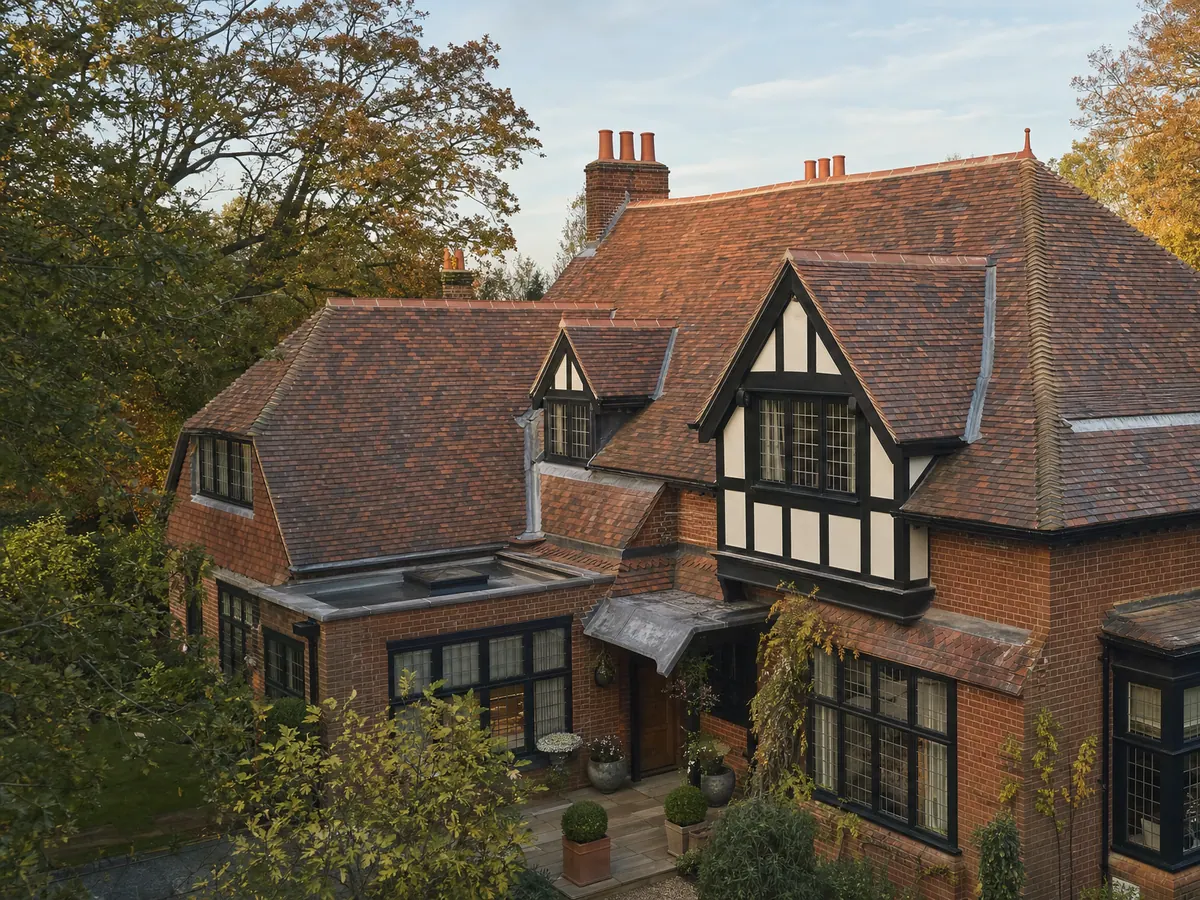
Main roofs, extensions, dormers, outbuildings or connected forms may need one coordinated scope.
Access & Protection
Scaffolding, delivery routes, gardens, interiors and neighbouring property can materially affect site planning.
Occupied Homes
Communication and protection need to be built into the programme where the property remains in use.
Project-Team Input
Architects, designers, surveyors or project managers may be involved where roofing forms part of wider residential work.
Several Roofing Disciplines
Refurbishment, leadwork, slate and tile, flat-roof areas or inspection work may sit within one project where the agreed scope requires them.
Planned Programme
Enough information should exist to review roof areas, constraints, sequencing and practical next steps.
Planning
Define the Scope Before Scale Makes It Harder to Control
The project should distinguish what is known, what remains conditional and which decisions sit with the client or appointed team.
Scale definition
A Larger Roof Still Requires Specific Assessment
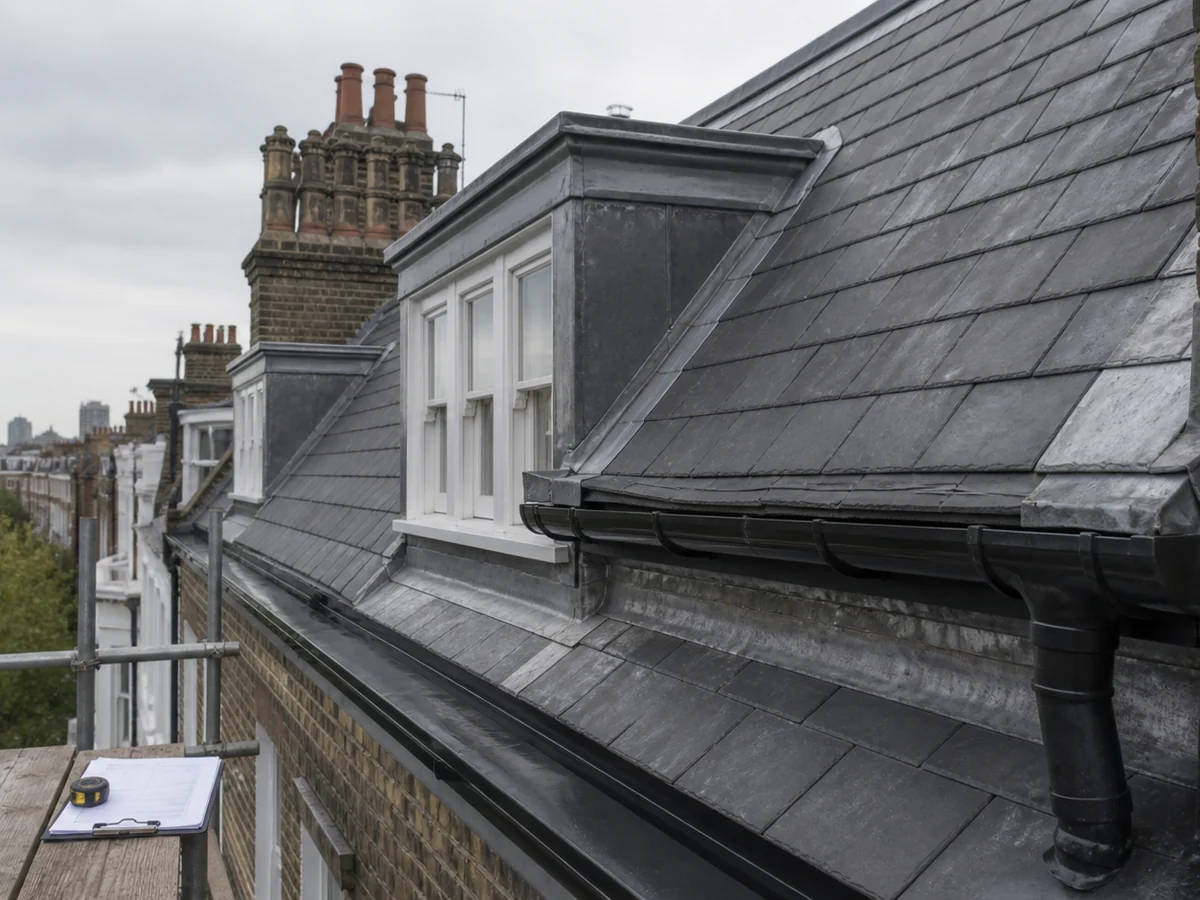
Substantial roof area does not justify a generic specification. Condition, construction, materials, junctions and access still need to inform the work.
- Roof areas and interfaces
- Access and protection
- Known project constraints
Scope boundaries
Keep Assumptions and Exclusions Visible
Survey access, concealed conditions, third-party requirements and interfaces with other trades should remain clear so the roofing proposal is not treated as more certain than the evidence allows.
- Visible condition review
- Assumptions stated
- Decision points identified
Residential constraints
Practical Conditions Around Larger Private Homes
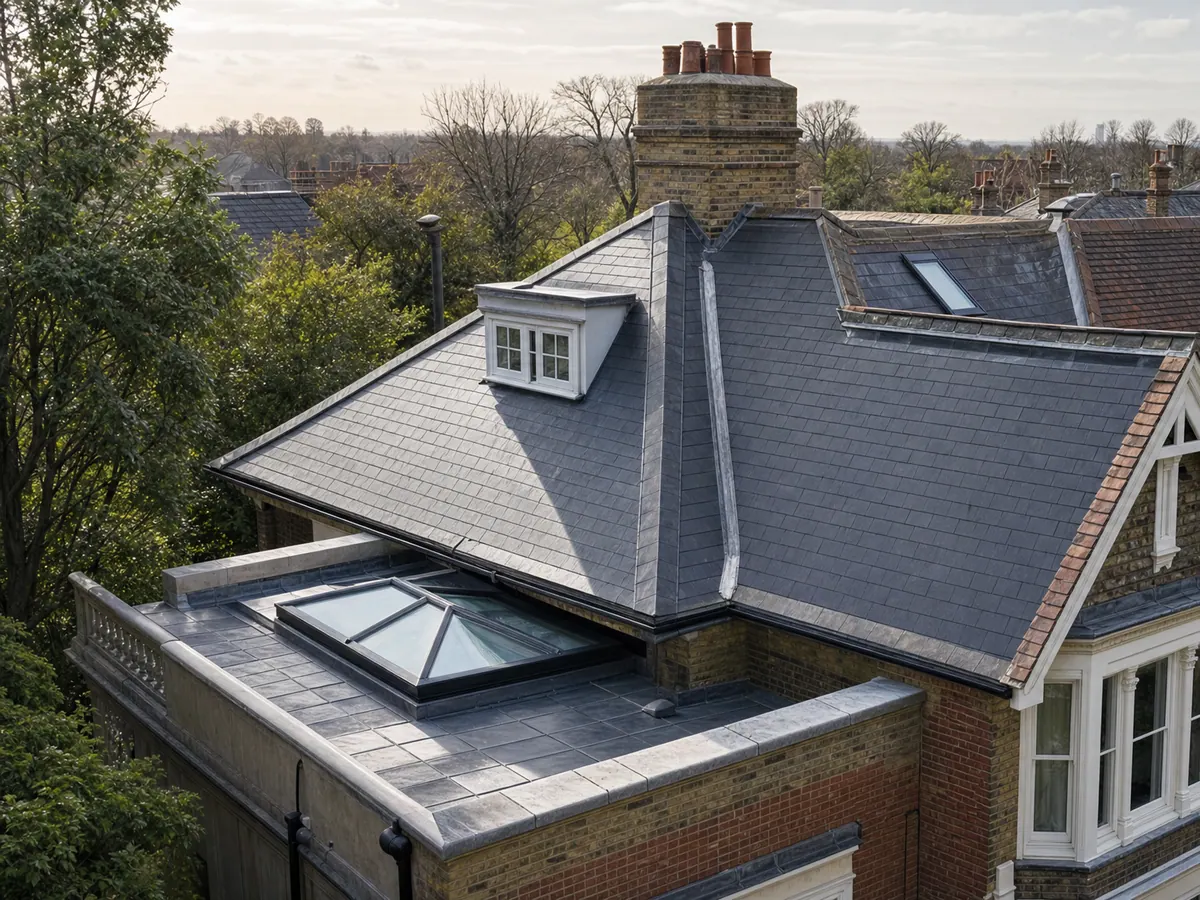
The project plan responds to the property and site rather than assuming every substantial house creates the same constraints.
Access Routes
Driveways, gardens, entrances and shared approaches may influence deliveries, scaffolding and working areas.
Weather Exposure
Open roof areas and temporary protection need careful sequencing during planned work.
Neighbour Impact
Noise, access, scaffolding and deliveries may need consideration around nearby homes.
Interior Protection
Finished rooms, loft spaces and occupied areas can influence protection and sequencing.
Landscape & External Finishes
Gardens, stonework, render, glazing and other features can affect working methods.
Information Quality
Drawings, surveys, photographs and known defects improve the reliability of early project review.
Coordination
Workstreams Around the Roofing Scope
Larger projects are managed through their interfaces rather than treating the roof as an isolated package.

Roof inspection
Review Condition Before Fixing the Scope
Visible roof condition, access, materials and junctions are reviewed so limitations and the likely project route can be identified.
- Visible roof condition
- Access review
- Material observations
Combined services
Several Roofing Disciplines May Overlap
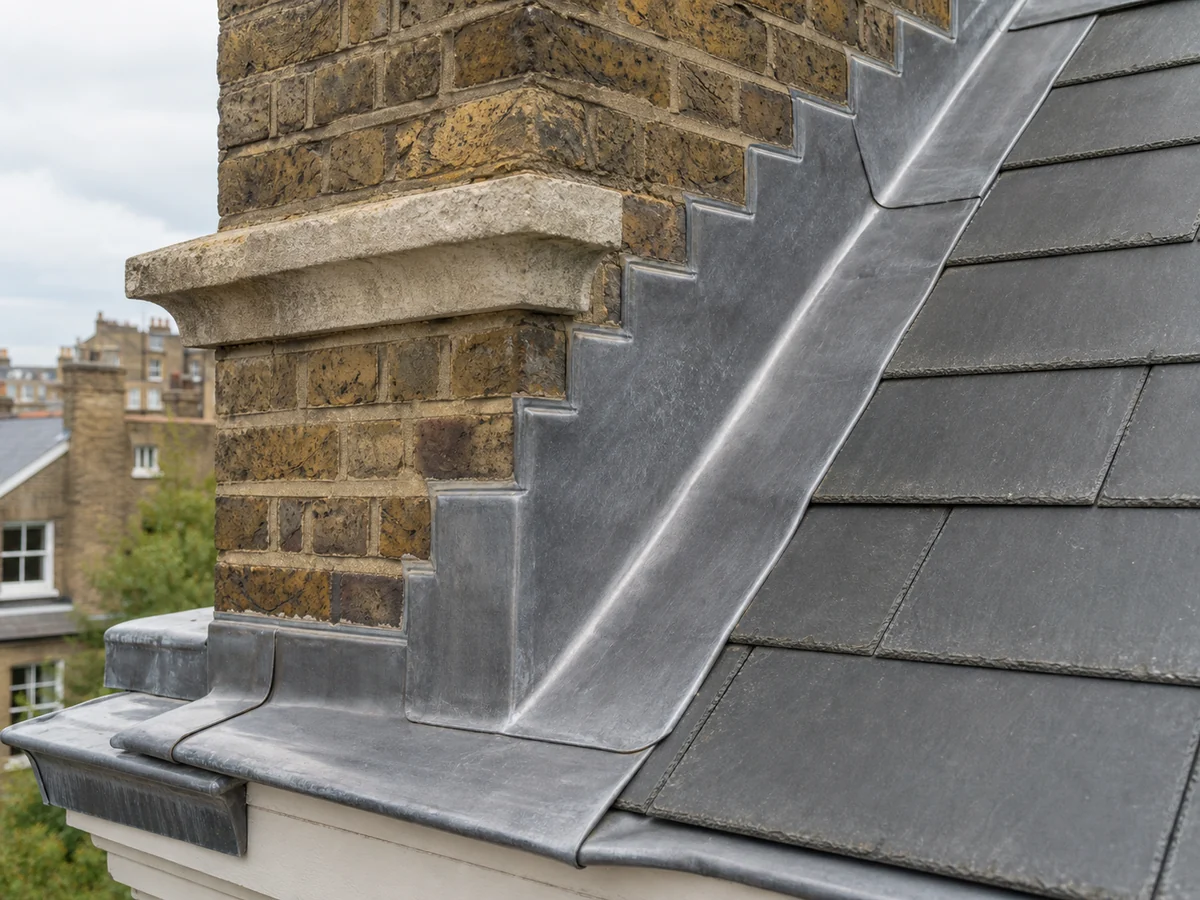
Roof refurbishment, leadwork, slate and clay tile, flat-roof work and repairs can form one coordinated project where those elements are genuinely required.
- Roof refurbishment
- Leadwork interfaces
- Material-specific work

Team interface
Keep Project Information Moving Through the Right People
Client priorities, drawings, programme expectations and roofing observations need clear decision routes as the project develops.
- Client decisions
- Project information
- Progress communication
Completion
Close the Roofing Scope Clearly
Checks, outstanding items and relevant handover or aftercare information should be dealt with as part of project completion.
- Checks
- Handover points
- Aftercare information

Quality & protection
Controls for Substantial Residential Roofing Work
Scope, property protection, weather planning, communication, workmanship checks and handover remain central throughout delivery.
Defined Scope
Roof areas, workstreams, assumptions, exclusions and interfaces remain clear.
Property Protection
Access routes, occupied areas, finishes and landscaping are considered.
Weather Planning
Opening and temporary protection are sequenced around exposure risk.
Project-Team Communication
Decisions and changes are routed through the agreed contacts.
Quality Checks
Relevant roof coverings and details are reviewed at sensible stages.
Handover
Completion information and relevant aftercare are addressed at project close.
Large Project FAQs
Large Residential Roofing Project Questions
-
Scale can come from roof area, several connected roof sections, access complexity, property sensitivity, professional-team involvement or coordination with wider works.
-
The Roofing Services hub helps choose the appropriate roofing discipline. This page focuses on the additional planning, sequencing and coordination needed when the residential project itself is larger or more complex.
-
Yes. Refurbishment, repairs, leadwork, slate and clay tile, flat-roof areas and inspection work may be combined where the roof and agreed scope genuinely require them.
-
Yes, subject to the property and project context. Access, protection, communication and sequencing are considered during planning.
-
The address, roof areas involved, photographs where available, known issues, approximate timing, drawings and professional-team contacts are useful.
-
This project route is intended for substantial or sensitive residential roofing where coordinated delivery adds value. A focused repair enquiry can instead begin through the Roof Repairs service.
Large residential roofing enquiry
Discuss a Larger Residential Roofing Project
Send the property location, roof areas involved, known constraints, project-team involvement, approximate timing and any available survey or drawing information.