
Planning before delivery

Quality starts with a clear understanding of the property and the work

For roofing work, quality begins with understanding the existing roof: its condition, access, materials, junctions, drainage, weather exposure and relationship with the rest of the property.

For refurbishment, the same discipline applies to rooms, existing fabric, service routes, finishes and the order in which plumbing, electrical, plastering, decorating, carpentry and other agreed trades need to work.

Across both types of project, suitable materials, property protection, clear responsibilities, sensible inspection points and communication help keep delivery aligned with the agreed outcome.

ER Group London’s quality approach is not based on vague promises. It is based on defining the scope, understanding the property, managing interfaces and checking important details at the right stage.

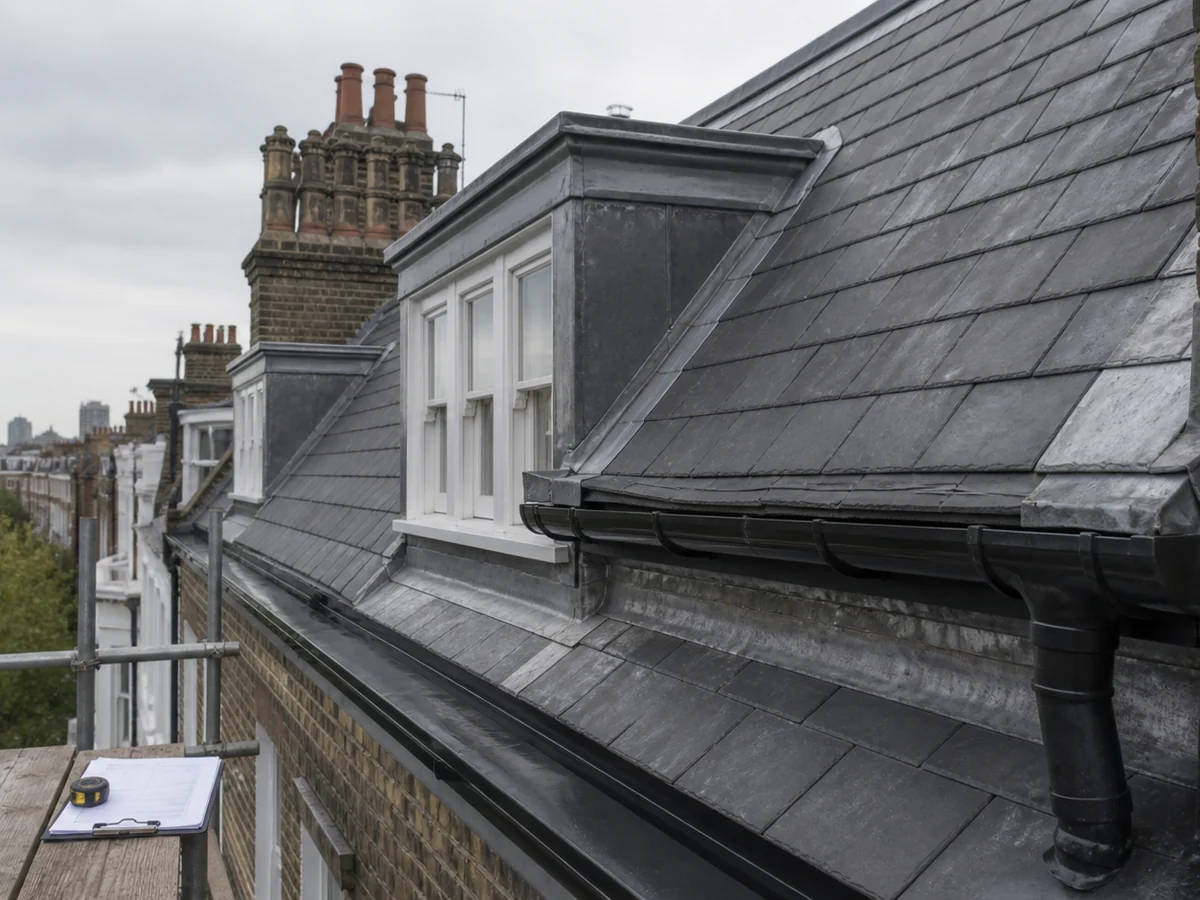
Roofing condition and detail being reviewed before work

Quality standards

From initial review to a carefully finished result

Survey & planning

Understand the existing property before work begins

The areas affected by the proposed work are reviewed in context. On a roof, that means visible condition, materials, access, junctions, drainage and weather exposure. In refurbishment, it means rooms, finishes, services, existing fabric and the interfaces between trades.

  • Existing roof, room or building condition
  • Access, protection and sequencing
  • Materials, finishes and existing fabric
  • Heritage or conservation context where relevant
  • Interfaces between roofing and refurbishment trades
  • Inspection limitations and assumptions

Materials

Select materials for the construction and intended finish

Roof coverings, leadwork, timber, plaster, decorating systems and other specified materials are considered for suitability, compatibility, appearance and the way they meet existing construction.

  • Suitability for the property and location
  • Compatibility with retained construction
  • Appearance and finished quality
  • Traditional materials where appropriate
  • Drawings, specifications and client selections
  • Long-term maintenance considerations

Workmanship

Treat every junction and finish as part of the complete work

On the roof, quality depends on details such as leadwork, valleys, flashings, edges, outlets and drainage. Within refurbishment, the same attention applies where services, plastering, decoration, carpentry, windows, doors and finished surfaces meet.

  • Roof coverings, leadwork and drainage details
  • Plumbing and electrical interfaces
  • Plastering, decoration and making good
  • Windows, doors, carpentry and fitted details
  • Consistent visible finish
  • Junctions checked before they become hidden

Property protection

Plan the work around an occupied or carefully managed home

Access, occupied rooms, finished surfaces, external areas, landscaping, neighbours, deliveries and weather exposure are considered before work begins.

  • Interior and exterior finishes
  • Landscaping and access routes
  • Neighbouring property
  • Orderly site conduct
  • Weather and risk planning
  • Protection before intrusive work starts

Communication

Keep proposals, decisions and handover clear

Clear proposals, regular updates, recorded changes and useful completion information keep homeowners and professional teams informed across both roofing and refurbishment work.

  • Clear written proposal
  • Progress updates
  • Decisions and changes
  • Quality checks
  • Handover information
  • Maintenance or aftercare notes where relevant

Quality control

Six priorities behind well-run residential work

Property-Led Planning

Roofing and refurbishment scopes are reviewed against the property, existing condition, access, intended finish and the trades involved before delivery arrangements are finalised.

Appropriate Materials

Materials are selected for compatibility with existing construction, required performance, appearance and the agreed project specification.

Detail-Led Workmanship

Roof junctions, service interfaces, making good, joinery and visible finishes are treated as connected parts of the completed work.

Property Protection

Access, occupied areas, finishes, landscaping and neighbouring property are planned for before work begins.

Clear Communication

Proposals, assumptions, progress and changes remain clear to the client and the wider project team.

Inspection & Handover

Checks at useful stages and clear completion information support an orderly handover for both roofing and refurbishment work.

Roofing quality

Quality on a roof is often decided at the junctions

A roof can look straightforward from the ground, but many failures start where materials meet: valleys, flashings, parapets, chimneys, roof edges, gutters, outlets, rooflights and changes of pitch. ER Group London reviews these details as part of the complete roof rather than treating them as isolated patches.

Coverings

Slate, clay tile, flat-roof and other coverings are considered against pitch, exposure, existing construction and the surrounding roof.

Leadwork

Flashings, valleys, gutters, parapets and abutments are checked as part of the wider weathering system.

Rainwater Routes

Gutters, outlets, falls and above-ground rainwater goods need to move water away from vulnerable details.

Access and Weather

Opening-up, temporary protection and safe access are planned before exposed roof areas become vulnerable.

Hidden Conditions

Decks, battens, timbers, underlays and previous repairs may only be confirmed after opening-up.

Completion Checks

Important roof details should be reviewed before handover and before access is removed.

Refurbishment quality

Finished rooms depend on the sequence behind the finish

A high-quality refurbishment finish depends on what happens before decoration begins. Plumbing, electrical work, joinery, windows, doors, plastering, drying time and substrate preparation all affect the final result.

Trade Order

Services, access points and intrusive works should be resolved before final finishes are applied.

Substrate Condition

Staining, cracking, blown plaster, damp marks and previous repairs should be understood before decoration.

Joinery and Reveals

Windows, doors, architraves, skirting, fitted joinery and reveals affect how a finished room reads.

Protection

Floors, furniture, fitted finishes and access routes should be protected before dusty or wet work begins.

Client Selections

Colours, finishes, fittings, ironmongery, sanitaryware and visible details should be confirmed at the right stage.

Snagging and Handover

Remaining observations and agreed final items should be dealt with clearly before the project is closed.

Quality Standards FAQs

Questions About ER Group London’s Quality Approach

  • Quality standards means the way the work is planned, specified, protected, delivered, checked and handed over. It covers the property context, materials, workmanship, communication and clear scope control.
  • No. Roofing and refurbishment work should respond to the property, existing condition, materials, access, drawings, approvals and intended finish.
  • Concealed conditions may only become clear after opening-up. Where hidden defects affect the agreed scope, the issue should be explained and the next decision agreed before additional work proceeds.
  • Access, occupied rooms, floors, furniture, gardens, external finishes, neighbours and weather exposure are considered before work begins.
  • Where architects, surveyors, designers or project managers are involved, decisions and project information are routed through the agreed contacts.
  • Send the property address, photographs where safe, the issue or planned work, drawings or surveys if available, and any access, heritage or timing constraints.

Next Steps

Planning specialist roofing or property refurbishment?

Tell us about the property, the work you are considering and any drawings, reports, photographs or specifications already available.