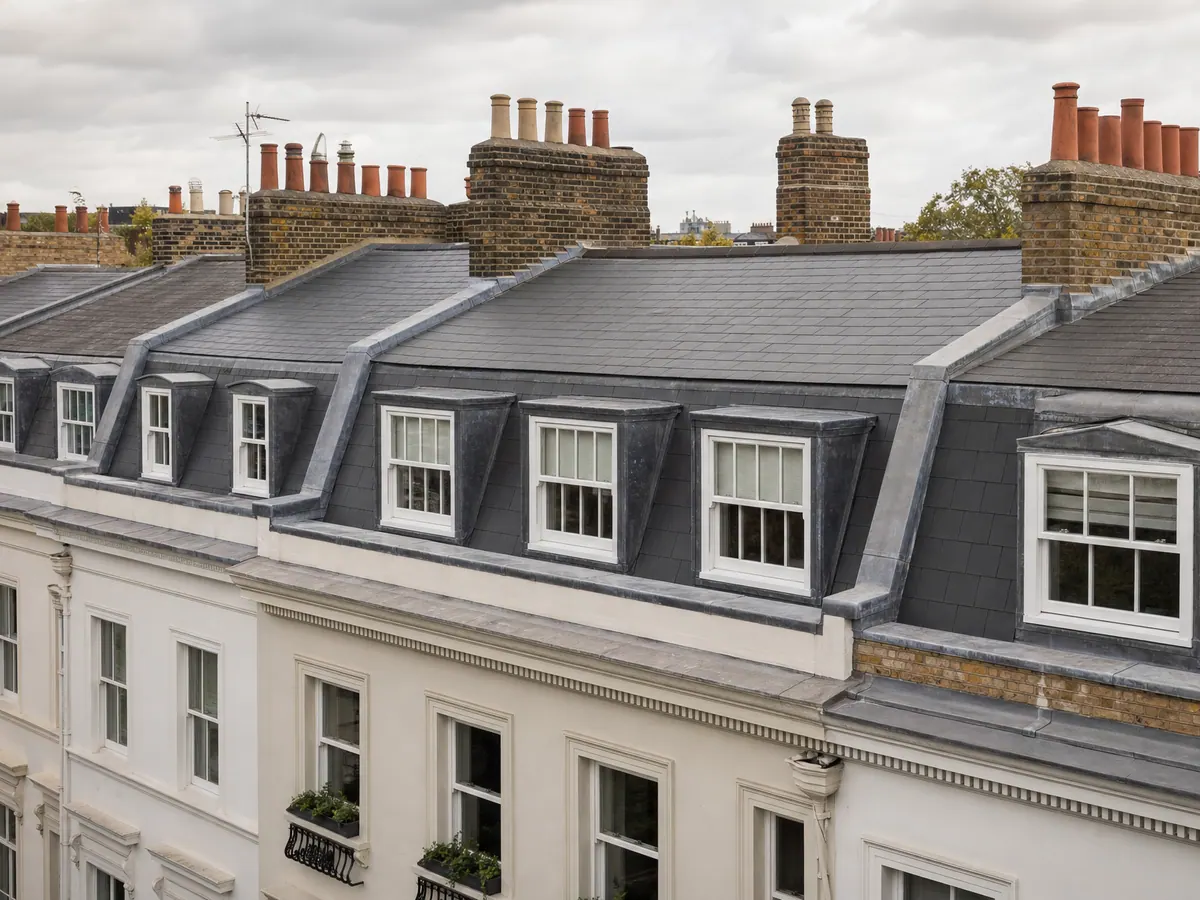
Roof repairs
Roof Repairs
Focused diagnosis and repair where the source of the defect can be identified and the surrounding roof remains serviceable.
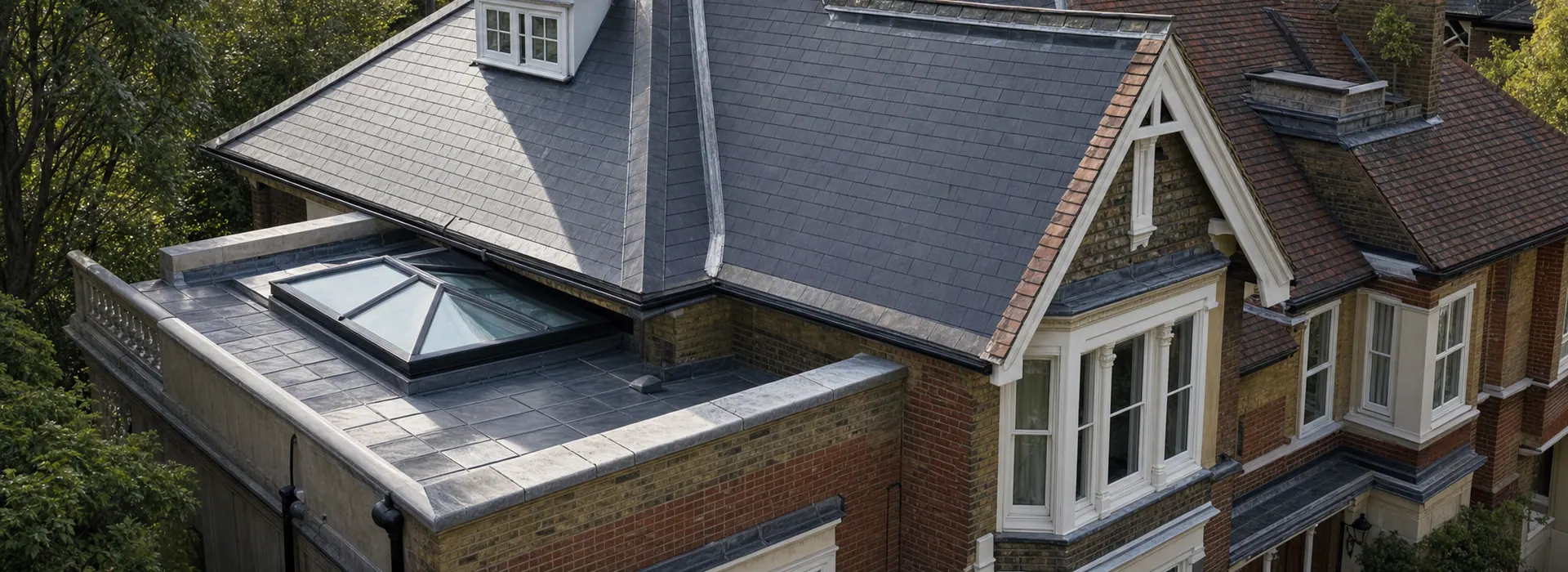
Residential Roofing Services
Choose the scope after the roof has been understood
A slipped slate, failed flashing or blocked outlet may justify a focused repair. Repeated leaks, brittle coverings, widespread fixing failure or several deteriorated junctions can point towards broader refurbishment or complete re-roofing.
A roof should not be specified for replacement simply because water has appeared inside, nor repeatedly patched when the surrounding construction is no longer serviceable. The correct scope depends on the cause, the condition of adjoining materials and how the roof details work together.
ER Group London’s roofing services cover pitched and flat roofing, specialist leadwork, heritage work, roof insulation, roof surveys, planned maintenance and roofline details around chimneys, gutters, parapets, rooflights, terraces and balconies.
You do not need to diagnose the roof or choose the service before enquiring. Share the symptoms, property context and any photographs or reports available; the next step can then be narrowed to repair, inspection, maintenance, refurbishment or full replacement.
Roofing services
Use the options below if you already know the roof type or problem. If you are unsure, start with the symptoms and we can help identify the most useful inspection or roofing scope.
Roof repairs
Focused diagnosis and repair where the source of the defect can be identified and the surrounding roof remains serviceable.
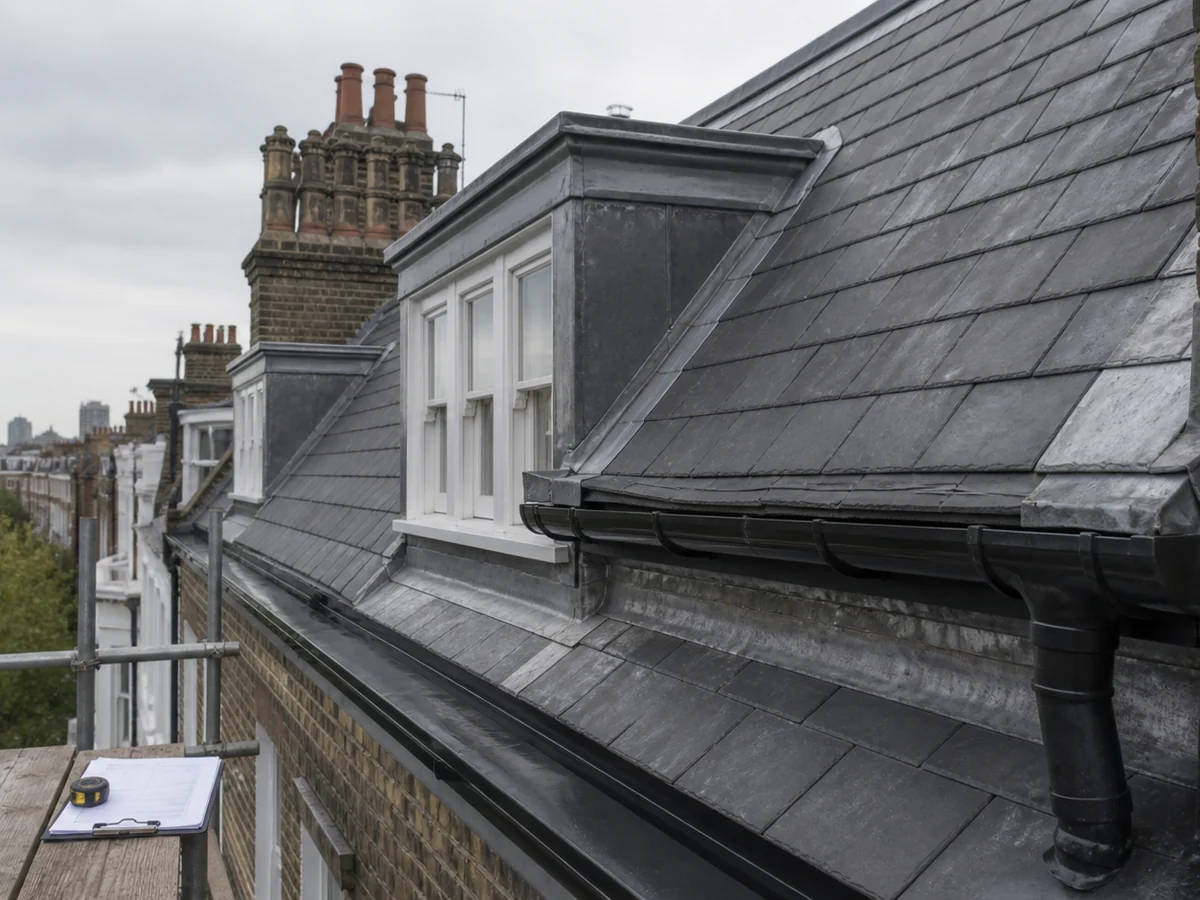
Complete renewal
Planned replacement of roof coverings and associated details where condition, design or a wider project requires a complete roofing package.
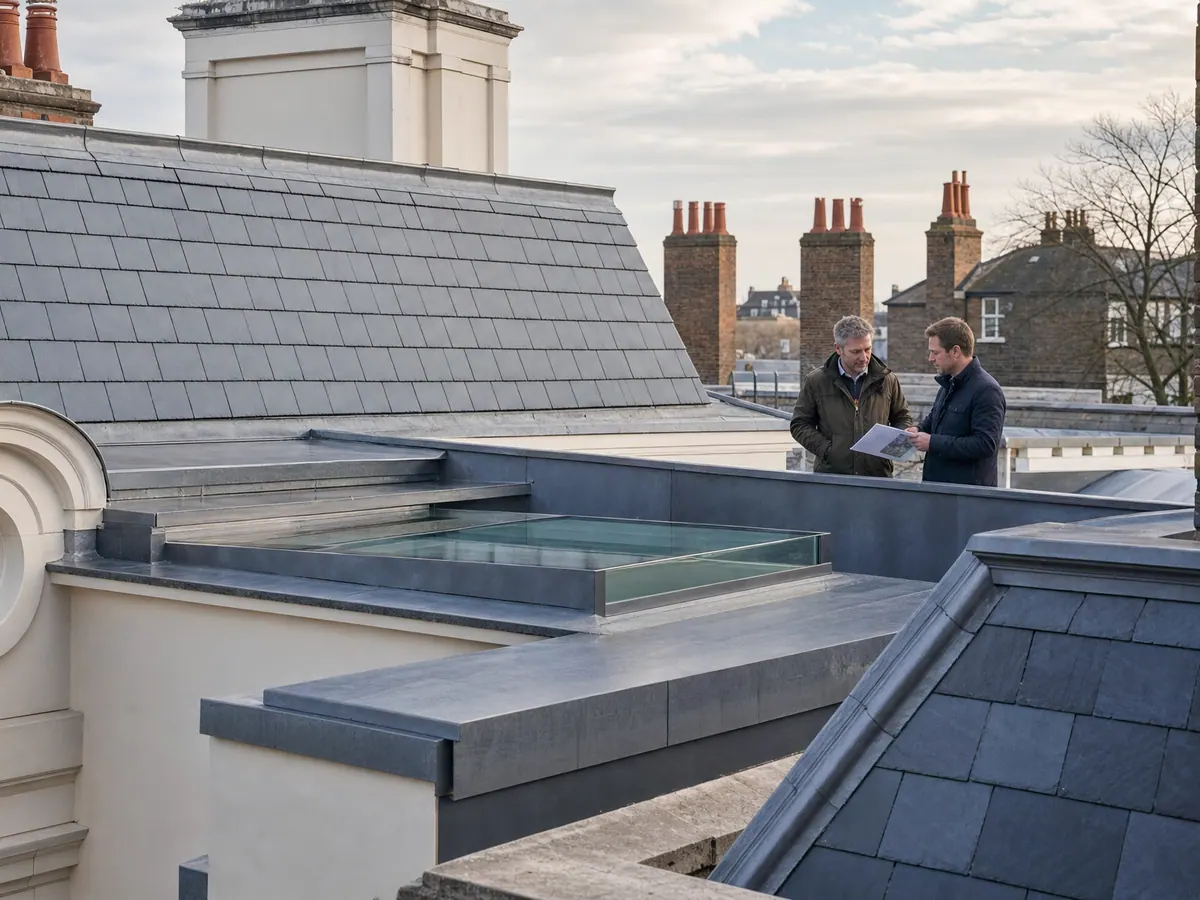
Condition-led renewal
Coordinated renewal of selected coverings, leadwork, drainage and junctions where isolated patching would leave connected defects unresolved.
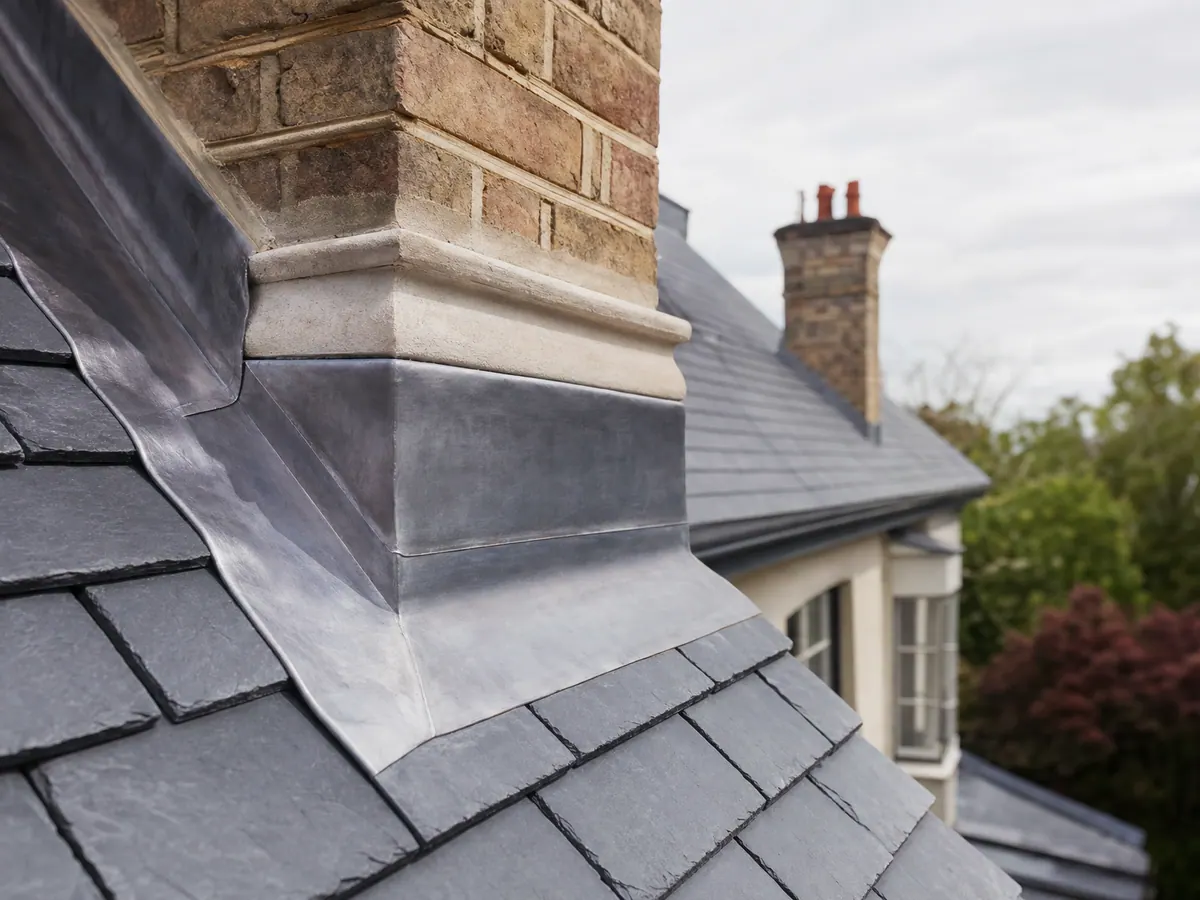
Sensitive properties
Repair and renewal for period, listed and conservation-area properties, informed by existing fabric, appearance and relevant project requirements.
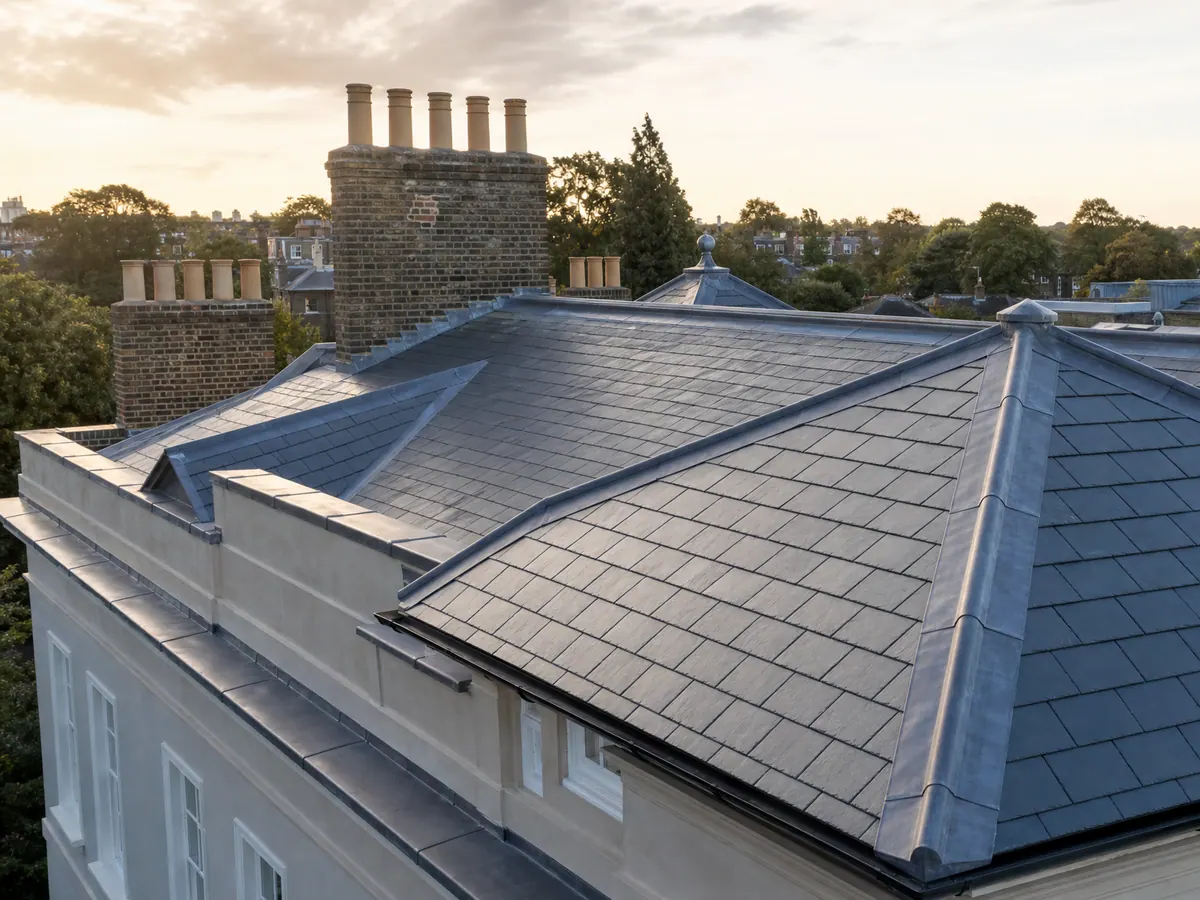
Pitched coverings
Inspection, repair, matching and renewal of pitched roof coverings, together with ridges, verges, valleys and adjoining weathering details.

Specialist detailing
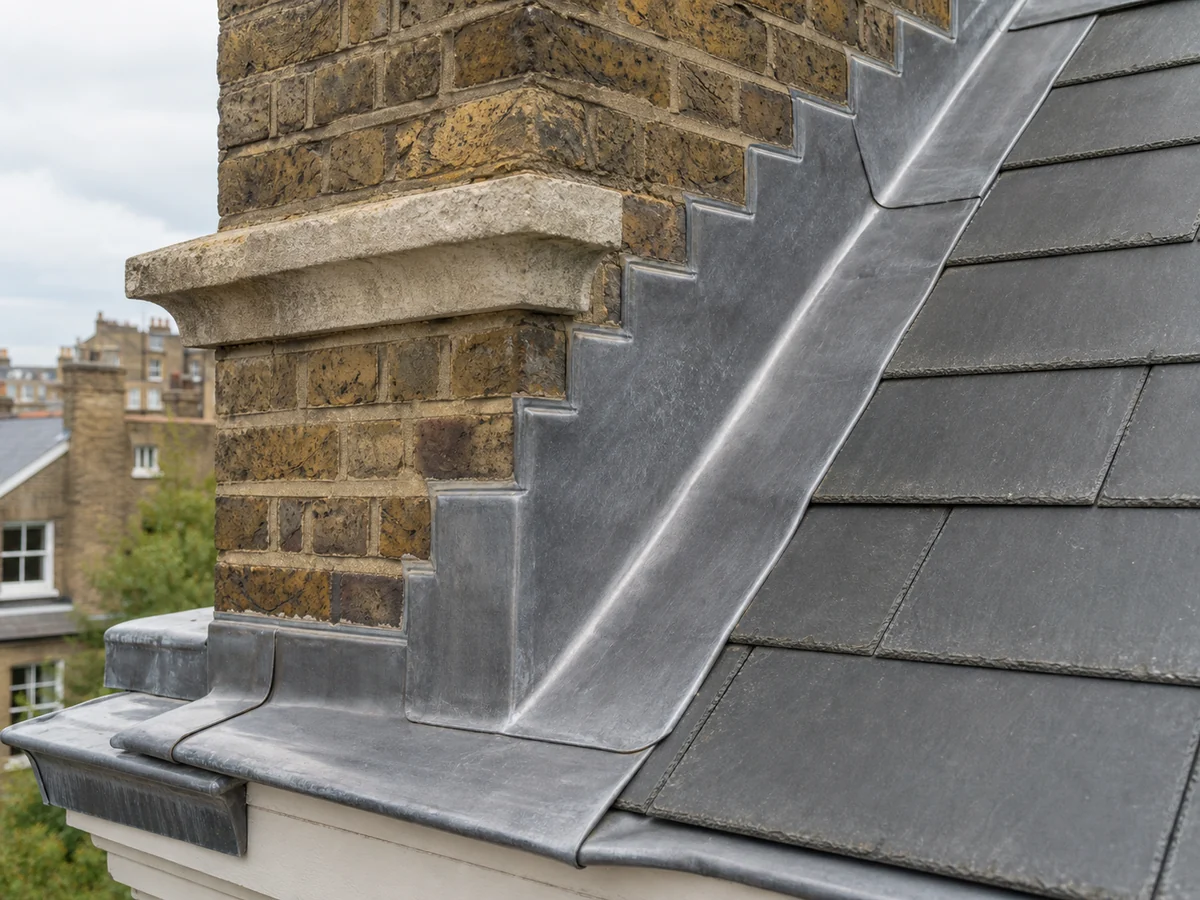
Lead flashings, valleys, gutters, abutments and complex weathering details considered as part of the complete roof junction.
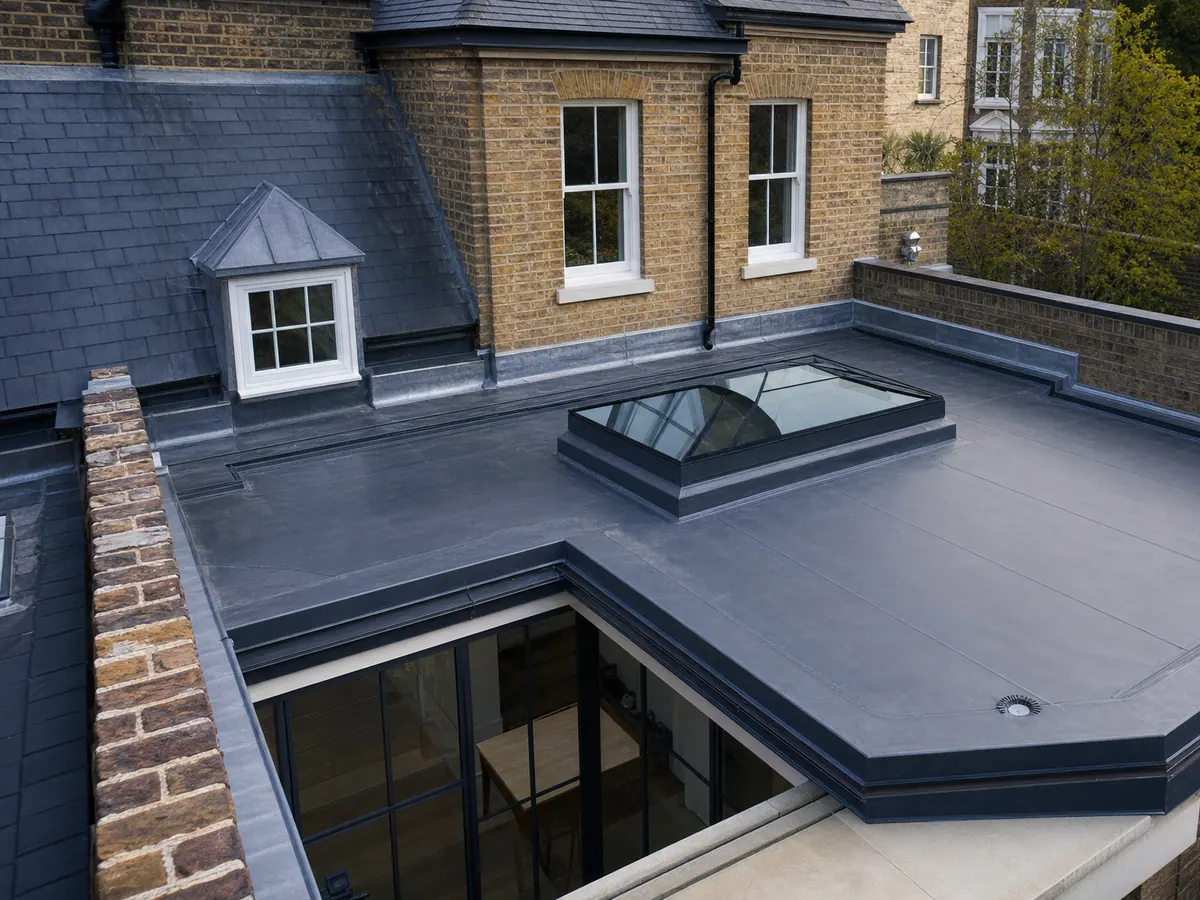
Flat roofing
Repair and renewal based on deck condition, falls, drainage, insulation, outlets, upstands and the interfaces around the roof.

Terraces and balconies
Waterproofing, renewal and conversion work where drainage, thresholds, surface finishes and the roof beneath them must work as one assembly.

Planning support
Visible-condition review used to investigate defects, inform planned works or support the next stage of a residential roofing project.

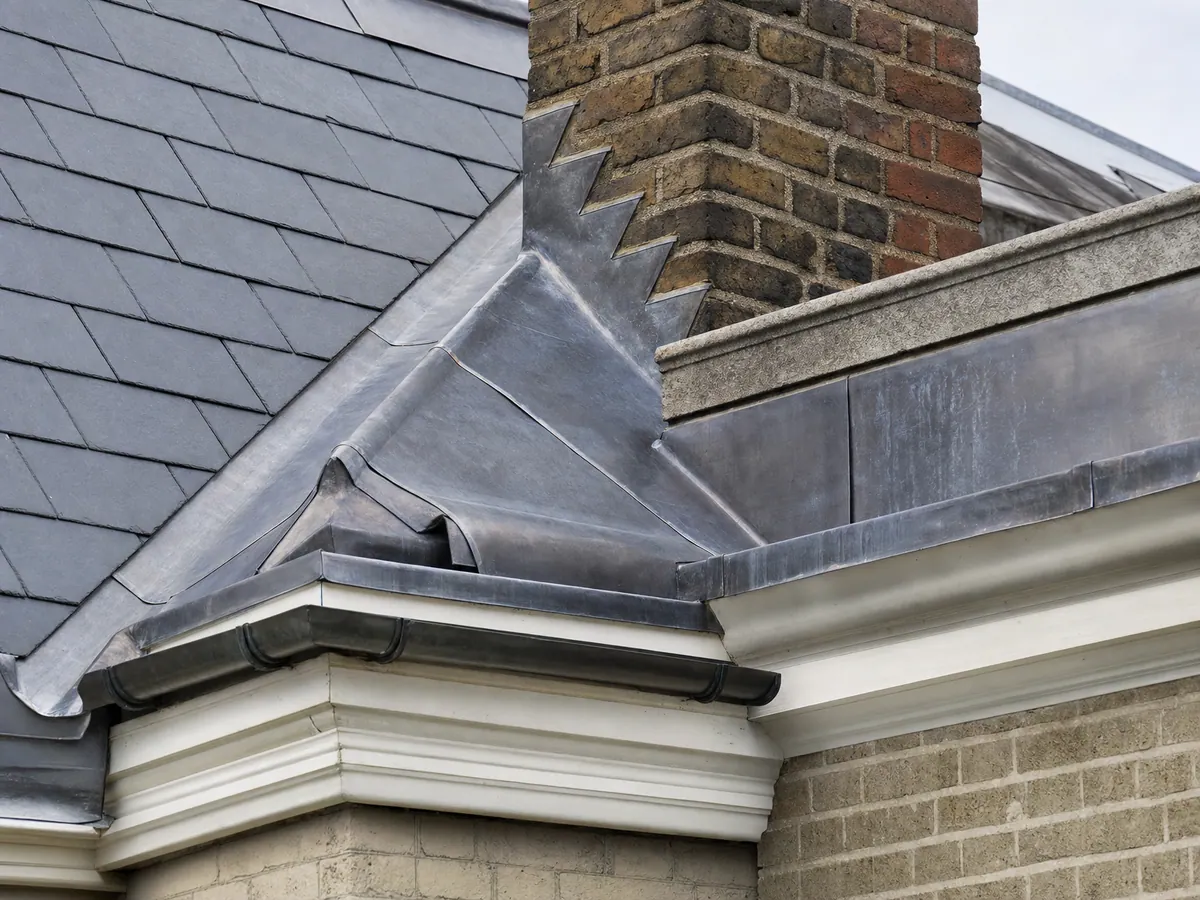
Roofline details
Roofline masonry, flashings and weathering details around chimneys, coordinated with the surrounding roof.
Rainwater goods
Above-ground gutters, outlets and downpipes coordinated with roof falls, edges, parapets and adjoining details.
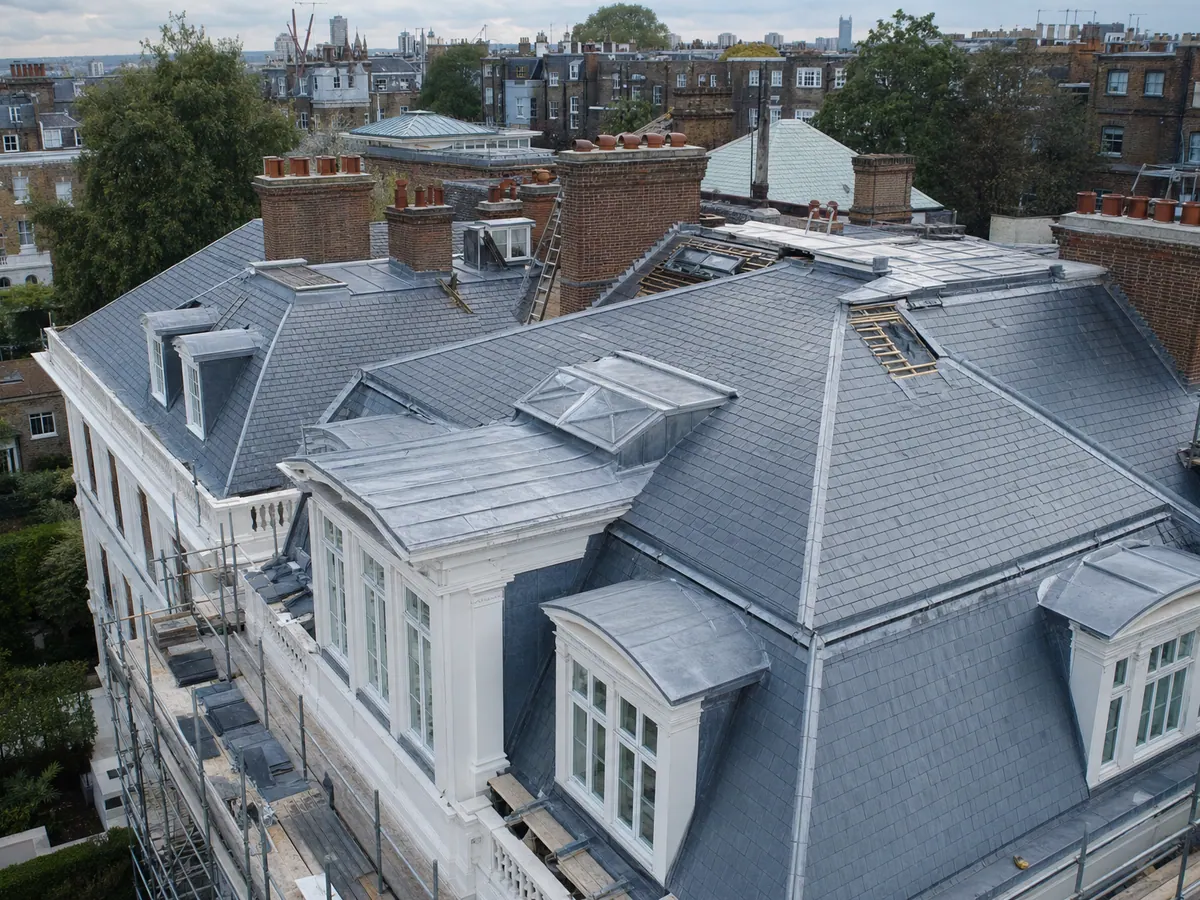
Planned care
Condition review, drainage checks and maintenance priorities for private homes, estates and managed residential properties.

Damage triage
Urgent roof-damage enquiries focused on safe evidence, access, temporary risk reduction where suitable and the right next repair step.

Thermal build-up
Roof insulation reviewed as part of the roof build-up, including moisture movement, ventilation, deck condition and internal finishes.
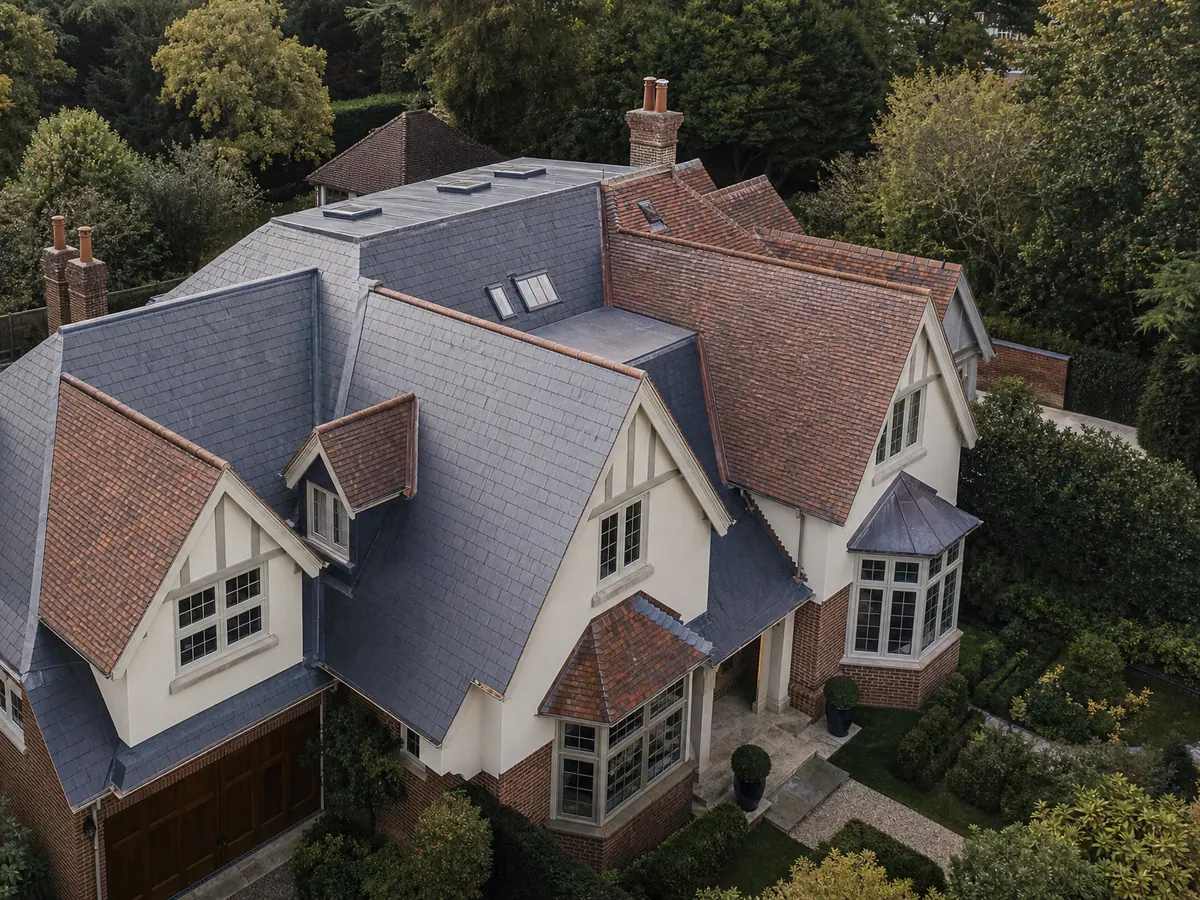
Visual inspection support
Drone-assisted visual roof inspection where access, visibility and the property context make aerial review useful.
When ER Group London is a strong fit
ER Group London is best suited to residential roofing where diagnosis, coordinated details, access and careful protection of the property materially affect the result.
Older roof fabric and visible character may affect how materials are retained, matched and renewed.
Leaks linked to several junctions or previous unsuccessful repairs need diagnosis rather than another isolated patch.
A coordinated scope is useful when coverings, leadwork and drainage details are deteriorating together.
Roofing work can be aligned with drawings, reports, specifications and the sequence of adjoining trades.
Access, protection, temporary weathering and day-to-day communication are part of the delivery plan.
Inspections and priorities can be recorded to support planned expenditure and reduce avoidable disruption.
Choosing the right scope
A visible leak or damaged covering does not define the complete repair. The decision also depends on adjoining materials, junctions, drainage, previous work and any concealed conditions that can only be confirmed through suitable access or opening-up.

Start with the cause
Water may enter through a damaged covering, but it can also track from a valley, parapet, outlet, rooflight, chimney or abutment. The inspection should consider the route of water and the condition of connected details before the repair method is chosen.
Decide whether repair remains proportionate
A focused repair is appropriate when the defect is identifiable and adjoining materials remain serviceable. Where fixings, coverings or weathering details are failing across a wider area, a repeated local repair may move the problem rather than resolve it.
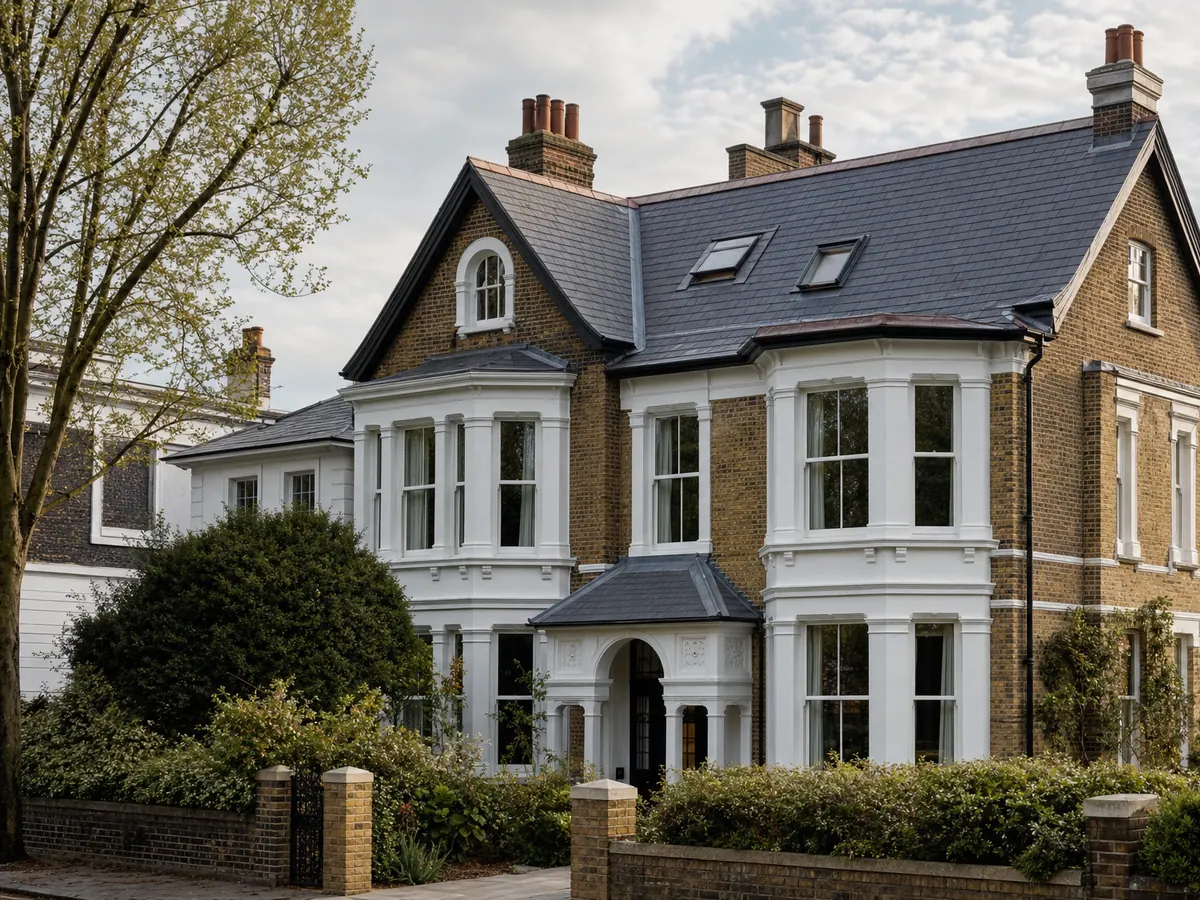
Treat pitched-roof details as a system
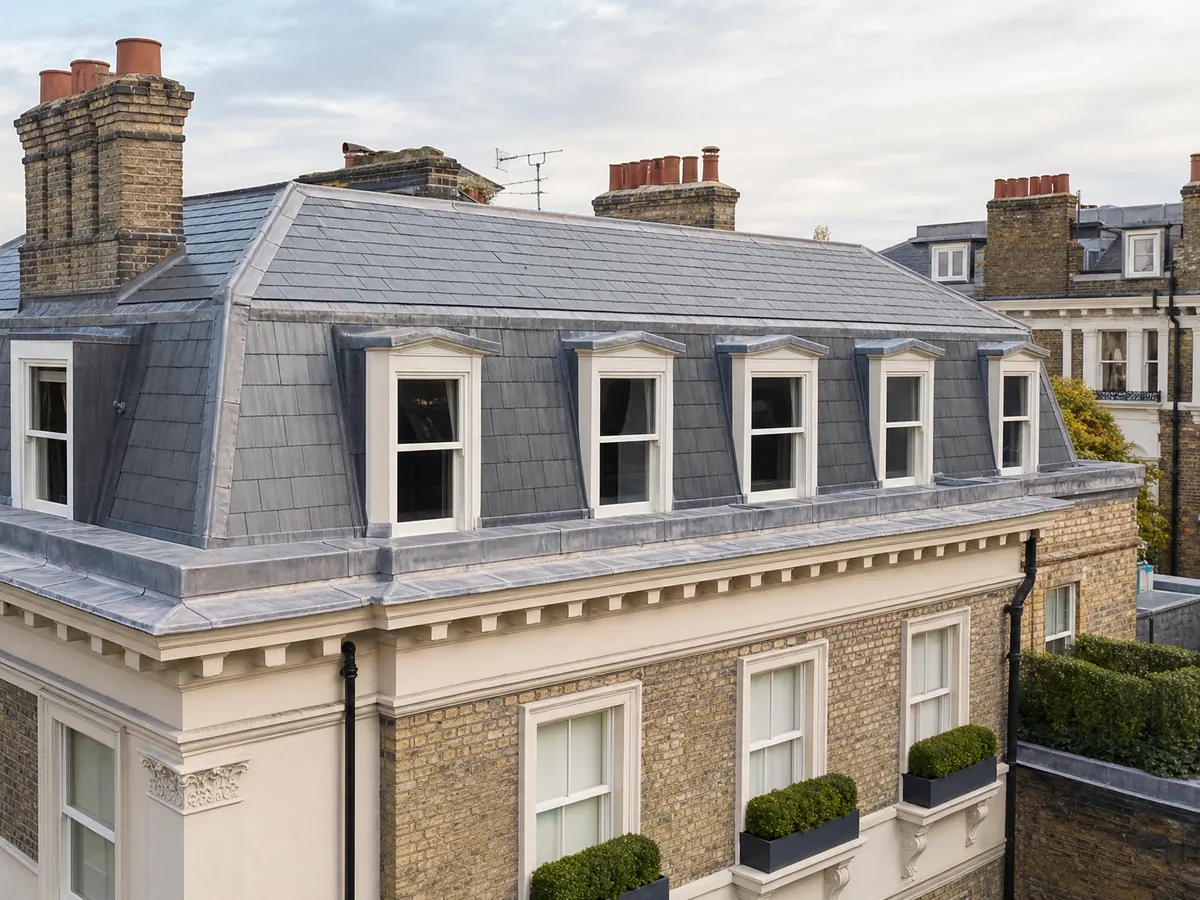
The performance of a pitched roof depends on more than the main covering. Ridges, verges, valleys, flashings, underlays, battens, drainage and penetrations all contribute to how water is shed and how the roof responds to age and movement.
Flat roofs depend on geometry and interfaces
A flat-roof covering cannot compensate indefinitely for poor drainage, low upstands, vulnerable thresholds or failed interfaces. Those details should be considered before a repair system or replacement build-up is selected.


Older buildings need compatible decisions
Traditional roof coverings, masonry, timber, moisture movement and ventilation can respond badly to an incompatible intervention. Retention, matching, breathability and relevant permissions should be considered before the detail is changed.
From first review to handover
A focused discussion covers priorities, known defects, property context, access, professional-team involvement and the decisions needed before the proposed roofing or refurbishment work can proceed.
Where appropriate, the visible condition of affected areas, relevant materials, access and practical constraints are reviewed, with any inspection limitations recorded.
Completion addresses handover, outstanding items, relevant follow-up and maintenance information where it forms part of the agreed project.
Working on occupied residential property
Access, temporary weathering, protection of internal and external finishes, and communication should be planned before work begins, especially where the property remains occupied.
Scaffold positions, internal routes, gardens, shared access and neighbouring property are considered before mobilisation.
Opening-up and incomplete areas need a realistic plan for changing weather and the condition of the existing roof.
Finished rooms, terraces, planting, façades and other vulnerable surfaces are identified before work begins.
The client and relevant advisers are kept informed where discovered conditions affect the agreed scope or sequence.
Roof junctions, drainage routes, upstands, flashings and interfaces are checked against the agreed scope.
Completion information should reflect what has been inspected, repaired, renewed and excluded.
Roofing service questions
Next Steps
Send the property address, photographs, known history and any survey information. ER Group London can review the context and advise on the most useful next step.