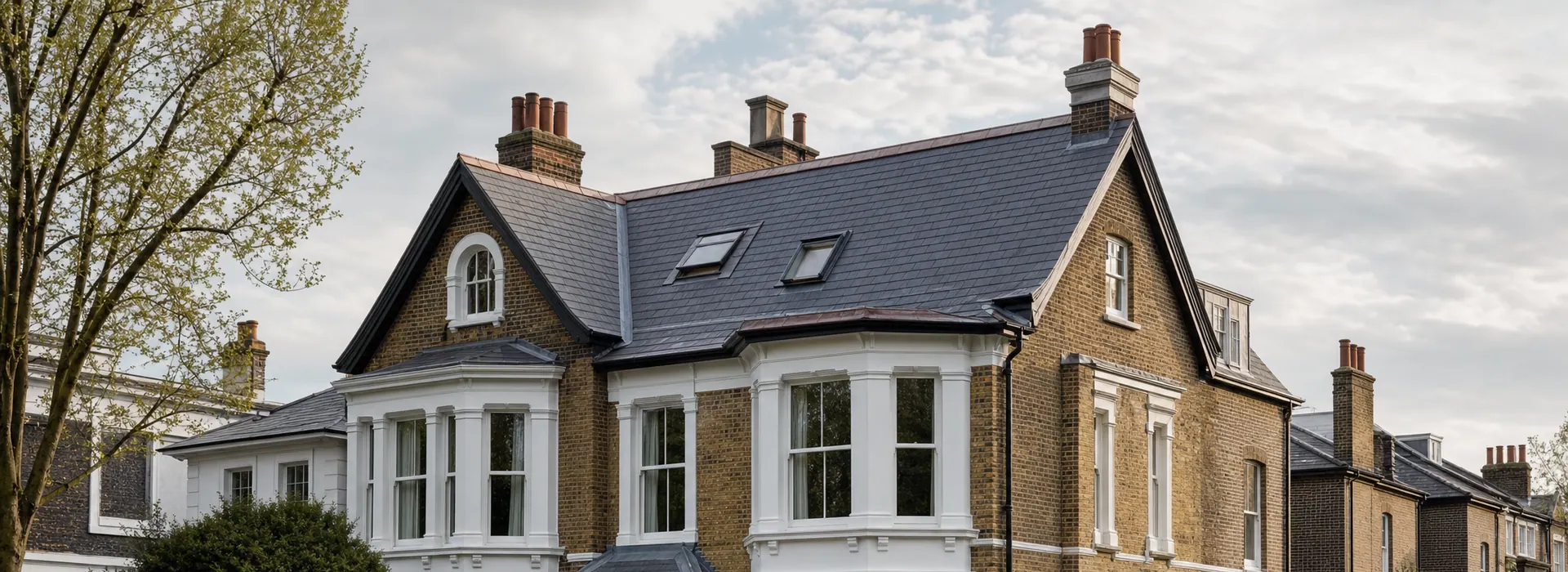
Period homes
Older Homes Need a Considered Roofing Approach
A period property does not need to be listed for its roof character and existing construction to matter. Previous repairs, aged materials and later alterations all influence the right approach.
Slate, tile, leadwork, ridges, verges, valleys and abutments are assessed in the context of the existing roof rather than replaced automatically because of age alone.
Where heritage, listed-building or other professional requirements apply, we coordinate the roofing work with the architect, surveyor or specialist adviser appointed to the project.
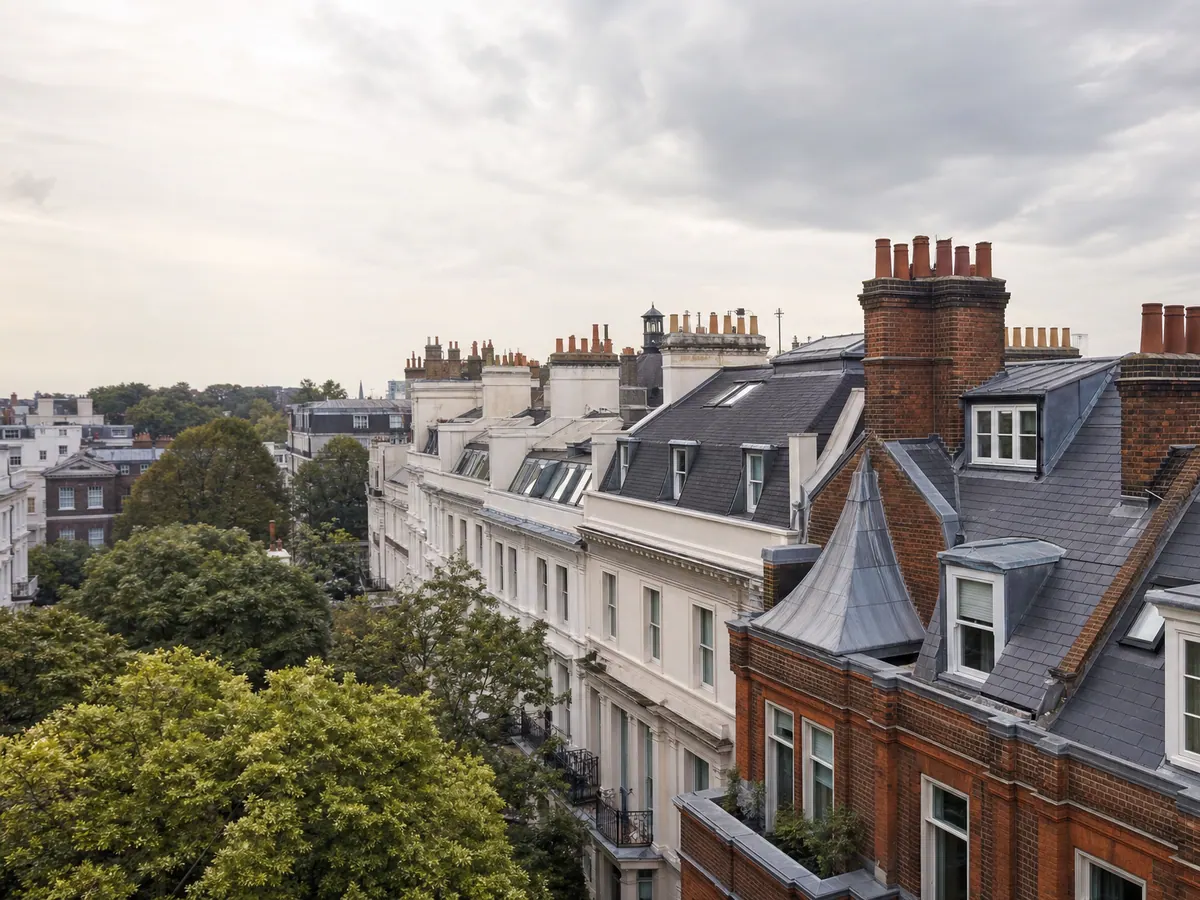
Property character
How an Older Property Shapes the Roofing Approach
The project needs to balance practical roof condition with the visible character and existing construction of the home.
Older Residential Fabric
Roof timbers, coverings, junctions and previous repairs are reviewed before work is planned.
Visible Roof Character
Slate, tile, ridges, verges, leadwork and rooflines can contribute materially to the appearance of the property.
Not Always Listed
A period home can require careful treatment even when it is not a listed building.
Material Compatibility
Retained and replacement materials are selected to work together with the existing roof.
Sensitive Refurbishment
Roofing may form part of a wider residential refurbishment where interiors, access and neighbouring property matter.
Professional Input Where Required
Architects, surveyors or specialist advisers may be involved where project requirements need additional direction.
Existing fabric
Condition, Repair History and Roof Character Guide the Work
Recommendations follow an inspection of the roof, not assumptions based on the age of the property.
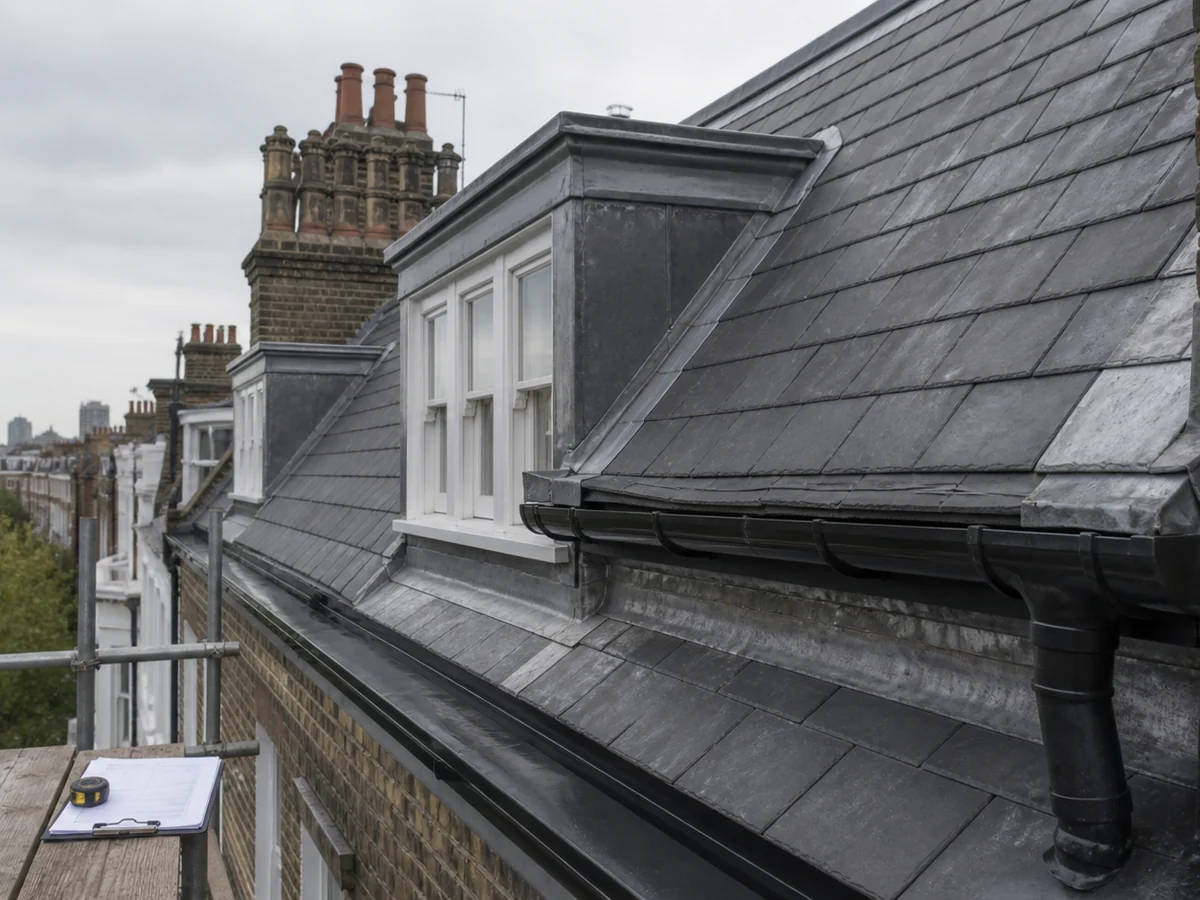
Condition review
Put Previous Work and Current Defects in Context
Multiple repair phases, aged coverings, deteriorated leadwork or mixed materials can affect whether a local intervention or wider refurbishment is appropriate.
- Repair history
- Visible condition
- Material mix
Character-led decisions
Appearance Matters Alongside Weathering Performance
Ridges, verges, roof slopes, abutments and prominent elevations are considered so the proposed work remains appropriate to the building.
- Roof profile
- Visible elevations
- Traditional detailing
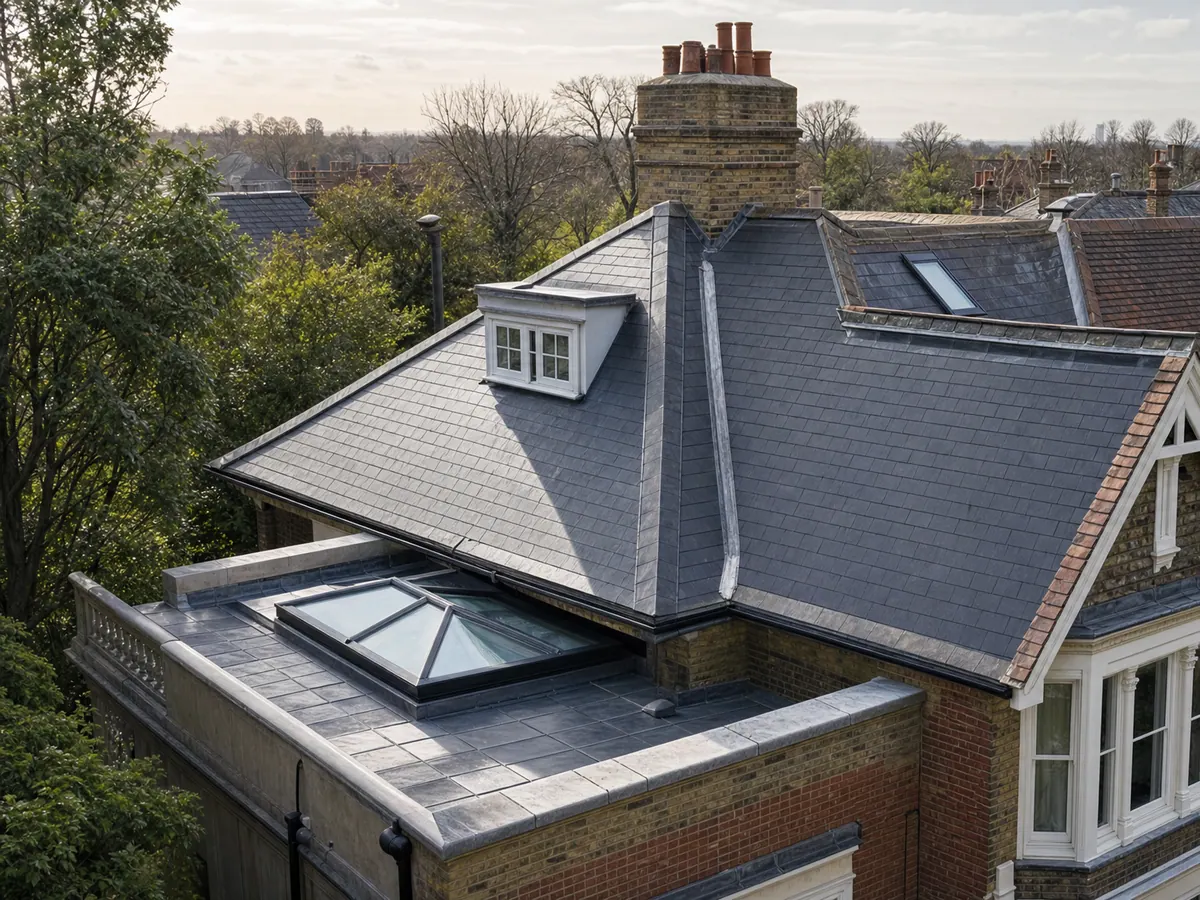
Careful boundaries
Older Roofs Can Reveal More Once Work Begins
Assumptions and limits should remain clear because concealed construction and previous repairs are not always visible during the initial review.
Hidden Conditions
Defects behind coverings or at junctions may only become clear after controlled opening-up is agreed.
Material Retention
Existing slate or tile is retained only where condition and project requirements make that appropriate.
Leadwork Interfaces
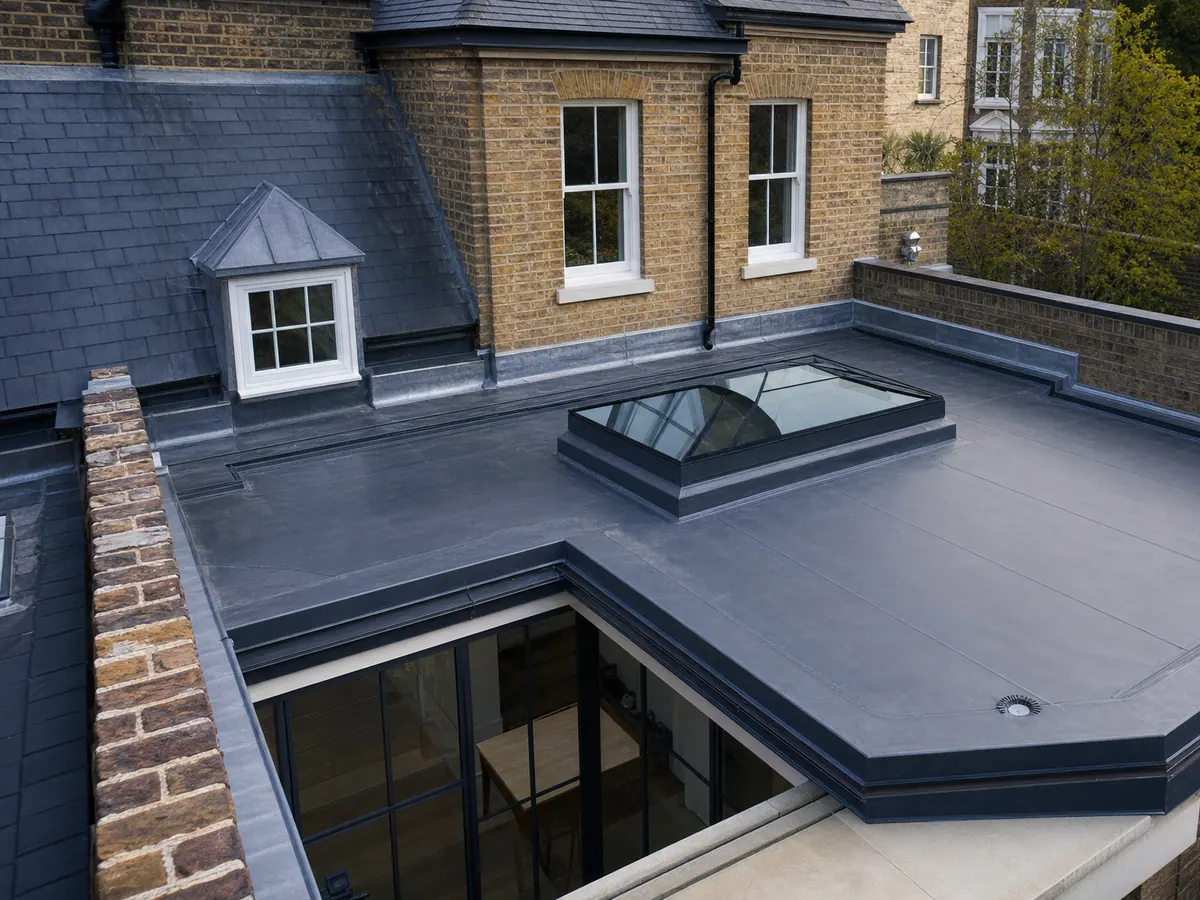
Flashings, valleys and abutments can be central to both weathering and period roof character.
Occupied-Property Care
Interiors, access routes and finishes may affect protection and sequencing.
Conservation Sensitivity
Some period properties may also require a heritage-led approach or listed-building advice.
Condition-Led Advice
The roofing recommendation follows inspection, access and the construction of the roof.
Roofing details
Roofing Work Around Older Residential Homes
The work required depends on condition, materials, visual character and the wider refurbishment plan.
Roof coverings
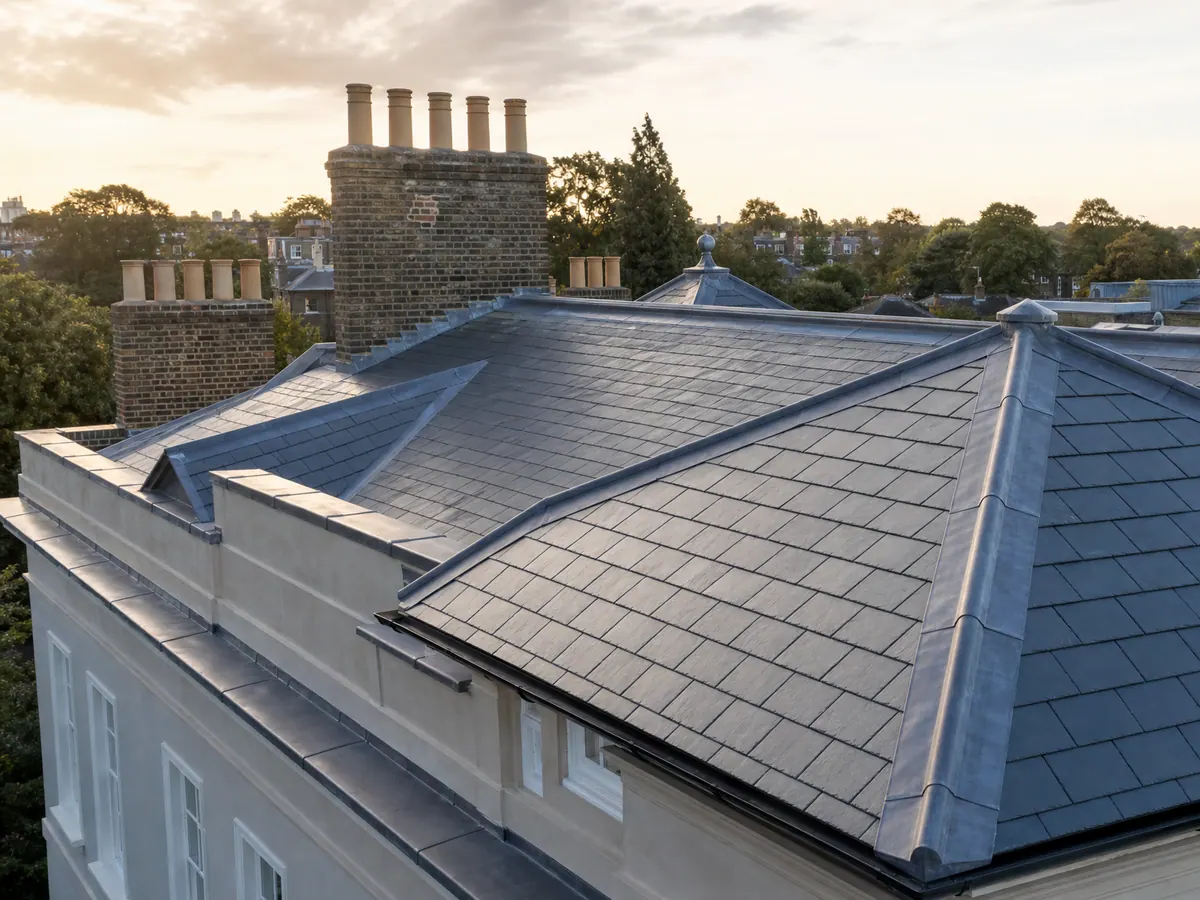
Slate or Tile Condition and Matching
Covering decisions are reviewed around condition, compatibility, matching considerations and the visual character of the existing roof.
- Material condition
- Matching considerations
- Visual character
Roof details
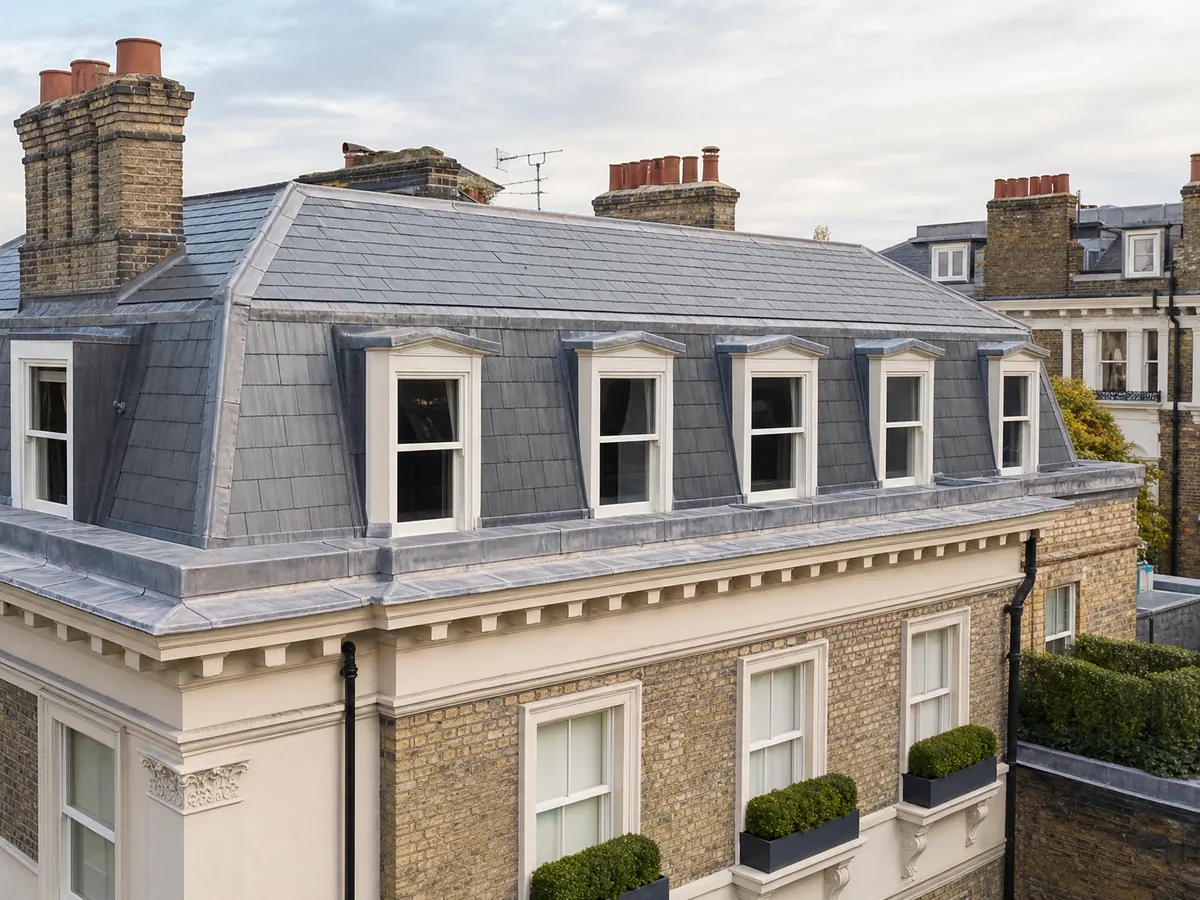
Ridges, Verges, Valleys and Abutments
Edges and junctions need careful treatment because relatively small changes can affect both weathering and the overall roof character.
- Ridges and verges
- Valleys
- Abutments
Wider refurbishment
Coordinate Roofing With the Rest of the Property
Where the period home is being refurbished, roofing can be aligned with access, interiors, insulation and other trades.
- Wider refurbishment
- Access planning
- Other trades
Professional context
Use Additional Advice Where the Property Requires It
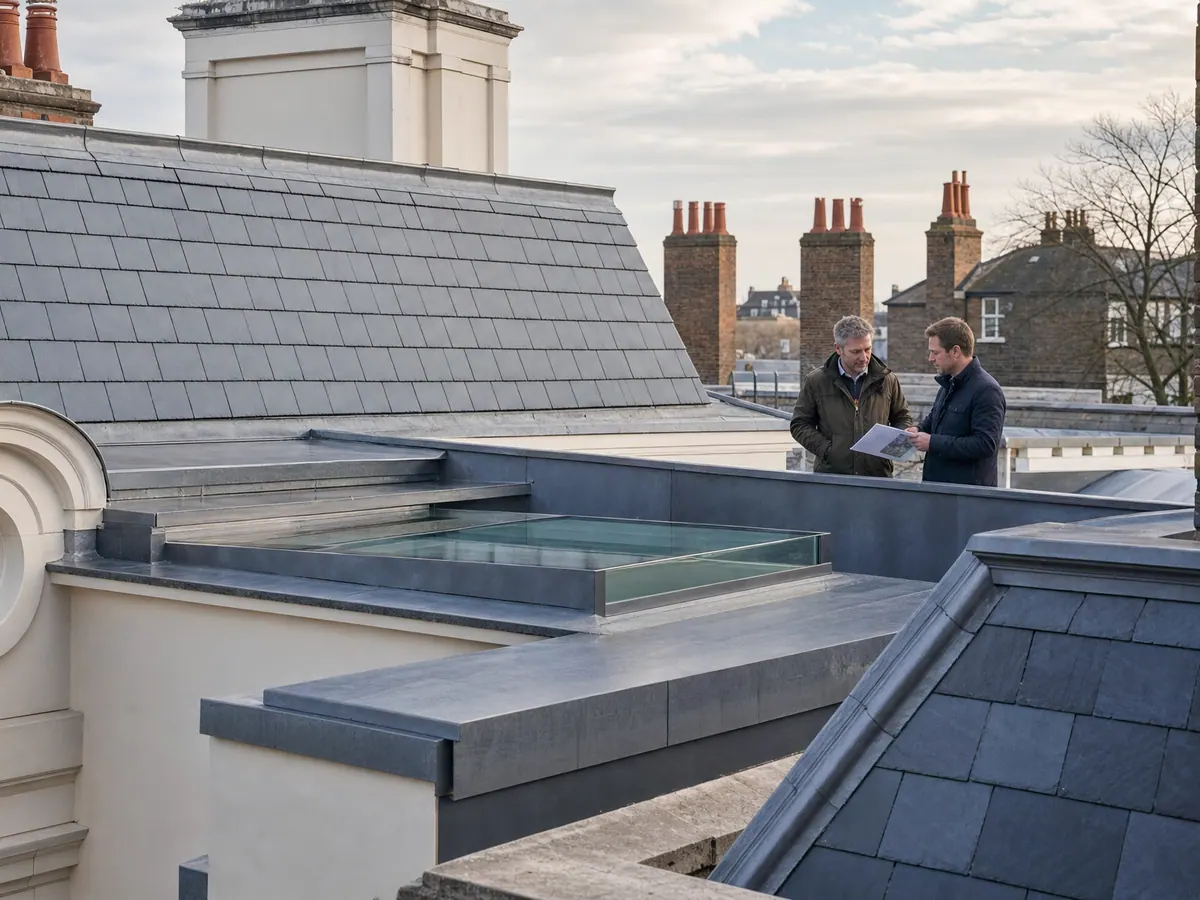
Architects, surveyors, conservation advisers or statutory input may be relevant where the property or proposed work creates those requirements.
- Professional input
- Project requirements
- Statutory context where applicable
Protection
Careful Delivery Around Older Residential Homes
Property protection, weather planning, communication, workmanship checks and handover remain visible throughout the project.
Clear Proposal
The roofing work, assumptions and limits are set out clearly.
Survey-Led Planning
Visible condition, access and the character of the property shape the proposed work.
Quality Control
Coverings and roof details are reviewed at appropriate stages.
Property Protection
Occupied areas, finishes, gardens and access routes are considered.
Clear Communication
Decisions and changes are routed through the appropriate client or project-team contacts.
Handover
Completion information and relevant aftercare are addressed at project close.
Period Property FAQs
Period Property Roofing Questions
-
No. This page covers older residential properties where existing roof fabric and character matter whether or not listed-building status applies.
-
Yes, where condition, compatibility and the agreed project requirements support retention.
-
This page explains the older-property project context. The heritage service page explains the roofing approach and constraints for conservation-sensitive work.
-
Yes. We coordinate roofing with architects, surveyors and other appointed professionals where the property requires it.
-
Provide the property location, known age or style, roof material, visible issues, previous repair information, approximate timing and any drawings or reports available.
Next Steps
Discuss Roofing for a Period Property
Send the property age or style where known, roof material, visible issues, previous repair information, project timing and any professional input already available.