
The short answer
Buildings insurance can cover insured events such as storm damage where the policy includes that peril, but it is not a roof-maintenance contract. Cover, excesses and exclusions vary, and wear, gradual deterioration or pre-existing defects may be treated differently from sudden insured damage.
The insurer decides the claim, not the roofing contractor. For storm disputes, the Financial Ombudsman says insurers commonly consider whether a storm occurred, whether the damage is consistent with storm conditions and whether the property’s pre-existing condition materially contributed. A contractor can document visible condition and repair requirements without promising the coverage outcome.
- Read the policy wording.
- Notify the insurer promptly where a claim may be made.
- Keep photographs and dates.
- Separate temporary protection from permanent repair.
Evidence insurers may ask for
Useful evidence includes dated photographs of internal and external damage, the date and circumstances in which it was discovered, affected rooms or finishes, previous roof repairs or maintenance, survey notes and records of any emergency or temporary work.
Keep observations factual and separate visible damage from an assumed cause. If it is safe and practical, contact the insurer before permanent repair so you know whether they want an inspection or specific evidence; do not delay reasonable temporary action needed to prevent damage becoming worse.
- Photograph damage before and after temporary measures.
- Keep invoices and reports.
- Record who inspected the roof and when.
- Avoid presenting assumptions as confirmed causes.
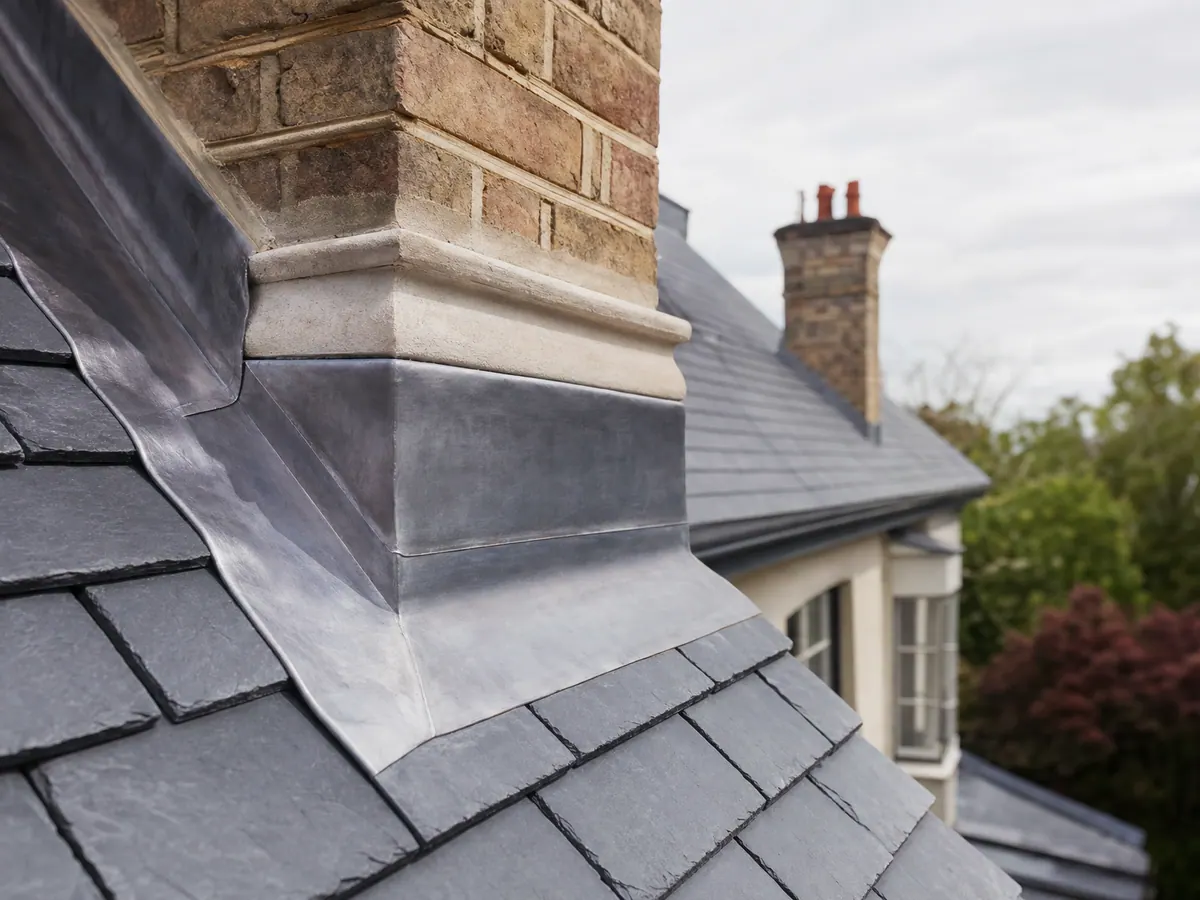
Temporary risk reduction is different from permanent repair
Temporary measures can reduce further water entry or secure an immediate hazard while the claim and permanent scope are assessed. The Association of British Insurers advises contacting the insurer’s emergency line first where possible and keeping receipts for necessary temporary repairs.
Photograph the condition before and after temporary work, keep receipts and do not treat an emergency patch as proof of the permanent repair scope. Permanent work should address the diagnosed defect and the surrounding roof condition after any insurer inspection requirements are understood.
- Use safe temporary measures only where appropriate.
- Keep records of temporary work.
- Confirm whether the insurer needs inspection before permanent repair.
- Ask how hidden conditions or variations will be handled.
What ER Group London can and cannot do
ER Group London can inspect accessible roofing areas, record visible defects and limitations, separate emergency protection from permanent repair, and provide photographs, scope or quotation information for the homeowner to share with the insurer where relevant.
ER Group London does not interpret the policy on the insurer’s behalf, act as a loss adjuster, decide liability or guarantee reimbursement. If the insurer disputes cover, use the insurer’s complaints process and obtain independent insurance or legal advice where needed.
- Contractor scope and insurer assessment are separate.
- Policy decisions remain with the insurer.
- Legal or coverage disputes require the appropriate adviser.
- Repair proposals should state assumptions clearly.
Checklist
Insurance preparation checklist
Prepare evidence that helps the insurer and any contractor understand the event, condition and temporary risk-reduction measures.
- Policy wording and claim reference if available
- Date the issue was first noticed
- Weather or event history
- Internal and external photographs
- Previous repair or maintenance records
- Any insurer inspection requirements
- Temporary protection already arranged
- Rooms, finishes or possessions affected
FAQs
Roof repair insurance questions
-
No. Coverage depends on the policy and insurer assessment. ER Group London can keep repair information factual and bounded.
-
If you intend to claim, contact the insurer promptly and ask what evidence or inspection they require before permanent work. Necessary temporary measures to prevent further damage should be recorded with photographs and receipts.
-
Dates, photographs, weather context, visible condition, previous repair records and any inspection notes are usually more useful than assumptions.
-
Yes, it can. Home insurance is not intended to replace routine maintenance, and wear or gradual deterioration may fall outside cover. The insurer must still assess the actual cause and policy wording for the claim rather than treating roof age alone as the decision.
Next Steps
Discuss roof repair evidence for a real property
Share the insurer's requirements, photographs, dates, reported cause and any temporary protection already arranged so the repair conversation stays properly bounded.