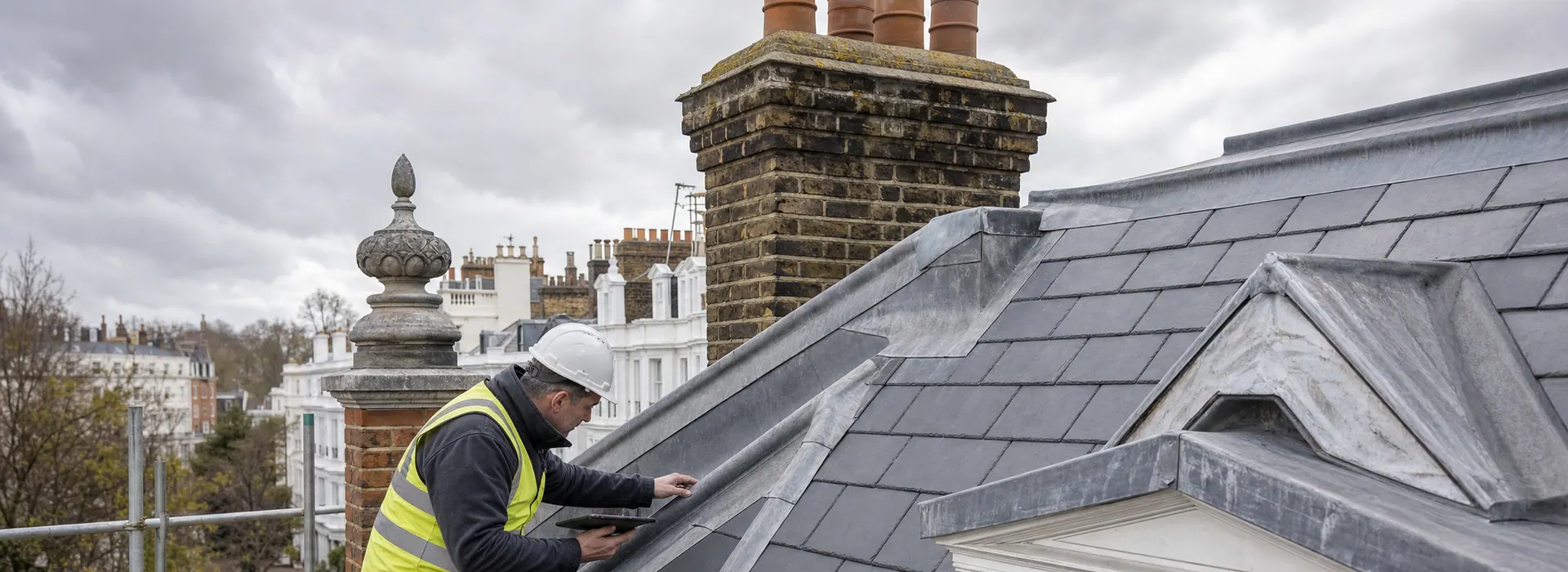
Roof Replacement & Re-roofing London
Roof Replacement and Re-roofing for Private Homes
Complete roof renewal
Replace the whole roof only when the evidence justifies it
A leak does not automatically mean that a roof needs replacing. Local defects can often remain repairable where the surrounding covering, fixings, substrate and junctions are still serviceable.
Complete re-roofing becomes more proportionate where deterioration is widespread, repeated repairs no longer hold, several connected details have reached a similar condition or the project requires a planned full renewal.
The replacement scope should define what is removed, what can remain, how the new covering connects to leadwork, drainage, rooflights, insulation and adjoining construction, and which conditions can only be confirmed after opening-up.
ER Group London undertakes roof replacement and re-roofing for private, period and high-value homes where careful access, technically correct detailing and property protection matter.
Replacement triggers
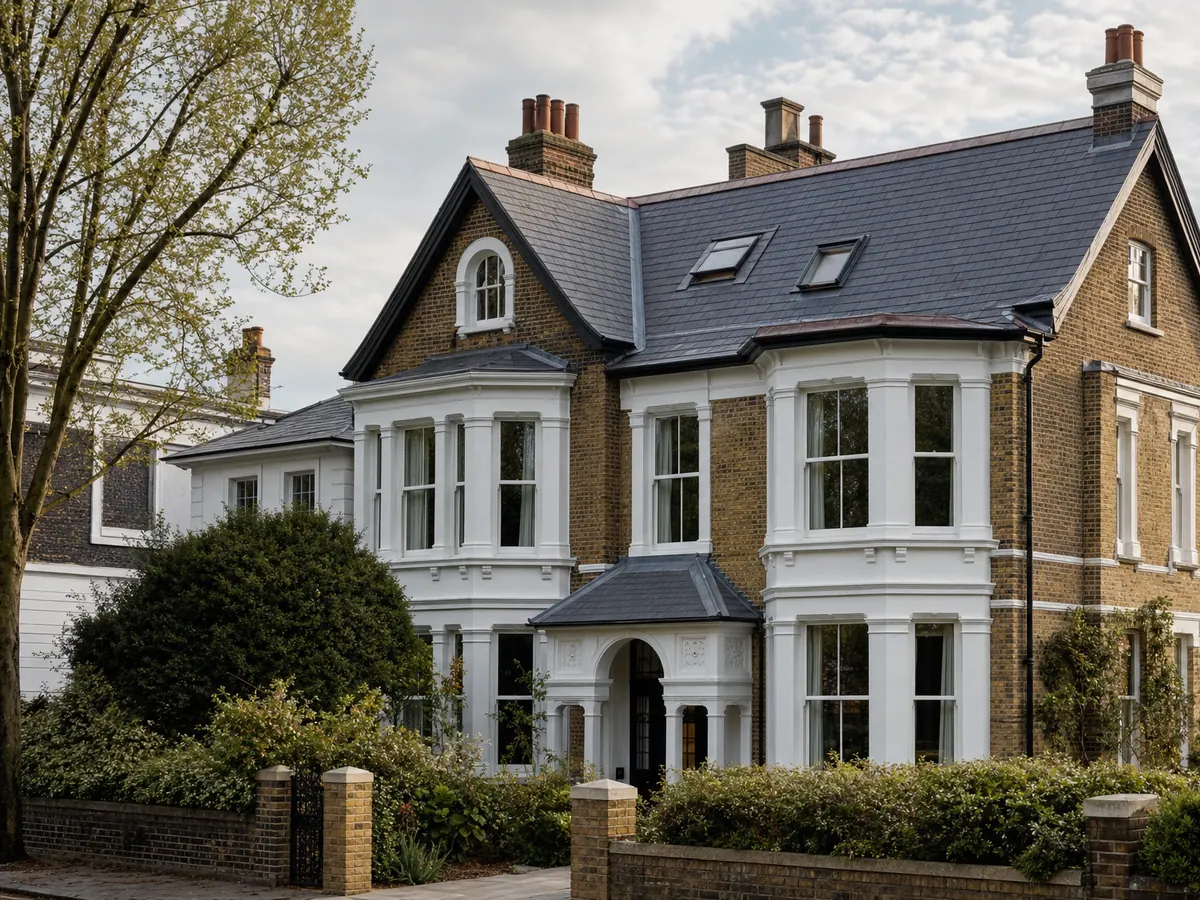
When complete roof renewal may be the better route
The decision should follow roof condition and project requirements rather than age or a single visible symptom alone.
Widespread Covering Failure
Slate, tile or other covering defects across a substantial area can make repeated local replacement increasingly ineffective.
Repeated Repairs
Several repair campaigns that no longer hold can indicate that the wider roof construction needs reassessment.
Broader Fixing Deterioration
Loose or failing coverings across a slope may point to a condition that cannot be resolved by replacing isolated units alone.
Several Connected Defects
Coverings, valleys, flashings, parapets, outlets or drainage details can reach a similar condition and justify one coordinated renewal scope.
Project-Led Full Renewal
A wider residential refurbishment may require complete roof renewal to coordinate materials, build-up, rooflights, drainage or other interfaces.
Heritage or Appearance Requirements
On period, listed or conservation-area homes, the replacement route may need to follow approved materials, drawings or other project-specific requirements.
Assessment & scope
Define why the roof is being replaced and what the renewal includes
A full replacement proposal should separate observed condition, assumptions, retained fabric, planned renewal and conditions that remain concealed.
Condition review
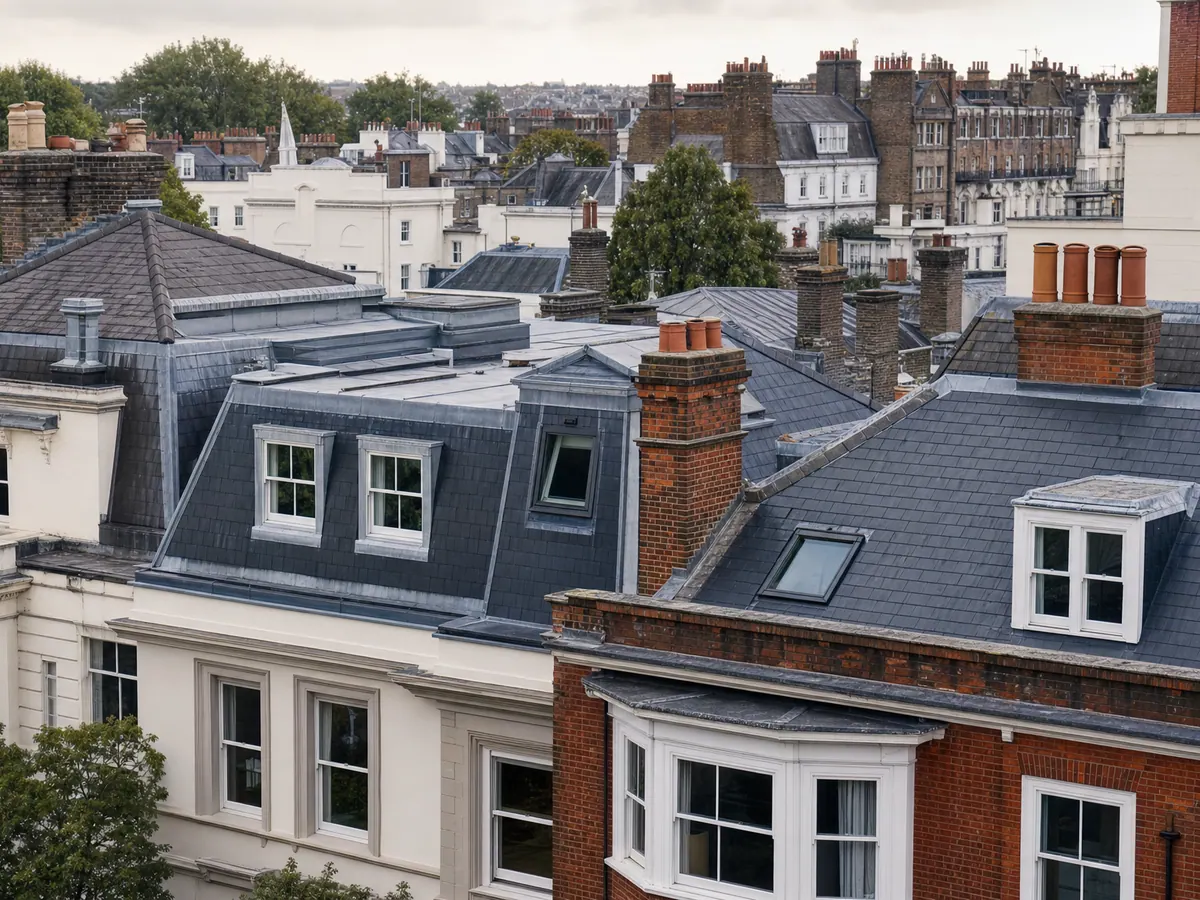
Confirm that replacement is proportionate
Visible covering condition, previous repairs, junctions, drainage, access and the pattern of defects should be reviewed before a complete re-roof is recommended.
- Covering condition
- Previous repairs and patching
- Fixings, movement and visible deterioration
- Junctions and drainage
- Leadwork, valleys and roof edges
- Inspection limitations
Renewal boundary
Define what is removed, retained and renewed
The agreed scope should identify the main covering, associated weathering details and any retained construction so the project is not described more broadly than the work actually includes.
- Main roof covering
- Retained fabric where suitable
- Leadwork and junctions
- Ridge, verge and edge details
- Drainage interfaces
- Areas subject to opening-up
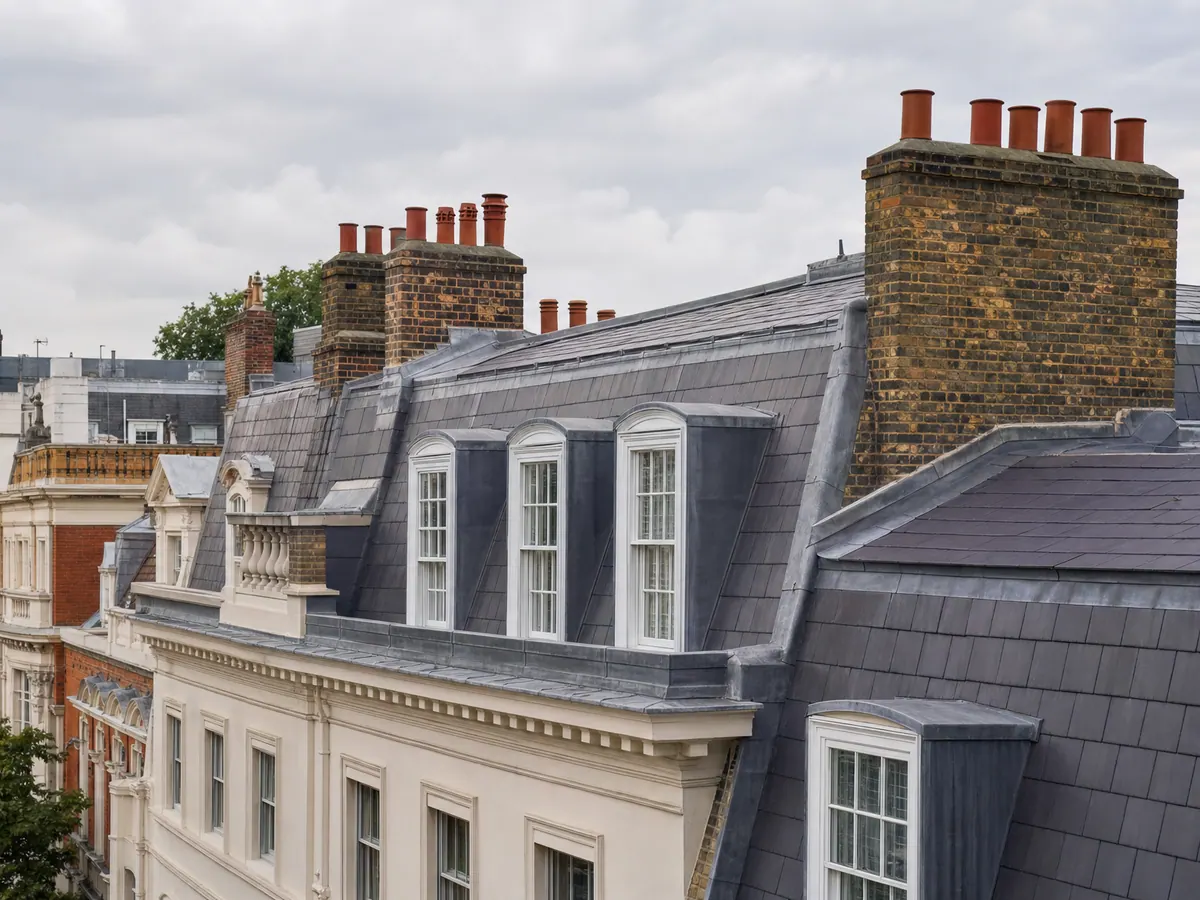
Opening and protection
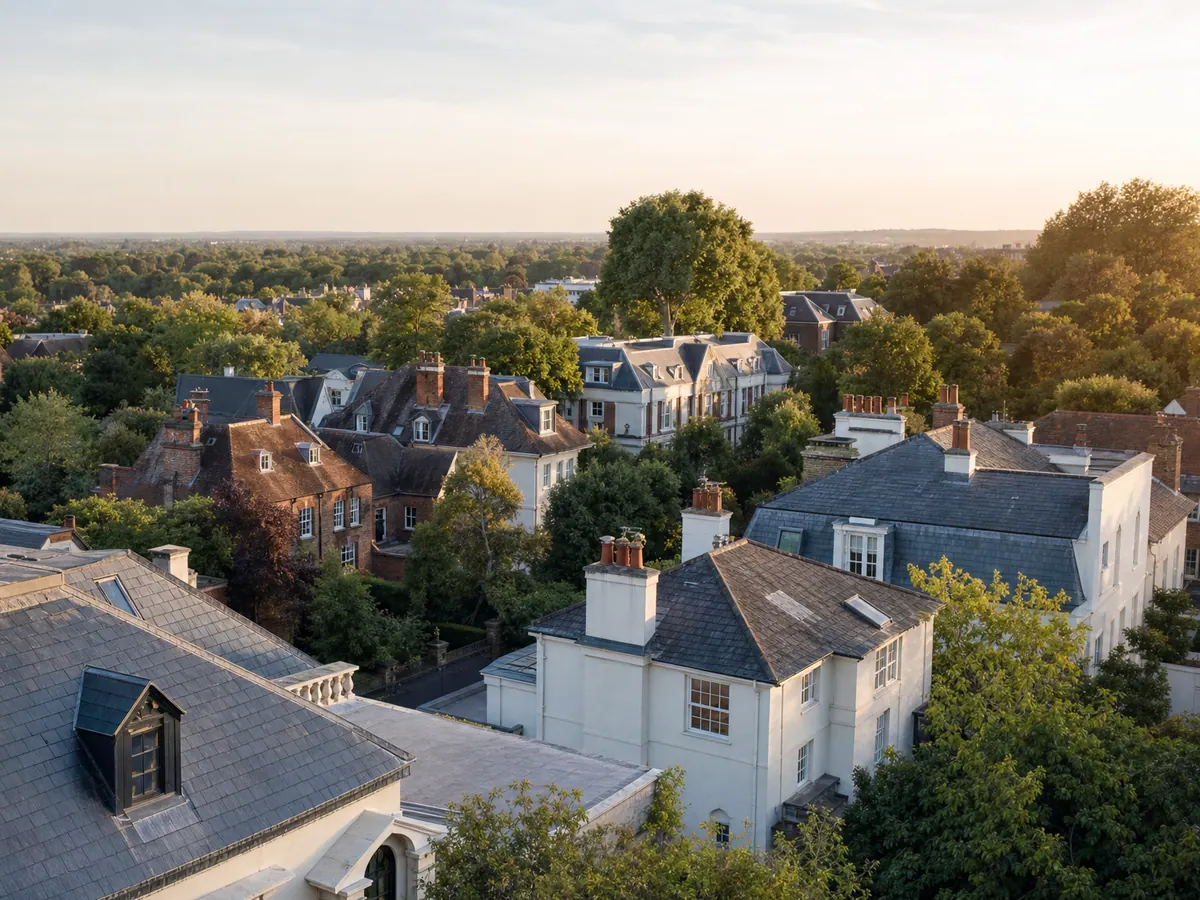
Plan how the existing roof is opened and closed again
Strip sequence, temporary weathering, material movement and protection of the occupied property should be considered before vulnerable roof areas are exposed.
- Phased opening
- Temporary weathering
- Scaffold and access planning
- Interior and exterior protection
- Material logistics
- Weather and programme risk
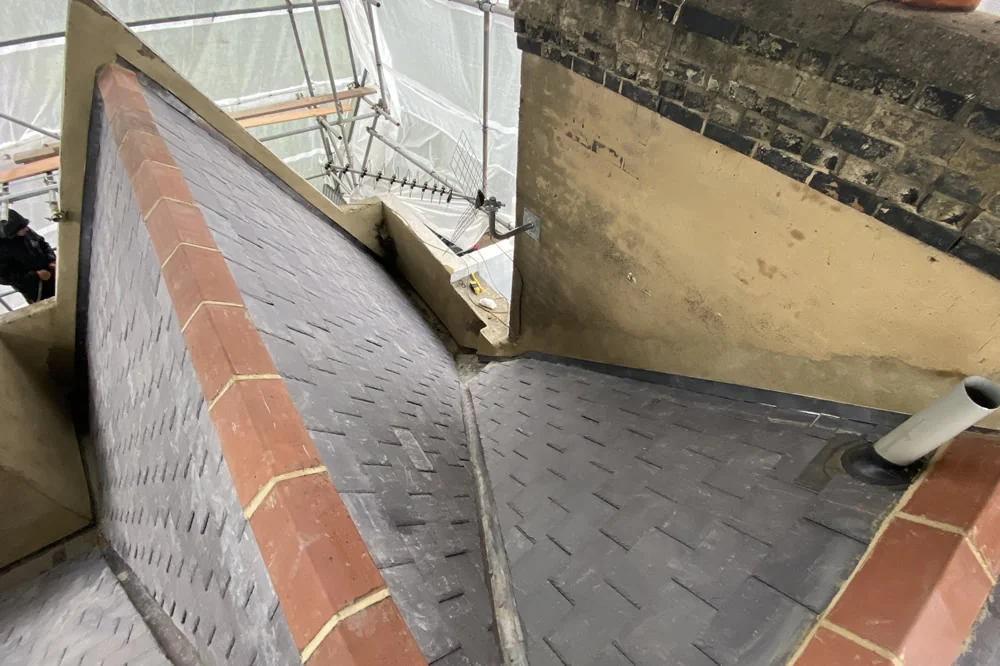
Verified Grade II* roof replacement
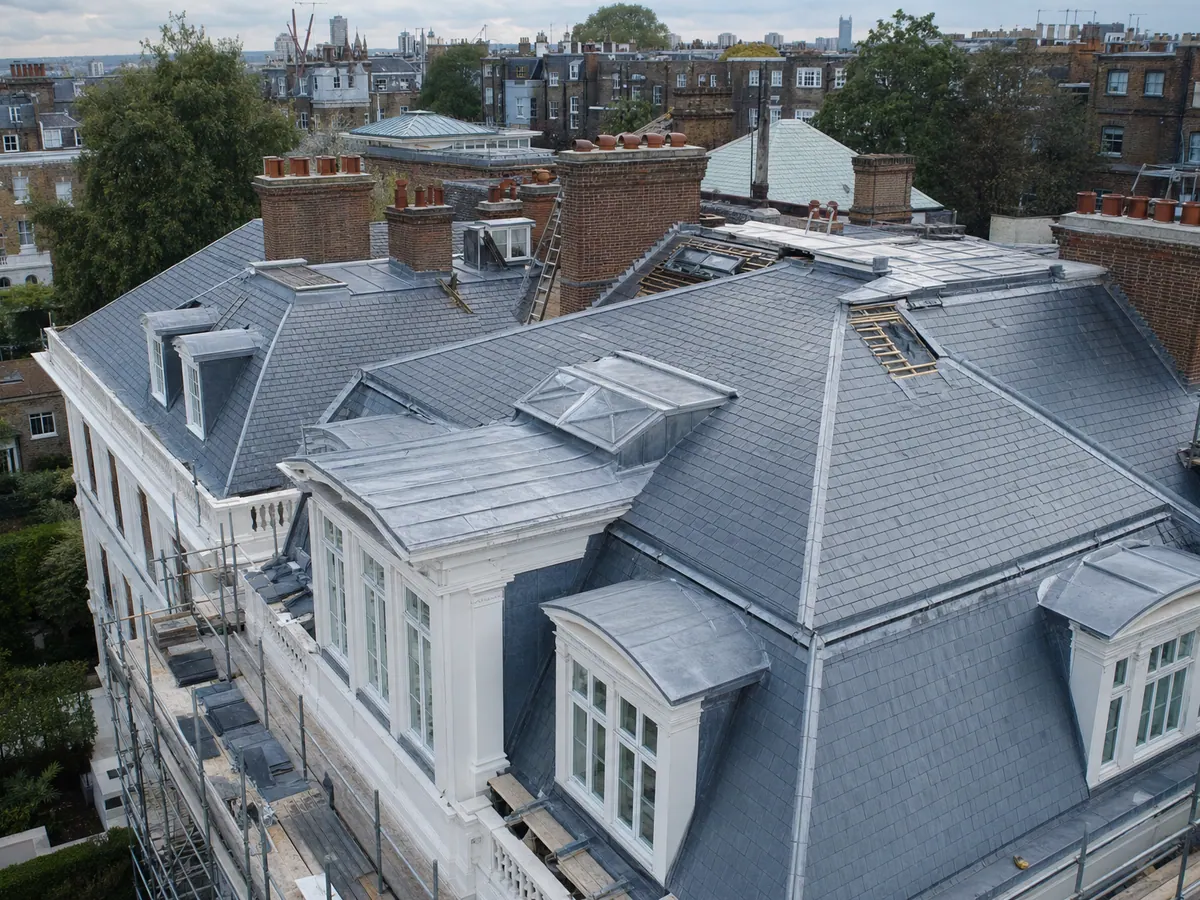
Lonsdale Square: natural Welsh slate roof replacement
At Grade II* listed Lonsdale Square, ER Group London replaced an inappropriate man-made slate roof with natural Welsh slate after the required approval process. Opening-up also led to structural remedials, insulation, renewed leadwork and parapet repairs within the completed roof replacement.
- Grade II* listed terrace
- Natural Welsh slate
- Structural remedials and insulation
- Renewed leadwork
- Parapet repairs
- Documentary project photography
Project constraints
A complete re-roof still depends on the property around it
Access, concealed condition, weather exposure, heritage requirements and adjoining construction can materially affect how the replacement is designed and delivered.
Concealed Conditions
Decks, battens, timbers, fixings or other construction may reveal additional defects only after coverings are removed.
Access & Neighbours
Scaffolding, shared boundaries, gardens, entrances and neighbouring roofs can influence site planning.
Weather Exposure
The programme needs realistic temporary protection while old coverings are removed and new areas are closed in.
Heritage Requirements
Listed or conservation-sensitive properties may require approved materials, drawings or other professional information before the final detail is fixed.
Structural Boundaries
Structural design or engineering decisions remain with appropriately appointed professionals where they are required.
Other Trades
Rooflights, façades, chimneys, drainage, insulation or interior works may need sequencing with the roofing package where they form part of the wider project.
Roof build-up & details
Treat the new covering and its junctions as one roof
The replacement covering only performs properly when ridges, valleys, leadwork, drainage, penetrations and retained construction are coordinated with it.
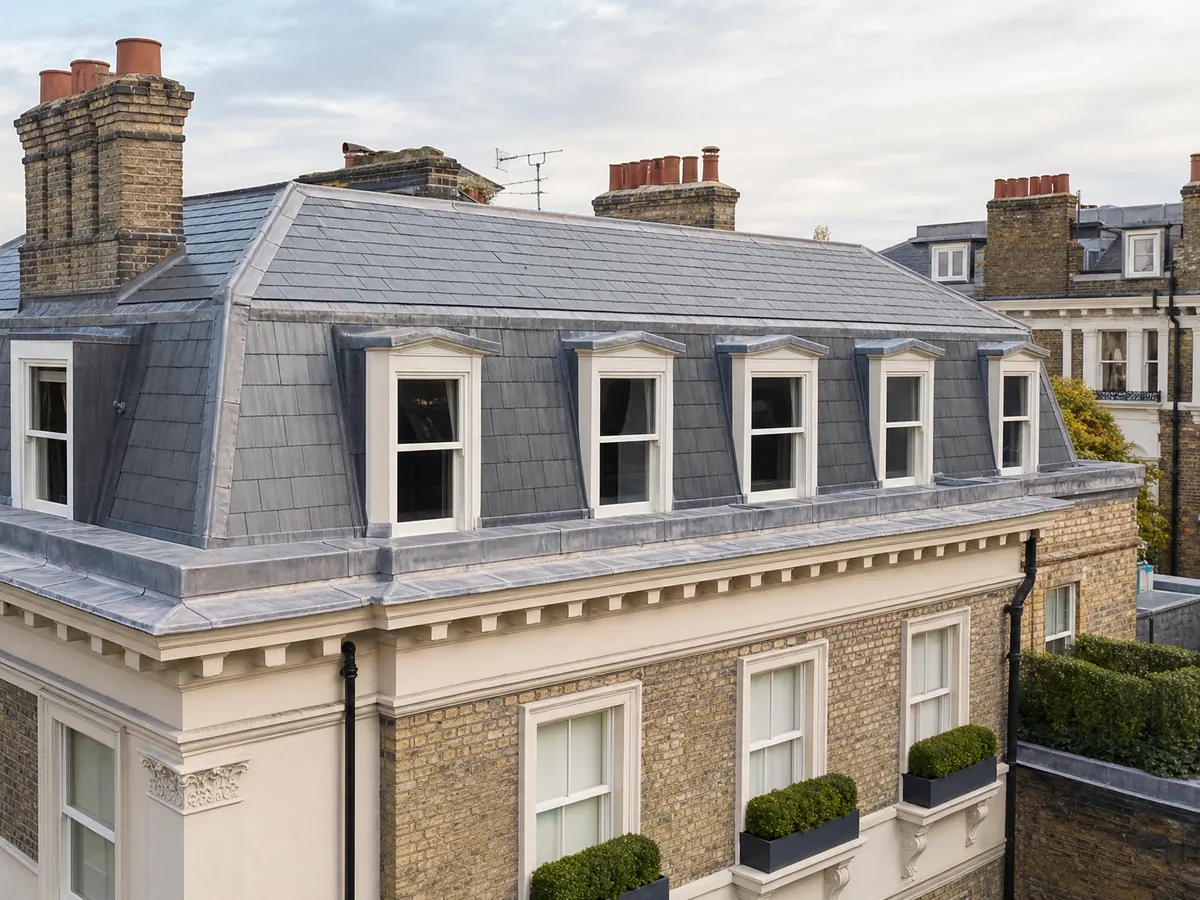
Coverings
Choose the covering for the property and approved scope
Slate or tile selection should respond to the roof pitch, existing character, retained areas and any project-specific material requirements rather than a single standard specification.
- Condition and compatibility
- Pitch and layout
- Slate, tile or agreed covering type
- Visible roof character
- Retained areas and adjoining roofs
- Heritage or conservation requirements where relevant
Weathering details
Renew leadwork and drainage where the scope requires it
Valleys, flashings, abutments, gutters, parapets and outlets should be considered with the replacement covering so water has a coherent route through the renewed roof.
- Flashings and valleys
- Gutters and outlets
- Parapets and abutments
- Chimneys and dormers
- Rainwater goods
- Roof-edge weathering
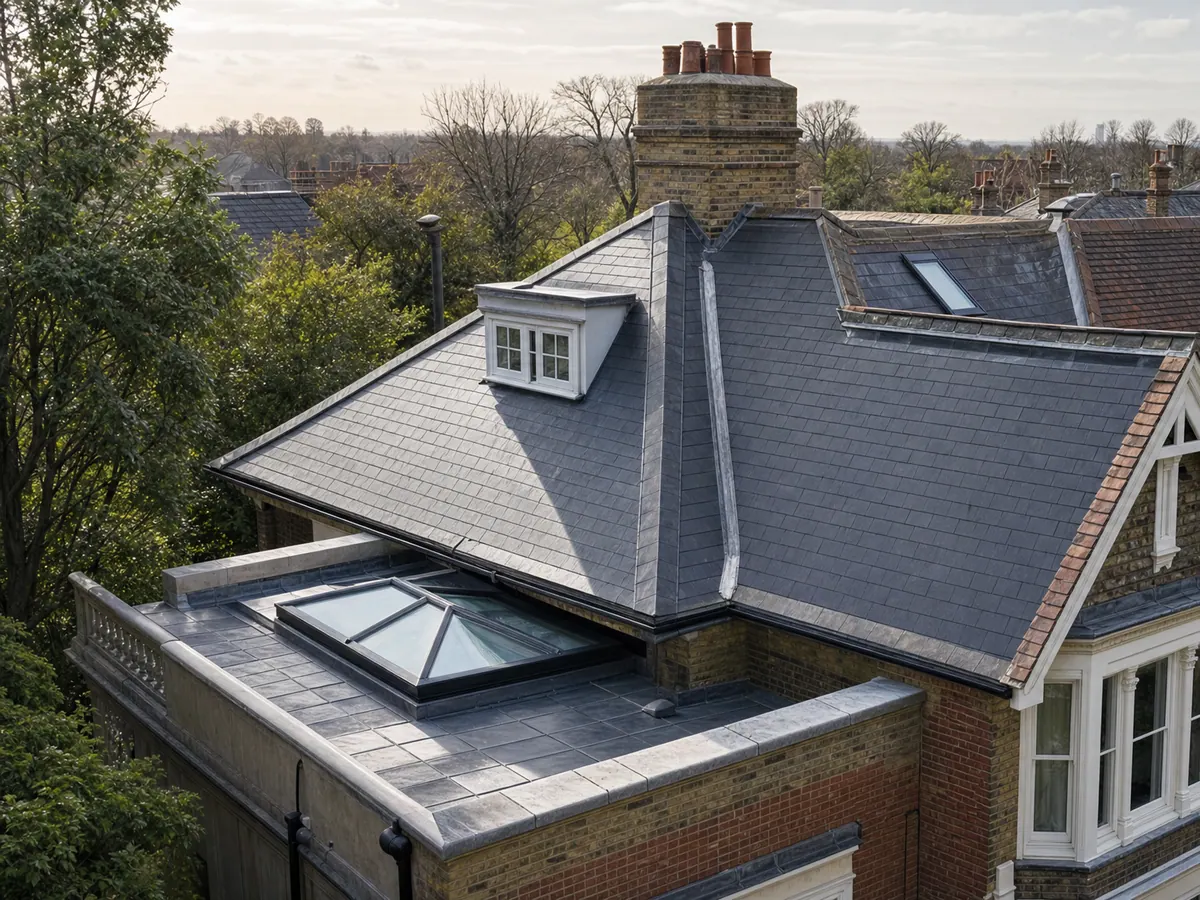
Roof build-up
Coordinate insulation and moisture control where they are in scope
Where the project includes insulation, ventilation or vapour-control work, those elements need to be coordinated with the existing construction and the proposed roof build-up.
- Existing construction
- Scope-dependent insulation
- Ventilation or vapour control where required
- Cold roof or warm roof considerations
- Moisture-risk review
- Building-control route where applicable
Openings & penetrations
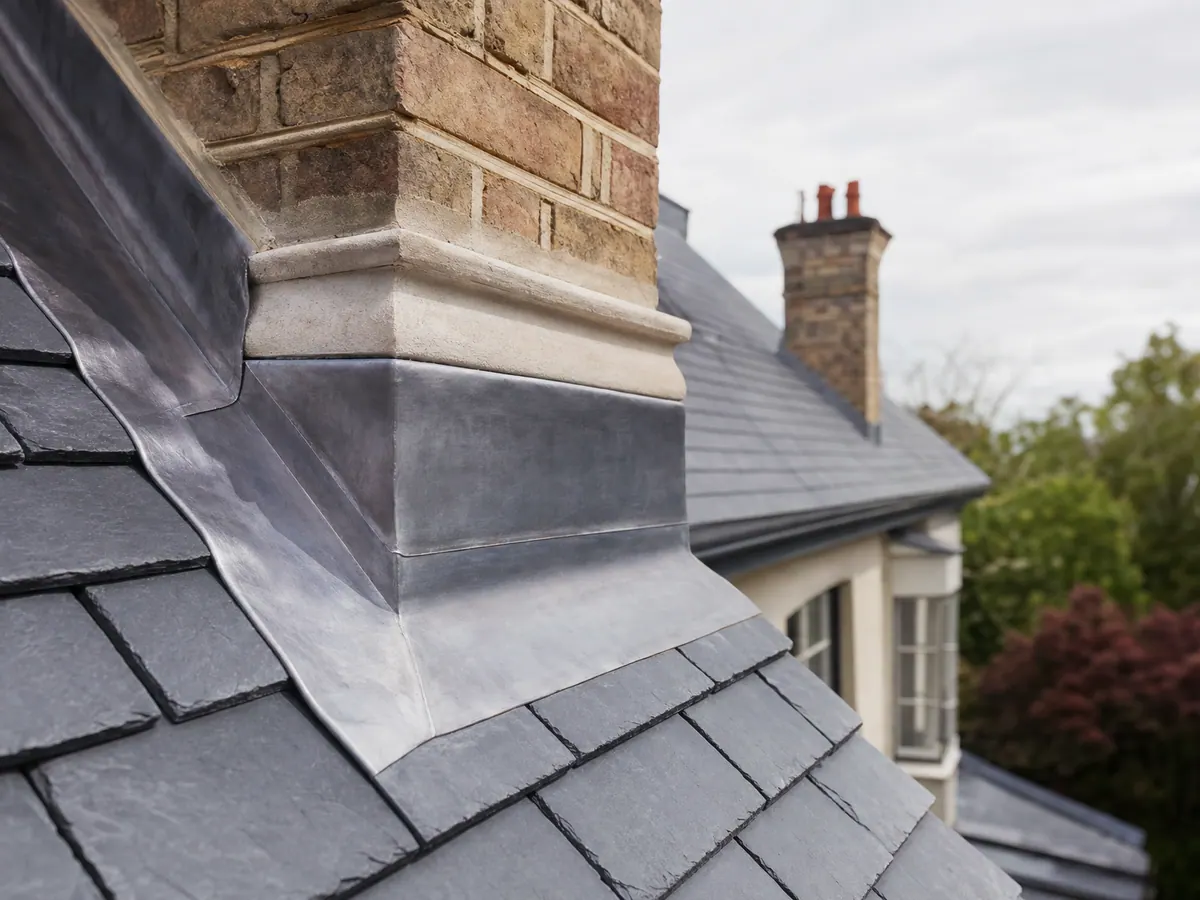
Resolve rooflights, chimneys and other intersections
Rooflights, chimneys, dormers, walls and service penetrations create changes in level and material that need to be detailed with the new covering rather than left as separate afterthoughts.
- Rooflights and dormers
- Chimneys and walls
- Service penetrations
- Abutments and parapets
- Leadwork interfaces
- Rainwater movement
Replacement delivery
Keep the renewal scope controlled from opening to handover
Complete roof replacement increases exposure and coordination risk, so protection, staged checks and clear decisions remain important throughout the programme.
Defined Scope
Removal, retained fabric, replacement work, assumptions and exclusions remain clear.
Temporary Weathering
Opening and closing roof areas are sequenced around exposure and the vulnerability of the property below.
Property Protection
Interiors, access routes, gardens, glazing and external finishes are considered during delivery planning.
Detail Checks
Coverings, junctions and drainage details are reviewed at appropriate stages before they become difficult to inspect.
Recorded Changes
Concealed conditions and resulting scope changes are explained and agreed rather than absorbed into vague additional work.
Handover
Outstanding items and relevant maintenance or aftercare information are addressed at project close.
Roof Replacement FAQs
Roof Replacement & Re-roofing Questions
-
No. A local repair can remain appropriate where the defect can be identified and the surrounding roof is still serviceable. Complete replacement should follow evidence of wider deterioration or a project requirement for full renewal.
-
A refurbishment can combine retained and renewed roof elements across a broader scope. Complete re-roofing replaces the principal covering across the agreed roof area and may also include associated junctions and build-up work where specified.
-
Retained areas may be possible where condition, compatibility and the agreed design support them. The decision should follow inspection and any project-specific material requirements.
-
Removing coverings can expose concealed defects or construction that could not reasonably be confirmed during the initial visible inspection. Any effect on scope should be recorded and agreed.
-
ER Group London undertakes roofing for period and listed homes, but the material route and proposed work must follow the approvals and professional information applicable to the individual property.
-
It can. Replacement roof coverings, changes in material weight, insulation upgrades and other thermal or structural questions may require the relevant Building Regulations route to be checked before work proceeds.
-
Send the property address, photographs where safe, the roof type and approximate area, known defects or previous repairs, and any drawings, surveys or heritage information already available.
Roof Replacement Enquiry
Discuss a roof replacement or re-roofing project
Send the property location, roof type, known condition, photographs where safe and any drawings, surveys or previous repair information already available.