The short answer
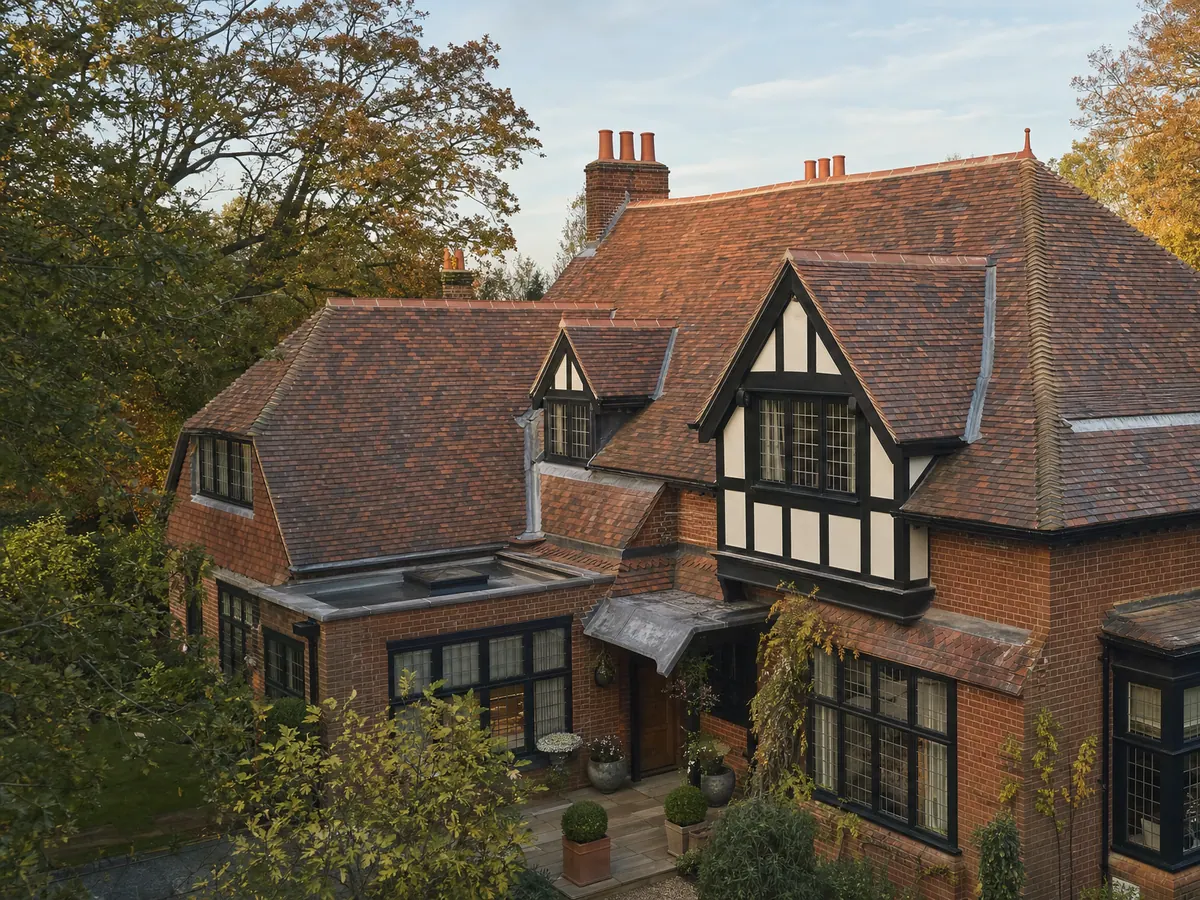
A roof's useful life depends on the complete roof, not just the visible covering. Natural slate, clay tiles, leadwork and flat-roof systems behave differently, and every roof is affected by exposure, fixing, support and detailing.
A roof that looks old may still be serviceable in places; a newer roof can fail early if the build-up, workmanship or drainage is poor.
- Judge condition before age.
- Separate coverings from fixings and support.
- Review junctions and drainage.
- Consider alteration history.
Material is only one factor
Natural slate can remain serviceable long after individual fixings or battens begin to cause slipped slates, while clay tiles may deteriorate through breakage, spalling, fixing problems or failure at ridges, hips and verges. The covering and the components holding and weathering it should therefore be assessed separately.
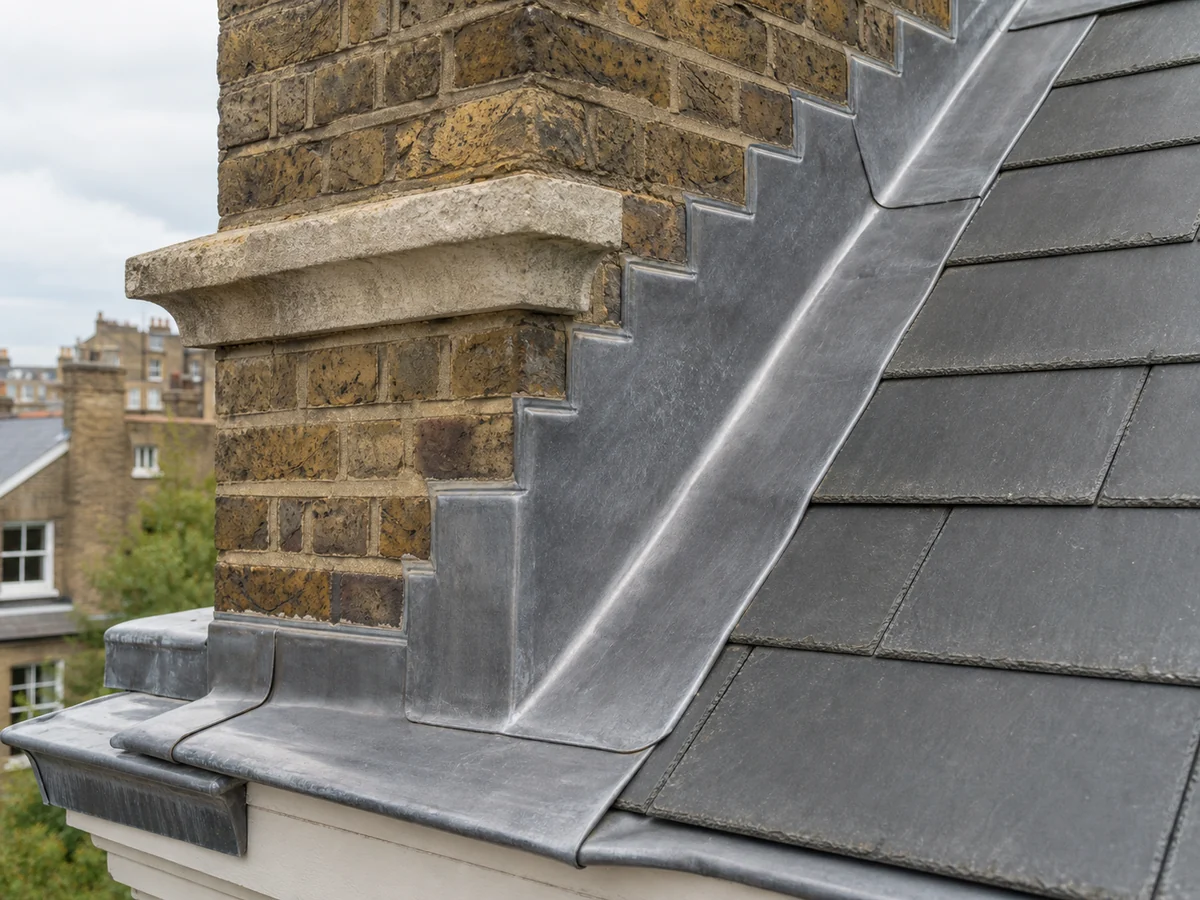
Flat-roof condition depends on the waterproofing system together with the deck, falls, outlets, upstands, insulation and workmanship. Leadwork depends on correctly sized bays or details, movement, support, fixing and junctions. A material name alone cannot provide a meaningful remaining-life figure.
- Slate condition differs from nail or fixing condition.
- Tiles can fail at ridges, hips, verges and junctions.
- Flat roofs rely on build-up and drainage.
- Leadwork needs movement and termination details to be right.
Exposure, detailing and maintenance matter
Wind exposure, tree cover, blocked gutters, ponding, shaded areas, roof traffic, poor access, previous overlays and internal alterations can all shorten useful life or create local defects.
Maintenance does not make a failed roof sound, but it can prevent avoidable problems around drainage, debris and small defects.
- Keep outlets and gutters clear where safely accessible.
- Watch junctions, parapets and rooflights.
- Record repeat defects.
- Do not treat maintenance as a substitute for renewal where the roof has reached that point.
Use inspection to decide the next step
From safe ground-level or internal positions, a homeowner can record recurring slips, broken coverings, overflowing or blocked drainage, staining after rain and a history of repeated repair. Do not climb onto the roof to improve the assessment; inaccessible slopes, concealed fixings, decks and structural timber need appropriate access or inspection.
A condition-led inspection should compare the local defect with the surrounding roof, junctions, drainage and repair history. Local repair is more credible where the adjacent roof remains serviceable; broader refurbishment or re-roofing becomes a stronger discussion where several components are failing or repeated repairs no longer address the underlying condition.
- Ask what was actually inspected, what was inaccessible and what remains uncertain.
- Compare local defects with wider roof condition.
- Consider hidden build-up and previous work.
- Use findings to choose repair, refurbishment or renewal.
Checklist
Roof condition checklist
Use condition indicators rather than a universal age threshold.
- Roof covering type
- Known installation or major repair dates
- Current symptoms and locations
- Photographs of coverings, gutters and internal marks
- Repeated repair records
- Gutter or outlet maintenance history
- Tree cover or exposure issues
- Wider refurbishment or insulation changes
FAQs
Roof lifespan questions
-
No. Published lifespan ranges can be useful background, but they are not a replacement threshold. Material quality, fixings, build-up, workmanship, exposure, drainage, maintenance and repair history can make two roofs of similar age perform very differently.
-
No. Some old roofs remain serviceable in parts, while specific details may need repair or renewal.
-
Yes. Poor detailing, drainage, workmanship, unsuitable build-up or movement can cause early defects.
-
Use a condition-led inspection that reviews coverings, fixings, junctions, drainage, support and internal evidence.
Next Steps
Discuss roof age, condition and repair history
Share the roof type, known age, visible symptoms and repair history so the next step can focus on condition rather than generic lifespan ranges.