Varied Pitched Roofs
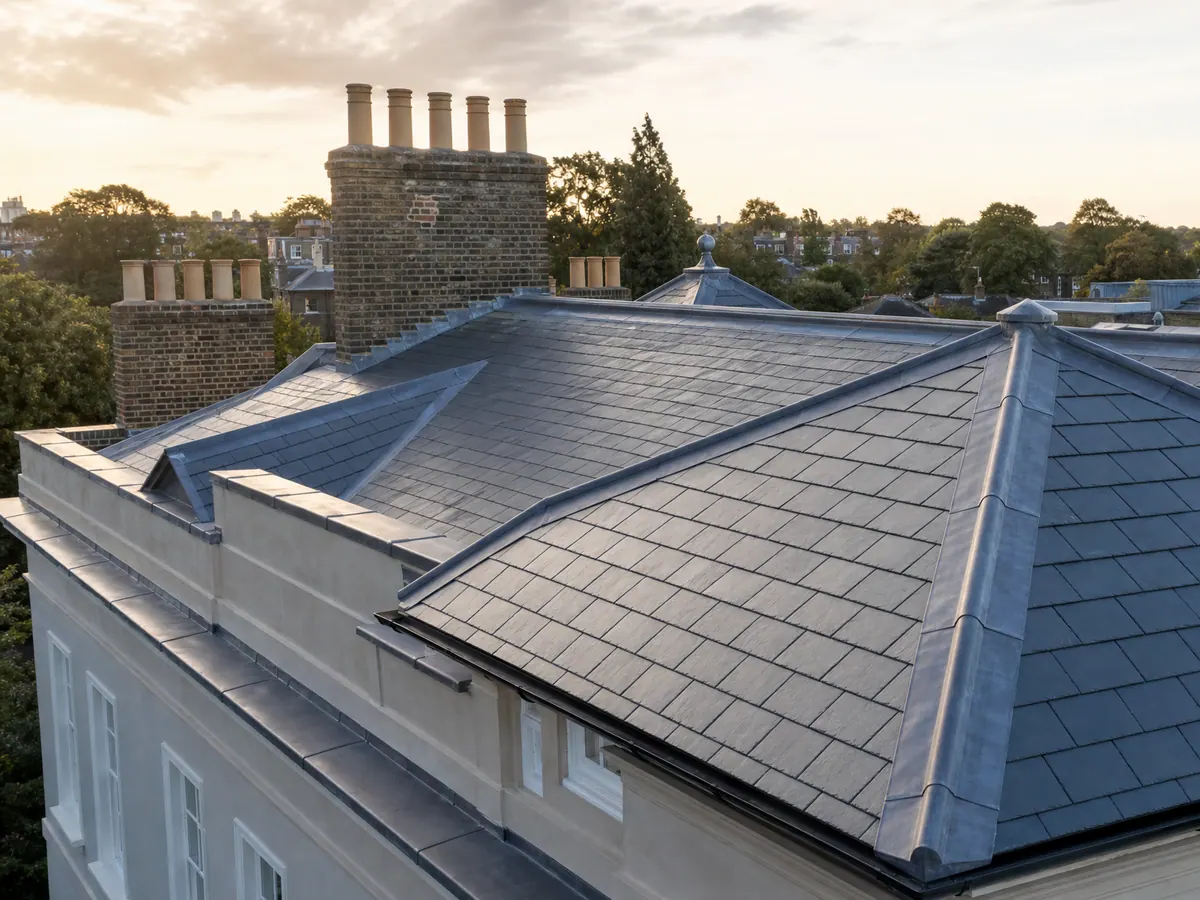
Multiple slopes, valleys, hips, dormers and abutments can make leak tracing more complex.
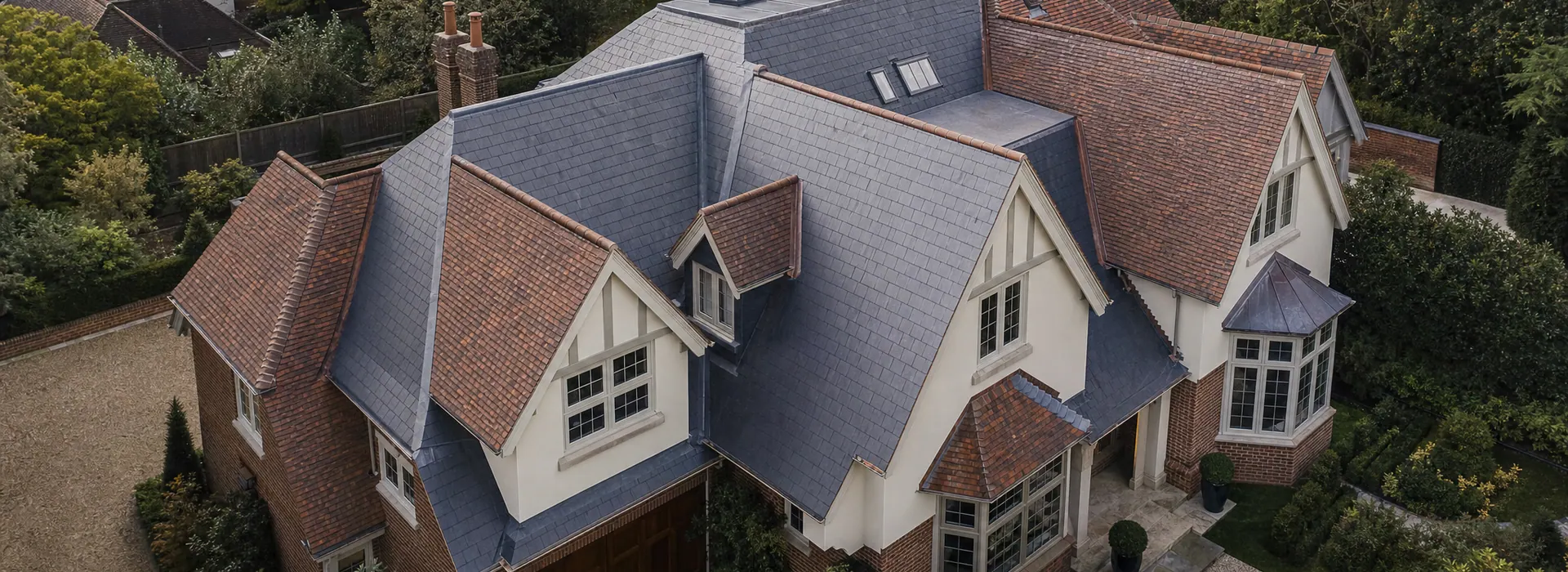
Richmond roof context
Depending on the property, a Richmond roof may include several pitched slopes, valleys, chimneys, extensions and drainage routes that need to be assessed together.
Chimneys, valleys, gutters, roof slopes, extensions, trees and older coverings can all influence whether a defect should be treated as repair, maintenance, targeted renewal or wider refurbishment.
A planned inspection helps distinguish a local repair from drainage maintenance, roof-covering deterioration, leadwork failure or a wider refurbishment need before unnecessary work is specified.
Where the property is listed, in a conservation area or part of a professionally managed project, roof works may also need to respect planning, heritage, material or design-team requirements before the final scope is fixed.
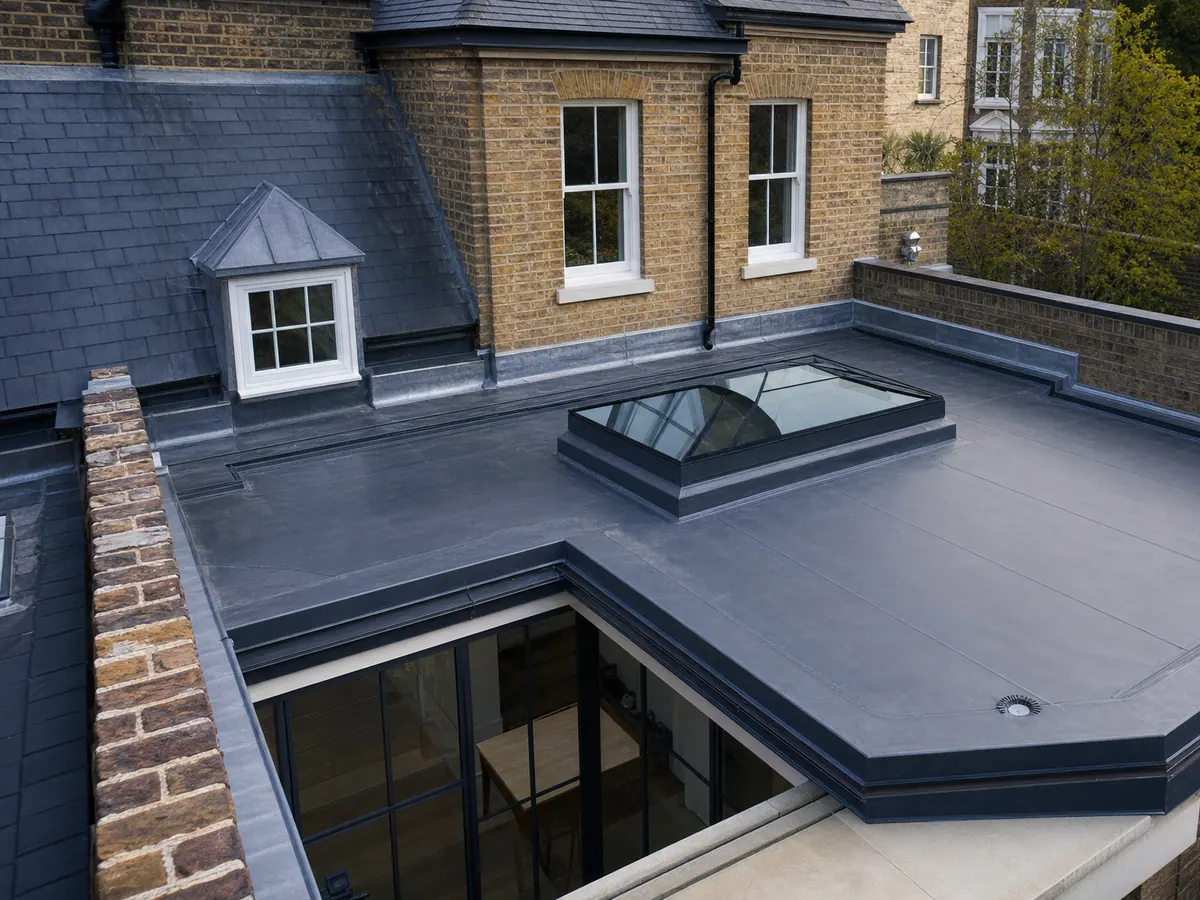
Priority roofing needs
On larger or more varied roofs, the inspection should consider overall condition, valleys, chimneys, gutters, access and maintenance history rather than treating one visible symptom in isolation.
Multiple slopes, valleys, hips, dormers and abutments can make leak tracing more complex.
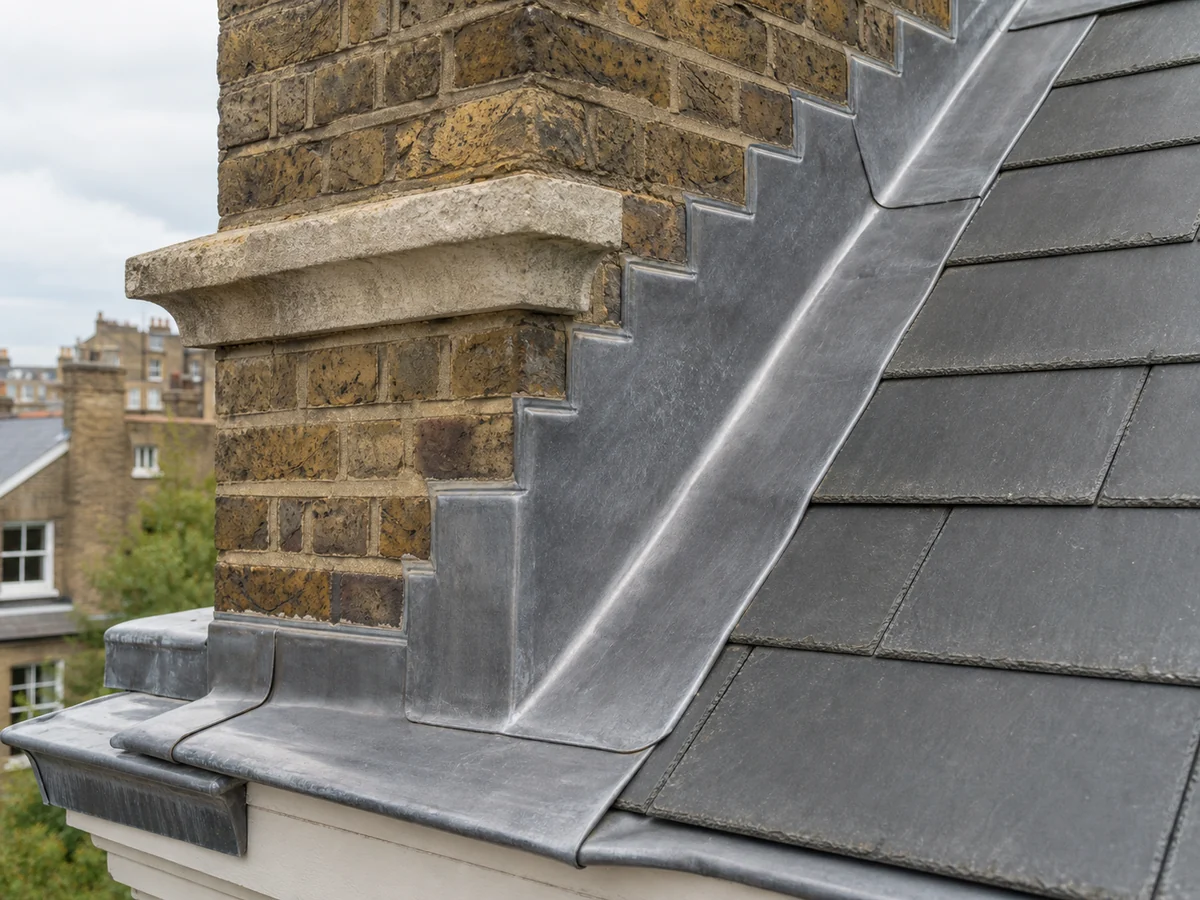
Stacks, flashings, valley linings and adjoining roof slopes should be checked together where upper-room staining appears.
Tree cover and larger roof areas can increase the importance of gutter, outlet and valley maintenance.
Older roofs may need condition review before deciding between local repair, partial renewal or broader refurbishment.
Driveways, gardens, boundaries, planting and occupied rooms can affect scaffold and material movement.
Traditional coverings may need repair, matching or renewal decisions based on condition and the wider roof build-up.
Relevant roofing services
Residential projects can involve inspections, pitched coverings, leadwork, repairs, roof replacement, planned maintenance and larger multi-pitch roof layouts.
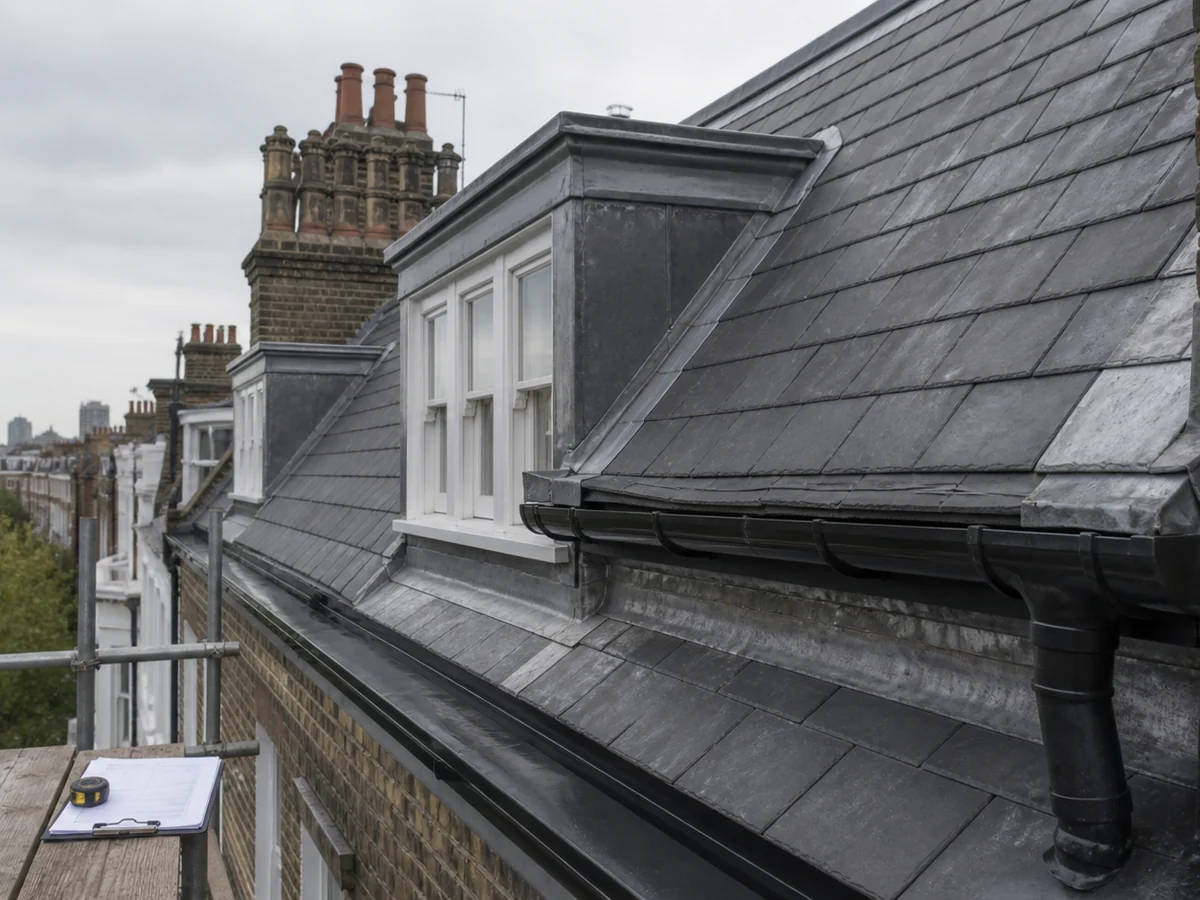
Condition review
For condition-led review of larger, older or varied roof layouts before repair or renewal is agreed.
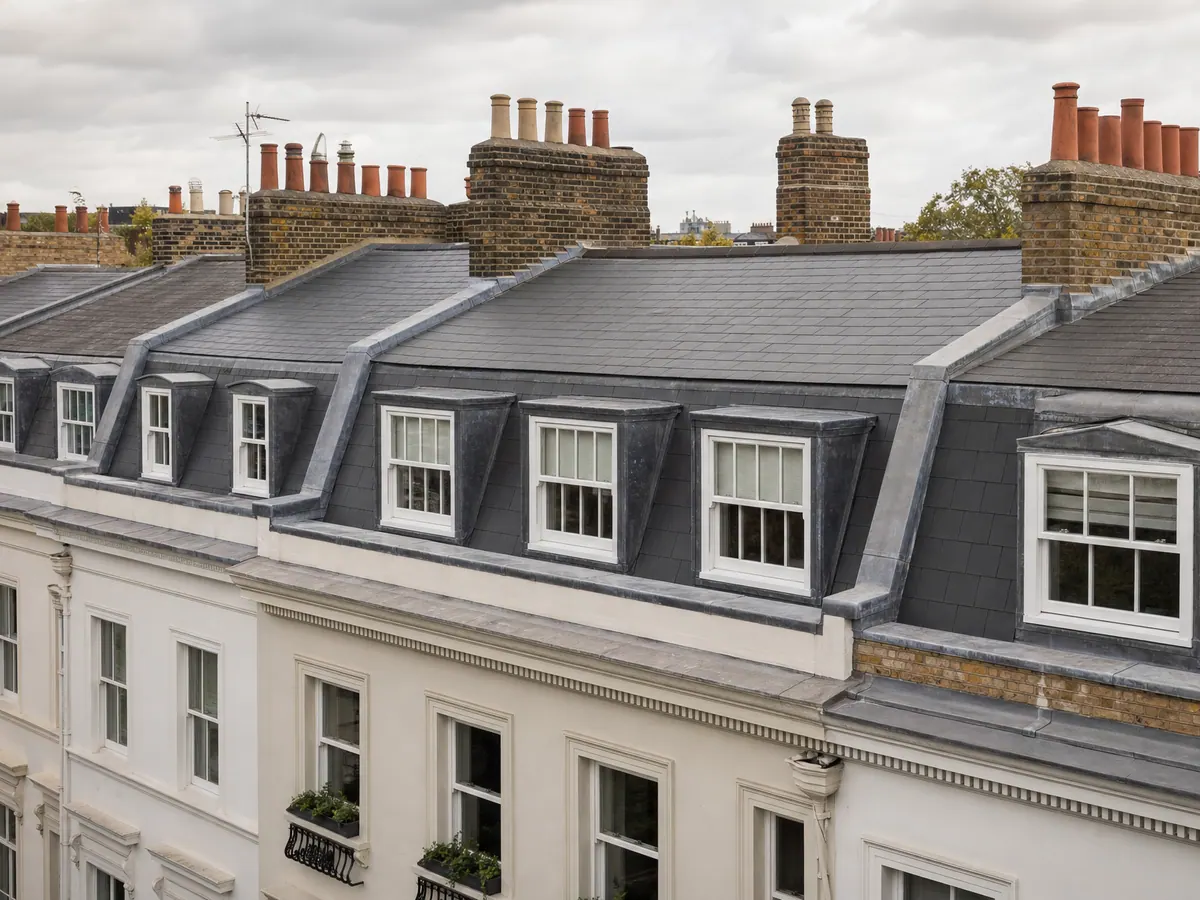
Leak diagnosis
For targeted remedial work once the likely source, inspection limits and access requirements are understood.
Traditional coverings
For traditional pitched coverings, matching, repair, retention and renewal.

Weathering details
For valleys, gutters, flashings, chimneys, abutments and other weathering junctions.

Planned renewal
For planned renewal of ageing roof areas where local repair is no longer the most coherent route.

Substantial homes
For substantial private homes where roof layout, access, protection and sequencing need careful planning.
Access and protection
Larger roof layouts and mature surroundings need a practical inspection and delivery plan.
Roof complexity
On a larger or more complex roof, multiple slopes and drainage routes can contribute to the same symptom. The review should consider how water moves across the roof before scope is fixed.

Site access
Where gardens, planting, boundaries or private driveways affect access, scaffold placement, protection and waste removal should be planned around those constraints.
Before survey
Wide roof photographs, drainage symptoms, maintenance history and access information help identify whether targeted repair or a wider condition survey is the sensible next step.
Wide photographs showing roof slopes, valleys, chimneys, extensions, dormers and flat roof areas are useful.
Mention blocked, overflowing or hard-to-maintain gutters, valleys and outlets where known.
Share whether mature planting affects gutters, roof access, scaffold routes or routine maintenance.
Driveway, garden, boundary and side access notes help plan inspection and delivery.
Previous repairs, gutter cleaning, leadwork renewal or known ageing areas help assess whether wider review is sensible.
Tell us if the property is listed, in a conservation area or already subject to professional, estate or planning guidance.
Project planning
Project planning needs to account for property scale, surrounding landscape, roof access and drainage maintenance.
Larger homes may offer options, but planting, boundaries and roof form can limit them.
Gardens, paths, planting, lawns and driveways may need protection during material movement.
Gutters, outlets and valleys should be reachable for inspection and completion checks.
Maintenance or refurbishment work should be scheduled around access, weather exposure and the vulnerability of open roof areas.
Traditional slate or clay tile roofs may need decisions about retained and replacement materials before works begin.
The proposal should separate roofing work, access assumptions, hidden conditions, drainage maintenance, making good and professional design responsibilities.
Our work
Explore completed projects showing how surveys, pitched roofs, leadwork, repairs and planned renewal are approached in practice.

Our work
Review completed projects involving roof replacement, refurbishment, terraces and repairs, with photographs and project detail that show how the scope was developed.

Roof refurbishment
For larger roof areas, planned refurbishment should coordinate access, property protection and programme sequencing before work begins.
Richmond FAQs
A documented project
This West London example is a Ministry of Justice roof-turret restoration in Ealing. It demonstrates specialist restoration work on an institutional building, with the project type and location stated in the case study.
Next Steps
Send the Richmond address, wide roof photographs, chimney or valley details, gutter symptoms, access notes and any maintenance history.